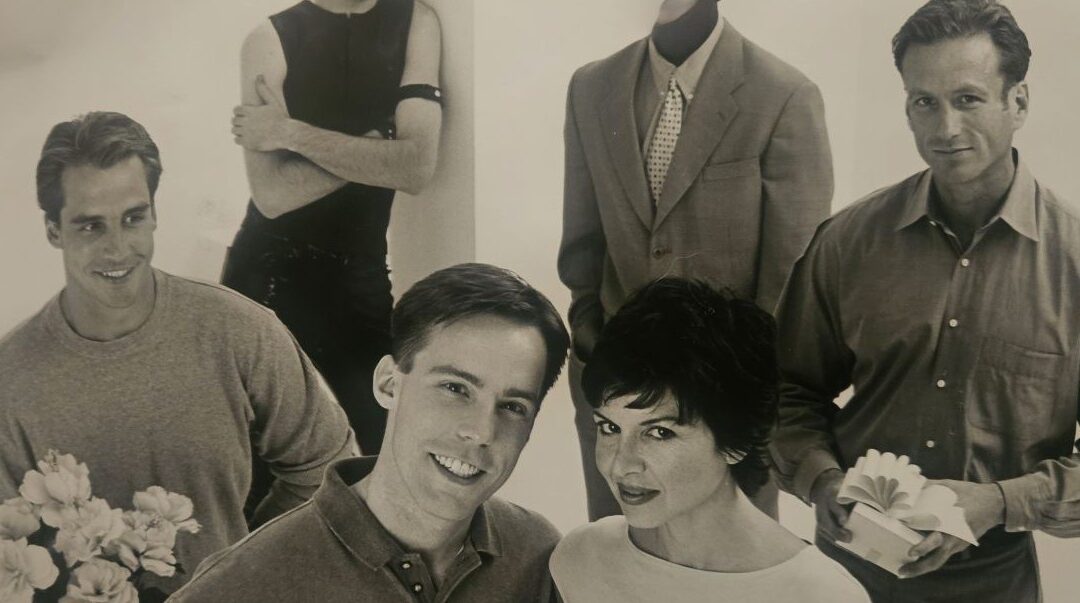
I have a problem with projects. I love creating them. Finishing them is another matter. And remembering to celebrate the ones I actually finished may be my biggest problem of all.
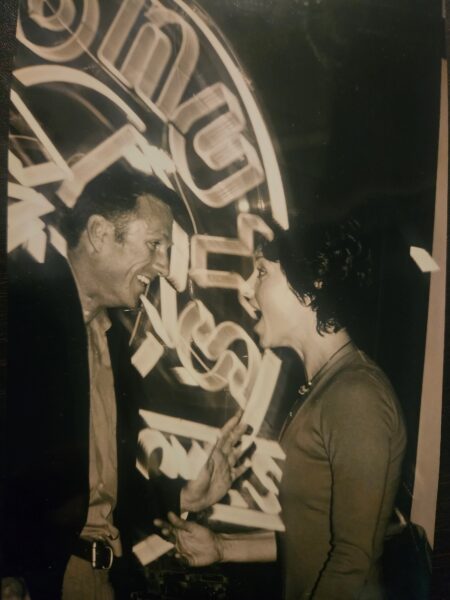
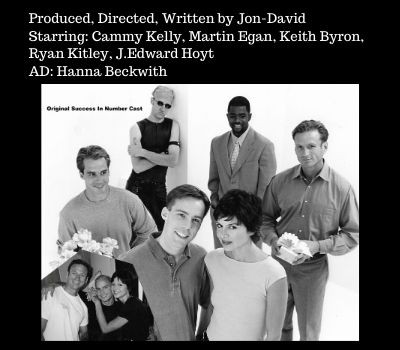
Actors Keith and Cammi
Success in Numbers: The Hit Chicago Play I Almost Forgot I Wrote
I was going through old photographs recently.
Not digital photographs.
Actual photographs.
Remember those?
Glossy pieces of paper we paid money to develop and then carefully put into albums so they could spend the next thirty years sitting on a shelf where absolutely nobody would see them.
I came across a group of photographs from one of the most exciting creative projects of my life.
A play I wrote.
Produced.
Directed.
Acted in—accidentally.
And somehow made money on.
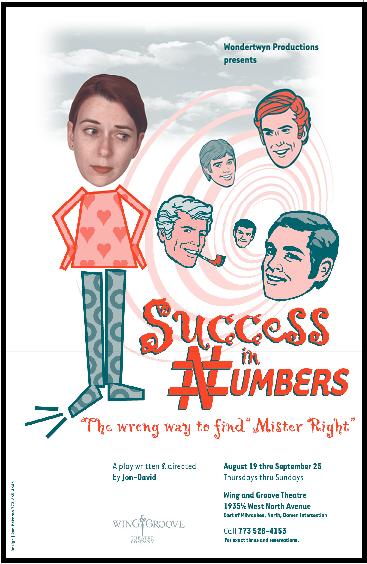
It was called Success in Numbers.
For years, these photographs have lived in an album.
I don’t want them there anymore.
So this is where they live now.
And with them, I want to preserve the story of a strange, exhausting, exhilarating little piece of theater that taught me I could do much more than I thought I could.
It Started With Bill O’Shaughnessy
My friend Bill O’Shaughnessy was part of my circle of friends in Long Beach, California.
Bill was a kind, wonderful spirit.
He worked in commercials, including work for companies like Isuzu, and he wanted to direct a movie.
He wanted that movie to take place in Chicago.
Bill also had a hand in my eventually moving there.
He’d lived in Chicago and helped steer me toward the neighborhood where he thought I should live.
Wrigleyville.
Boystown.
I took his advice.
And when Bill wanted a screenplay he might be able to direct on a realistic budget, I wrote one for him on spec.
I called it Success in Numbers.
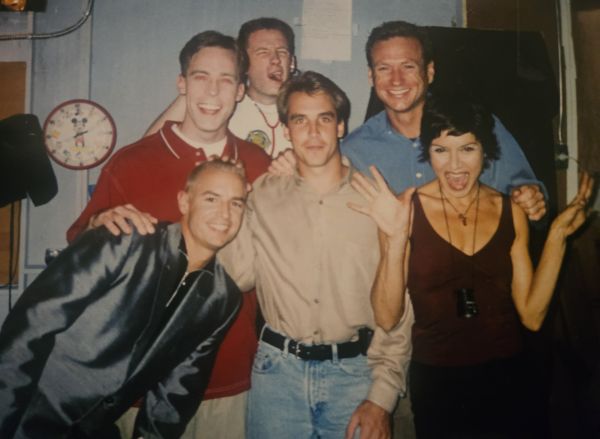
Jon-David and the cast of Success in Numbers
LISTEN: Jon-David’s outrageous serialIzed podcast of mobsters, Hollywood, hair salon life, rave culure, true crime, and unbelievable stories inspired by a life that rarely went according to plan.
Start listening to
THE MAFIA HAIRDRESSER CHRONICLES →

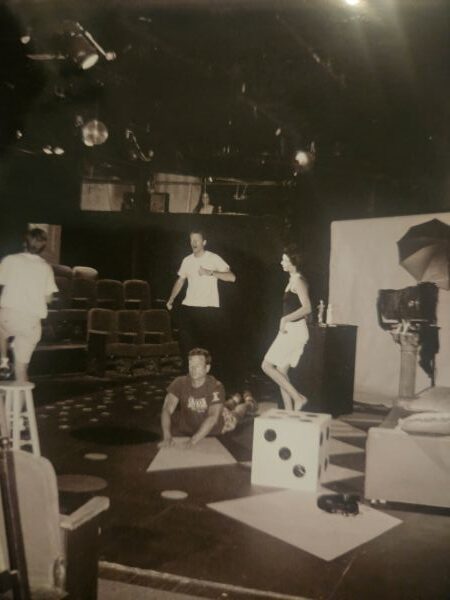
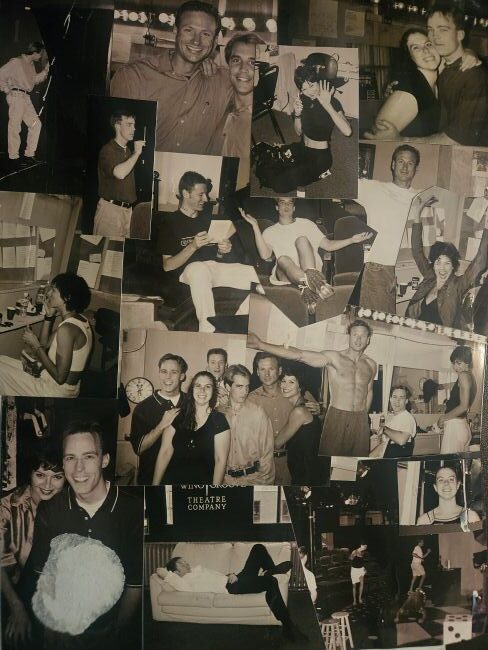
behind the scenes at Success in Numbers
I Wrote It to Be Made
This wasn’t going to be one of those screenplays where helicopters crash into the Sears Tower while 4,000 extras flee down Michigan Avenue.
We didn’t have Steven Spielberg money.
We didn’t have anybody money.
So I wrote practically.
Few main characters.
Limited locations.
Secondary characters who could appear briefly and disappear.
A story that could actually be shot.
That lesson has stayed with me as a writer:
Sometimes limitations make you more creative.
When you can’t solve every problem with money, you have to solve it with story.

THE STORIES THAT STARTED IT ALL
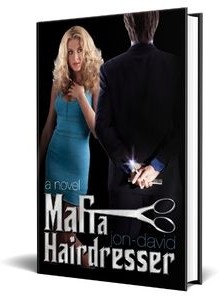
Mafia Hairdresser, & The Glow Stick Gods – two outrageous novels of mobsters, Hollywood, celebrities, cocaine, “Tina”, rave culture, and survival. Inspired by Jon-David’s unbelievable life.
Discover the Books →

Success in Numbers Was a Romantic Comedy—Until It Wasn’t
The central character was a successful commercial photographer.
This was before digital photography took over the world.
She photographed products for companies, and part of the story came from a photographer Bill knew in Chicago who was already worrying about what digital photography might eventually do to the profession.
Our heroine was successful.
Ambitious.
Focused.
And single.
She had been so busy building a career that she’d somehow forgotten to find a boyfriend.
So, being an organized professional woman, she approached dating like a project.
She would find the perfect mate.
Systematically.
What could possibly go wrong?
She went on a series of dates.
Some funny.
Some awful.
Eventually she met a man she genuinely loved.
Meanwhile, her assistant—a geeky, funny gay man—was also pushed into dating.
And, wouldn’t you know it, he fell in love with the assistant of the man his boss was dating.
The gay boys managed to get the romance right.
The straight couple?
Not so simple.
Because the man she fell in love with suffered from depression.
And he was suicidal.
Suddenly this romantic comedy had something much darker running underneath it.
Love doesn’t automatically cure mental illness.
Success doesn’t guarantee happiness.
Finding the person you love doesn’t necessarily mean you can save them.
Those ideas fascinated me.
They still do.
Looking back, I think Success in Numbers may have been a little ahead of its time.
Romantic comedies and dramas have explored those combinations much more frequently since.
But I was writing about them then.
And I wanted the audience to laugh.
Then I wanted them to feel something.
Apparently that has always been my thing.
Then Hollywood Did What Hollywood Does
Bill tried to get the screenplay greenlit as a movie.
It didn’t happen.
I know a little something about that particular form of torture.
I’ve spent years trying to get Mafia Hairdresser made.
Writing a screenplay is one thing.
Getting somebody to finance it, package it, cast it, distribute it and actually turn the damned thing into a movie is an entirely different profession.
Eventually I got tired of waiting for Success in Numbers to become a movie.
So I had another idea.
Why don’t I make it a play?
And that is how I accidentally became a theatrical producer. I had alredy been acting in plays for years. I knew the business! So, why not produce? And direct! So, I adopted my own screenplay to a stage play and TaDa!




Connect with Us on Social Media





YES. IT’S REALLY CALLED
HOW I KILLED MY MOTHER
A funny, painful, and unexpectedly hopeful memoir podcast about mothers, sons, guilt, grief, forgiveness, and the unfinished relationships we carry with us – sometimes long after the people we love are gone.
LISTEN TO HOW I KILLED MY MOTHER→

Enter Cammi Kelly
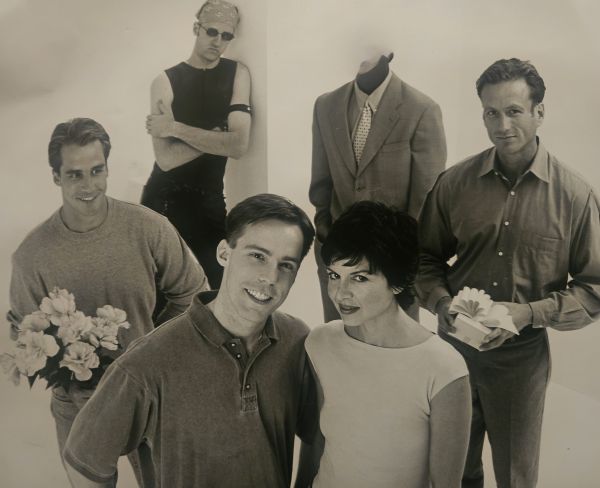
Cammi Kelly was a model I became friends with in Chicago.
I knew her through Saks Fifth Avenue, where I worked and did hair for trunk shows.
Cammi modeled exclusively for those shows.
She was beautiful.
But she wasn’t merely beautiful.
She could act.
There is a difference between somebody you enjoy looking at and somebody you cannot stop watching.
Cammi had that.
She was compelling.
She became the woman at the center of Success in Numbers. I wrote the screenplay with her in mind!
And suddenly the character I’d written wasn’t simply living on paper anymore.
She was standing in front of me.
And Then There Was Keith
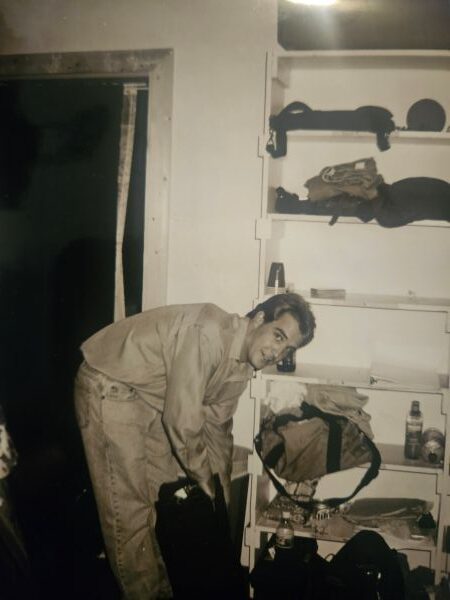
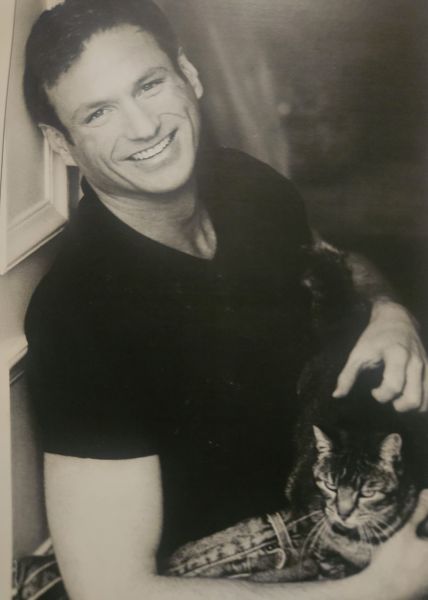
Keith Byron—his professional name—became one of my closest friends.
We met at a party.
We had both recently transplanted ourselves from Los Angeles to Chicago.
And we were both still just snotty enough about being from L.A. to recognize each other immediately.
We clicked.
Keith was tall.
Handsome.
Very handsome.
My friends and I used him as fishing bait in bars.
We’d essentially position Keith somewhere visible and wait to see what swam over.
It was a sophisticated system.
Keith was also a terrific actor.
His performance in Success in Numbers was intense, warm and heartbreaking.
And he’s still one of my best friends today.
That’s one of the things I love most when I look at these photographs.
I’m not merely looking at actors.
I’m looking at people I loved.
Marty, Ryan and Hoyt
Marty Egan was funny, goofy and wonderful.
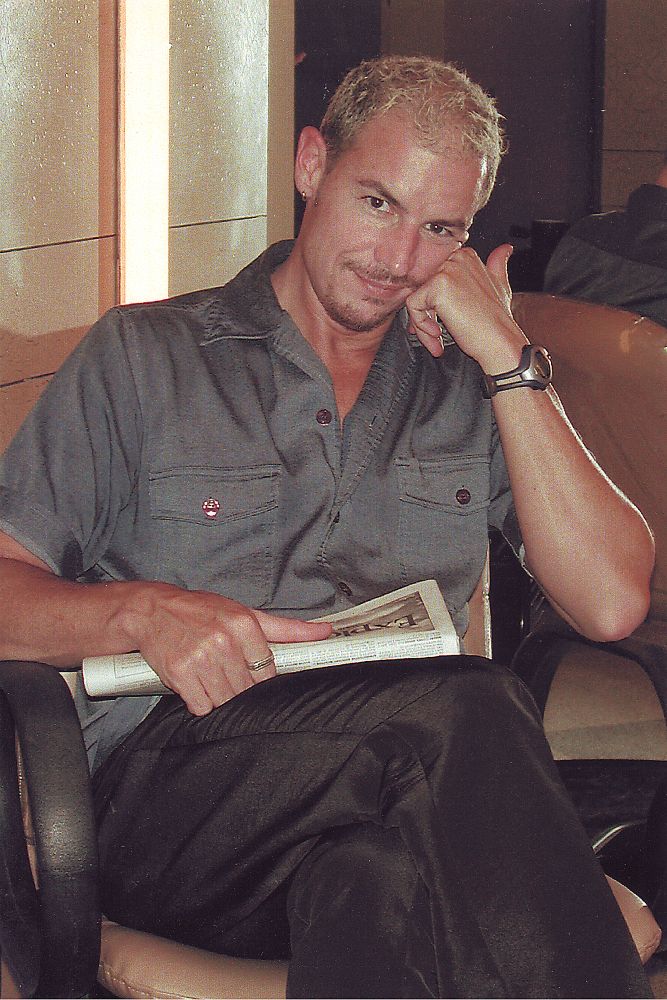
Then there was Ryan Kitley.
I am particularly proud that Success in Numbers was Ryan’s first project.
Even then, he had something. He’s now a regular on Chicago PD or Fire. One of em. And he’s won awards and more.
He also loved U2 enough to miss two rehearsals to see them.
I remember that.
Directors remember these things, Ryan.
Forever.
We also had actors playing the rotating people our main characters dated.
They would disappear, change costumes and come back as somebody entirely different.
Hoyt—as we called him by his last name—was fantastic at it.
He was funny.
Quick.
And he and Ryan could crack up the entire cast.
Those rehearsals were fun.
Not pretend fun.
Actually fun.
The kind of experience where everyone involved knows they’re making something together.
And Then I Had to Fire an Actor
Ah, show business.
One of the actors I’d hired to play several rotating roles had a minor problem.
He didn’t learn his lines.
This is generally frowned upon in theater.
Eventually I had to fire him.
Which created another minor problem.
We still needed somebody to play his parts.
Hoyt absorbed some.
And then everybody looked at the writer.
And the producer.
And the director.
Me.
No.
Absolutely not.
I had enough to do.
Naturally, I ended up in the play.
Including Drag
Yes.
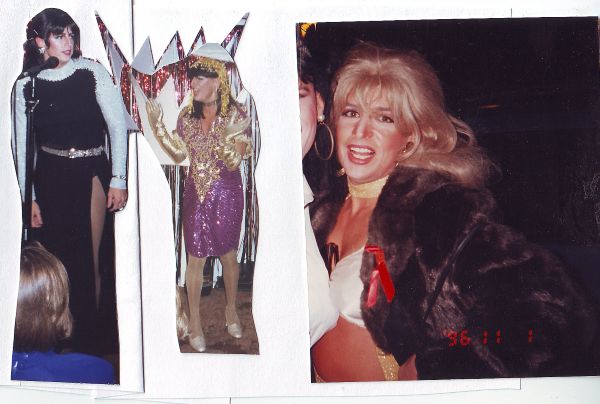
One of the roles required me to appear in drag.
This delighted the cast.
Not because they’d never seen a gay man in drag.
This was Chicago.
They were delighted because suddenly the director was onstage.
And vulnerable.
These actors knew their roles so well that I allowed them some freedom with the dialogue.
They could play.
They could adjust.
They could react.
And once I was onstage with them, they discovered they could also use this freedom to try to screw me up.
They enjoyed that immensely.
I was trying to remember my lines while simultaneously wondering:
Did I write that?
Sometimes I had not.
Bastards.
I loved them.
We All Came From Acting Studio Chicago
One reason the cast worked so beautifully together was that we shared a language.
We had trained at Acting Studio Chicago.
The approach we learned was based on Michael Shurtleff’s Audition, a book and method that had an enormous impact on how I thought about acting.
It also affected how I directed.
I didn’t want actors standing onstage reciting my precious words exactly as I’d typed them.
I wanted them to understand what their characters wanted.
I wanted relationships.
I wanted behavior.
I wanted moments.
If an actor knew the character better than I did by opening night, good.
That meant we’d done our jobs.
And I discovered something during those months that surprised me:
I was a very good director.
An actor’s director.
I knew how to talk to actors.
I knew how to help them find something rather than dictate what I wanted them to perform.
That discovery alone was worth the entire project.
The Artist’s Way Actually Worked
Around this period, I was also close with people in Chicago’s acting and casting world.
One of those relationships led me to doing The Artist’s Way, Julia Cameron’s famous creative program, with my friend, Jane Brody.
We were both trying to move something forward creatively.
And we did.
I got my first play produced.
Jane moved forward into the next chapter of her professional life.
There’s something about saying aloud what you want to create—and then doing the work—that changes things.
Not magically.
You still have to make the phone calls.
Raise the money.
Cast the actors. Through Jane Brody Casting in Chicago.
Find the theater.
Rehearse.
Promote.
Sell tickets.
Fix disasters.
And fire the actor who won’t learn his lines.
But sometimes declaring yourself an artist is the first step toward behaving like one.
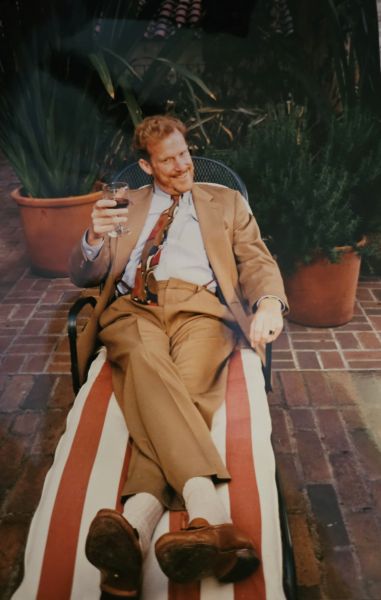
Bill O’Shaughnessy
I Was Proud
I’m still proud.
That’s actually difficult for me to write.
Not because I lack confidence.
We’ve established that I have enough confidence for several people.
But I have a peculiar habit.
I accomplish something.
Then immediately look toward the next thing I haven’t accomplished.
I wrote a play.
But I didn’t sell the movie.
I wrote a screenplay.
But Hollywood didn’t make it.
I wrote a book.
But why wasn’t it bigger?
I made a podcast.
But what should I do next?
I have spent a remarkable amount of my life measuring myself against the thing that didn’t happen instead of the thing that did.
Maybe that’s ambition.
Maybe it’s insecurity.
Maybe it’s creative attention deficit disorder.
Maybe it’s all three wearing a nice outfit.
Sad
Unfortunately, the man who paid me to write the original spec script, the same man I produced the play for (to get a greenlight) died of complications of AIDS. Bill died just before the play went up. It was one of the saddest things I have ever experienced. His loss really hit me hard because I owe him so much. He loved my original script. He inspired me to write the play. The cool thing was that Bill’s family, all from the Midwest, came to the play. And they loved it. Me and the cast and my stage manager, Hanna Beckwith, dedicated the play to Bill O’Shaughnesy.
I Get Distracted
Even this blog is evidence.
I have a pile of HIKMM blogs waiting to be uploaded.
They need photographs.
Metadata.
Internal links.
Formatting.
I have a podcast I want more people to discover.
I have books.
Websites.
Plans.
And what did I decide I absolutely had to do today?
Write about a play I produced decades ago.
Of course I did.
This is how my brain works.
A photograph leads to a memory.
The memory becomes a story.
The story becomes a project.
The project cuts in line ahead of the seven projects already waiting.
And perhaps that has cost me professionally.
Maybe if I’d focused on one screenplay instead of writing the next one, I’d have sold more screenplays.
Maybe if I’d concentrated exclusively on publishing, I’d have had more publishing success.
Maybe.
But there is another side to it.
Look at the life all those distractions created.

Best Indie Books of 2012 SEMIFINALIST thekindlebookreview.net
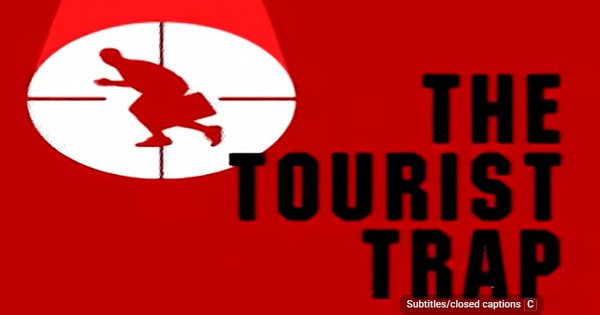
Jon-David was in the first Reality TV Show – EVER!
“The prototype of all Reality Shows as we know them today. Produced over 25 years ago, The Tourist Trap has been heralded as the world’s first Reality TV series, and a startlingly original use of television.”
Maybe Not Every Creative Project Has to Become Something Bigger
This is the realization these photographs gave me.
For years, Success in Numbers remained unfinished in my mind because it didn’t become the movie Bill and I originally imagined.
But that’s ridiculous.
It became a play.
A successful play.
Actors got paid.
Audiences came.
People laughed.
People cried.
I directed.
I produced.
I acted.
I made money.
Friendships deepened.
Actors got experience.
I discovered a skill I didn’t know I had.
What exactly was unfinished about that?
Nothing.
The project succeeded.
It just succeeded differently than I’d originally planned.
That’s a lesson I apparently needed several decades to learn.
I’ve Done the Same Thing With Mafia Hairdresser
I wanted Mafia Hairdresser to become a movie.
I still do.
I believe one day I’ll sell that screenplay.
But I stopped waiting for somebody else to give the story permission to exist.
I turned it into books.
And then I produced the movie version in my head as an audio experience through The Mafia Hairdresser Chronicles podcast.
Actors.
Scenes.
Sound.
Story.
Someone interested in producing the screenplay can hear the world.
Maybe that’s another thing Success in Numbers taught me.
If one door doesn’t open, don’t necessarily abandon the project.
Change the form.
Screenplay becomes play.
Screenplay becomes book.
Book becomes podcast.
Podcast becomes something else.
The story finds its way out.
So This Is Where Success in Numbers Lives Now
I have the play on video.
The recording isn’t very good.
One day I may clean up the sound enough to put it on YouTube.
Not today.
One day.
See?
Growth.
I’m not starting another project this afternoon.
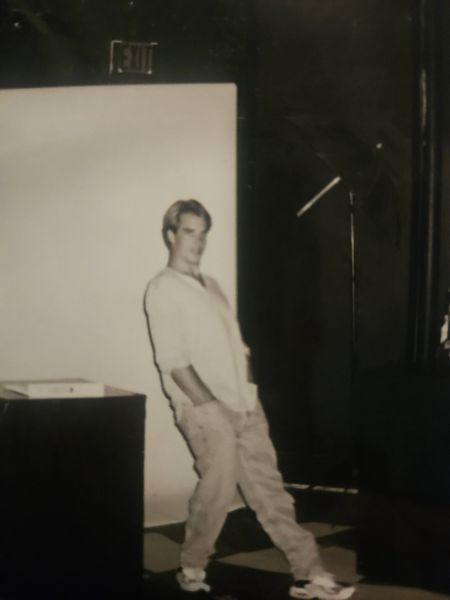
But the photographs?
They’re coming out of the album.
I’m putting them here.
Cammi.
Keith.
Marty.
Ryan.
Hoyt.
The cast.
The rehearsals.
The costumes.
The laughter.
The exhaustion.
The audience.
The ridiculous director appearing in his own play in drag because somebody didn’t learn his lines.
This is where that little piece of my creative life gets to live now.
Not hidden in a photo album.
Not filed under:
Things That Almost Happened.
Because Success in Numbers did happen.
And it was wonderful.
Maybe Success Isn’t Always the Thing We Planned
I’ve spent a lot of my life looking at success as a destination.
Sell the screenplay.
Publish the book.
Make the movie.
Get the part.
Have the hit.
Reach the number.
Get in the first reality tv show – EVER!
But what if success sometimes looks like six weeks in a little theater with people you love?
What if success is watching an actor make a line you wrote better than you imagined it?
What if success is standing in the back of a theater and hearing strangers laugh?
Then go silent.
Then cry.
What if success is discovering you’re good at something you never knew you could do?
What if success is looking at photographs decades later and realizing:
Oh, my God. We really did that.
Maybe I’ve spent too much time thinking about the projects that didn’t become what I wanted them to become.
And not enough time honoring what they actually became.
So this one’s for Bill.
For Cammi.
For Keith.
For Marty.
For Ryan.
For Hoyt.
For everybody who helped put the damned thing onstage.
And for the younger Jon-David who spent nine months exhausted, exhilarated, probably impossible to live with—and somehow pulled it off.
I’m proud of you.
There.
I said it.
Not every dream that changes shape is a failed dream. Sometimes the new shape is the success.
— Jon-David

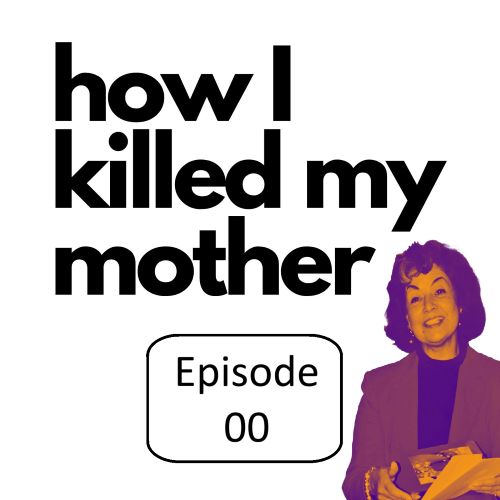
Why This Story Belongs on How I Killed My Mother
How I Killed My Mother began as a memoir about my relationship with my mother.
It became something larger.
Writing it made me revisit the people, relationships, ambitions, successes, failures and unfinished stories that made me who I am.
Success in Numbers is one of those stories.
The podcast is about family, forgiveness, identity, creativity, grief, humor, spirituality—and finally understanding the life you’ve already lived while you’re still lucky enough to be living it.
Listen to How I Killed My Mother and join my mailing list at HowIKilledMyMother.com for the podcast, new stories, bonus material and updates about the upcoming memoir.
Listen to How I Killed My Mother
How I Killed My Mother is a memoir podcast about mothers and sons, depression and hope, family and forgiveness, caregiving, spirituality, humor, death, and the uncomfortable business of discovering who we really are.
The podcast also became the foundation for my upcoming memoir, How I Killed My Mother.
This isn’t a story about having all the answers.
It’s about what happened when I finally started asking myself the questions.
If you’re standing at the bottom of something right now, I can’t tell you how long your climb will be.
I can only tell you that I’ve stood at the bottom, too.
Climb with me.
— Jon-David
0 Comments