
Forgiving my mother turned out to be easier than forgiving the younger version of myself who fought with her. I didn’t discover that until she was gone.
Why Forgiving Yourself Can Be Harder Than Forgiving Others
I spent a substantial portion of my younger life blaming my mother.
Then I spent another portion forgiving her.
I thought that was the end of the story.
It wasn’t.
There was still one asshole left.
Me.
That’s one of the less convenient discoveries I’ve made while writing How I Killed My Mother.
I Had an Excellent Case Against My Mother
If you’ve been following these stories, you already know the prosecution’s evidence.
My mother and I had some terrible years.
She discovered I was gay and handled it badly.
Very badly.
There was a psychologist.
There were threats.
There was Chuck.
There was my lying.
There was getting kicked out.
There were years of passive-aggressive comments and arguments.
My mother knew exactly where my emotional buttons were located because, presumably, she had installed them.
And for years, I kept track.
That’s what resentment does.
It turns you into an accountant.
You remember the comment from Christmas.
The fight in the car.
The thing somebody said in 1982.
The apology you didn’t receive.
The birthday they ruined.
The sentence you wish you’d said back.
You keep the books.
And strangely, the person you’re angry with may have stopped thinking about the incident twenty years ago.
But your accounting department remains fully staffed.
LISTEN: Jon-David’s outrageous serialIzed podcast of mobsters, Hollywood, hair salon life, rave culure, true crime, and unbelievable stories inspired by a life that rarely went according to plan.
Start listening to
THE MAFIA HAIRDRESSER CHRONICLES →

Then I Stopped Keeping Score
Eventually, I learned something that changed my relationship with Mom.
I stopped waiting for her to become the mother I wanted before I became the son I wanted to be.
I changed my behavior.
I started hugging her.
Calling her.
Taking her places.
Telling her when something she said hurt my feelings instead of putting it into emotional storage for later use.
And our relationship changed.
Mom changed too.
Eventually she apologized for things I’d once thought I desperately needed her to apologize for.
And by the time she did?
I had already forgiven her.
The old crimes had lost their emotional weight.
My memoir describes that strange moment: when Mom finally apologized, the things she was apologizing for had become so weightless to me that I nearly laughed—not at her, but because I no longer needed the apology I’d once wanted so badly.
Case closed.
Or so I thought.
THE STORIES THAT STARTED IT ALL
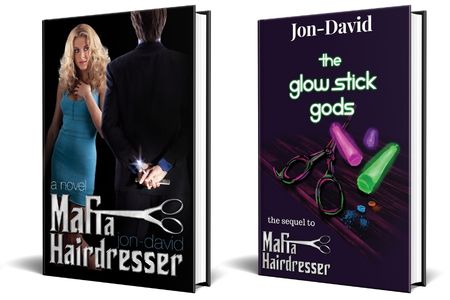
Mafia Hairdresser, & The Glow Stick Gods – two outrageous novels of mobsters, Hollywood, celebrities, cocaine, “Tina”, rave culture, and survival. Inspired by Jon-David’s unbelievable life.
Discover the Books →

Then I Wrote a Memoir
Writing about your life is a terrible idea if you would like to preserve your preferred version of yourself.
Memory is much more accommodating.
Memory lets you edit.
It lets you say:
Well, she started it.
I was young.
You have to understand what I was going through.
That’s not exactly how I remember it.
Writing makes you sit there.
Especially memoir.
Because eventually the question stops being:
What did she do to me?
And becomes:
What did I do?
Oh.
That.

My Mother Wasn’t Fighting With Herself
This seems ridiculously obvious now.
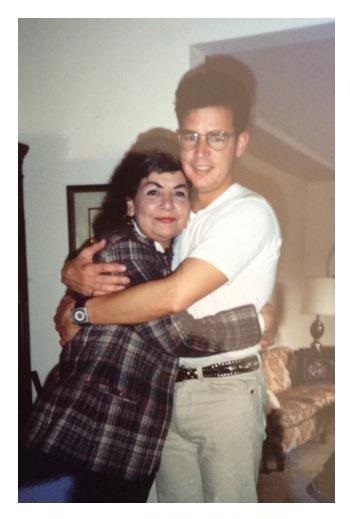
Those eight terrible years between my mother and me required two participants.
Marie was one.
Jon-David was the other.
I lied.
I manipulated.
I punished.
I withheld.
I deliberately pushed buttons.
I used my success as revenge.
I sometimes wanted my mother to feel bad.
I wanted to prove her wrong.
And there were times when being right mattered more to me than being close to her.
Some of those behaviors made sense for a hurt young man.
Understanding them doesn’t make them disappear.
That’s an important distinction.




Connect with Us on Social Media





YES. IT’S REALLY CALLED
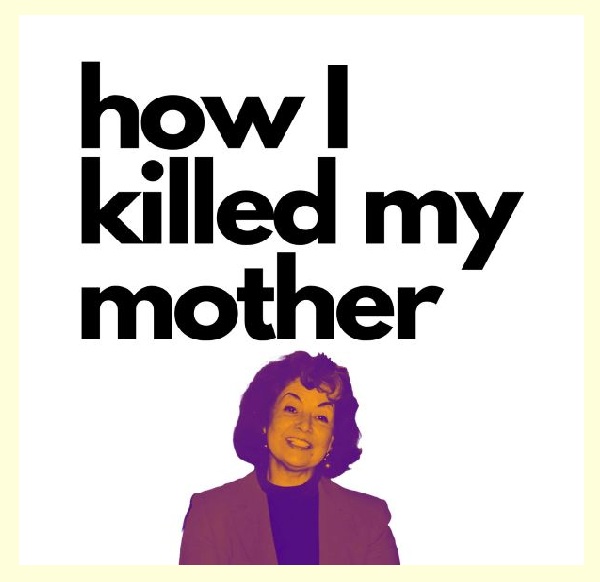
HOW I KILLED MY MOTHER
A funny, painful, and unexpectedly hopeful memoir podcast about mothers, sons, guilt, grief, forgiveness, and the unfinished relationships we carry with us – sometimes long after the people we love are gone.
LISTEN TO HOW I KILLED MY MOTHER→

I Was Young Is an Explanation. It Isn’t an Eraser.
I’ve become much kinder toward my younger self.
He was figuring things out.
He was gay at a time when that was much more complicated than it is today.
He was ambitious.
Scared.
Angry.
In love.
Sometimes heartbroken.
Sometimes spectacularly full of himself.
He was trying to build a life without having the emotional vocabulary I have now.
Of course he made mistakes.
But here’s where self-forgiveness gets difficult.
If you excuse everything you did because you were young, you haven’t really forgiven yourself.
You’ve acquitted yourself.
I don’t think that’s the same thing.
Forgiveness requires acknowledging:
Yes. I did that.
Yes. It hurt someone.
Yes. I wish I had behaved differently.
And then somehow resisting the urge to punish yourself forever.
I Keep Wanting to Go Back and Fix Him
This is one of the hazards of getting older.
You become extremely qualified to advise a person who no longer exists.
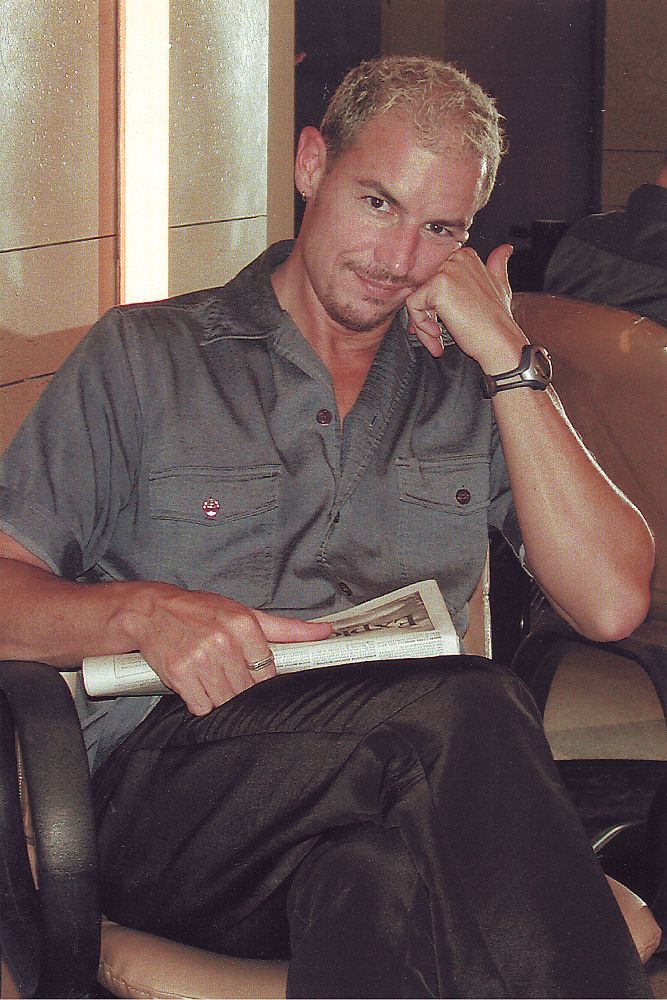
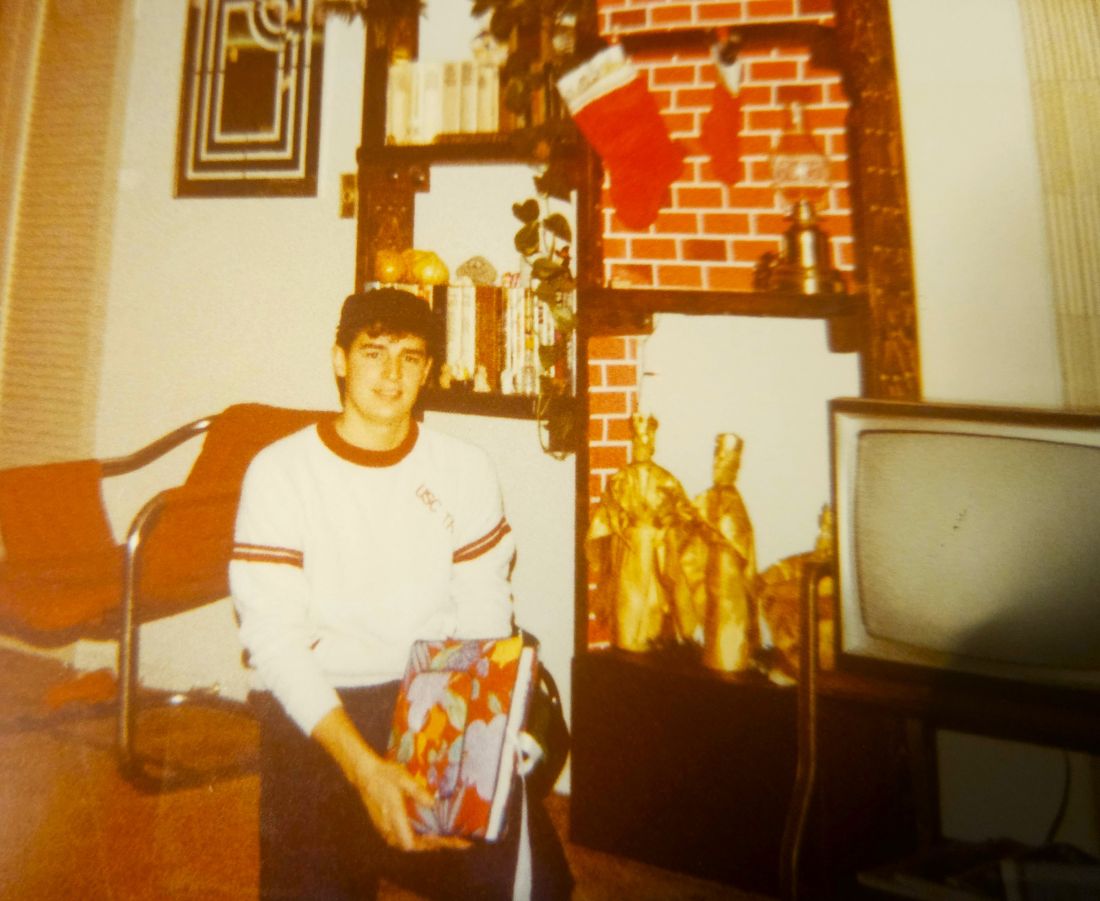
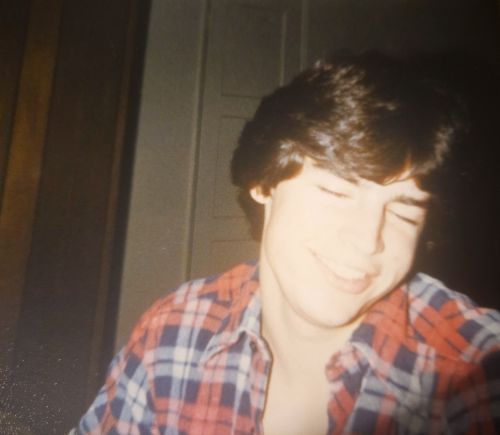
I know exactly what twenty-year-old Jon-David should have done.
I know what he should have said to Chuck.
I know what he should have said to his mother.
I know when he should have shut up.
Especially when he should have shut up.
I could fix that kid beautifully.
Unfortunately, he’s unavailable.
He’s already lived his life.
And every stupid, selfish, loving, ambitious, frightened thing he did eventually led to me.
Regret Has an Ego
I’ve begun to think regret contains a peculiar form of arrogance.
When I obsess over how differently I should have behaved forty years ago, I’m assuming I could have possessed wisdom I hadn’t acquired yet.
How?
Where would I have gotten it?
Amazon hadn’t even been invented.
We learn many of the things we know precisely because we first did them badly.
I learned how damaging resentment could be because I resented.
I learned how to communicate because I communicated badly.
I learned forgiveness because I had someone to forgive.
I learned how much I loved my mother partly because I knew what it felt like not to like her very much.
That’s uncomfortable.
But it’s true.
Would I Change Those Eight Years?
Yes.
And no.
If you offered me a magical button that would allow my mother and me to skip those terrible years, I would want to push it.
But then what disappears with them?
Do I still become the same man?
Does she become the same woman?
Do we ever consciously choose one another as adults?
Do I understand forgiveness?
Do I write How I Killed My Mother?
Do I understand what I’m telling you now?
I don’t know.
That’s the problem with rewriting your past.
You don’t get to change one scene.
You change the whole script.
Maybe Forgiveness Isn’t Declaring Someone Innocent
That includes yourself.
My mother wasn’t innocent.
Neither was I.
That’s what I’ve finally come to understand.
Forgiveness isn’t a verdict.
It doesn’t mean:
Nothing bad happened.
It means:
Something bad happened, and I’m no longer going to build the rest of my life around it.
I managed to give that gift to my mother years ago.
It has taken me much longer to give it to myself.
The Last Person I Had to Stop Punishing
When I started How I Killed My Mother, I thought I was writing about my mother.
Then I thought I was writing about our relationship.
Then I thought I was writing about forgiveness.
Now I wonder whether the final person this entire story was asking me to forgive was the person telling it.
Me.
The lying kid.
The angry son.
The boyfriend who got things wrong.
The ambitious young hairdresser.
The man who sometimes confused success with revenge.
The son who loved his mother even during periods when he didn’t particularly like her.
I can’t go back and make him better.
I can understand him.
I can take responsibility for him.
I can learn from him.
And finally, I can stop prosecuting him.
My mother and I forgave each other a long time ago.
It took me writing a book about killing her to realize:
I needed to stop killing myself over it too.
Listen to How I Killed My Mother
How I Killed My Mother is a memoir podcast about mothers and sons, depression and hope, family and forgiveness, caregiving, spirituality, humor, death, and the uncomfortable business of discovering who we really are.
The podcast also became the foundation for my upcoming memoir, How I Killed My Mother.
This isn’t a story about having all the answers.
It’s about what happened when I finally started asking myself the questions.
If you’re standing at the bottom of something right now, I can’t tell you how long your climb will be.
I can only tell you that I’ve stood at the bottom, too.
Climb with me.
— Jon-David
0 Comments