
My mother spent her life saying three things she never wanted to happen to her. I’ve spent years wondering whether the words we repeat eventually become instructions.
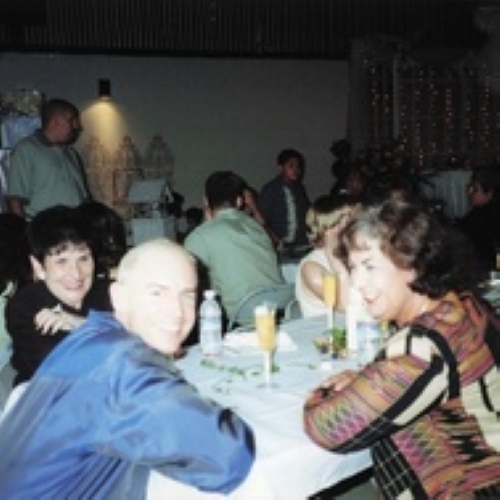
How the Words You Repeat Shape Your Life | Jon-David
My mother had a few things she said over and over throughout her life.
Not occasionally.
Not once at Thanksgiving after too much wine.
Over and over.
One was:
“I never want to get old.”
Another:
“I never want to be in pain.”
And there was a third, very specific one.
After watching her sister live with a colostomy bag, Mom made it abundantly clear that she never wanted one herself.
Marie was not subtle.
Neither am I.
This may be genetic.
For years, those statements seemed like ordinary declarations.
Vanity.
Fear.
Preference.
Mom didn’t like the idea of aging.
She didn’t like the idea of suffering.
And she absolutely didn’t like the idea of losing control over her body.
Who does?
But after she died, those words began sounding different to me.
They sounded less like complaints.
And more like prayers.
I Believe Repetition Matters
I’m going to wander into Jon-David metaphysics here.
You have been warned.
I believe there is enormous power in what we repeatedly tell ourselves.
You may call it prayer.
Manifestation.
Programming your subconscious.
Talking to God.
Talking to the Universe.
Talking to yourself.
I don’t particularly care which spiritual filing cabinet you put it in.
I think repetition matters.
What we say becomes what we expect.
What we expect influences what we notice.
What we notice affects the decisions we make.
And those decisions have a funny habit of becoming our lives.
That doesn’t mean I believe you can stand in your kitchen chanting:
“I am a billionaire.”
and Jeff Bezos will arrive on Tuesday with paperwork.
If it worked that way, I would be dictating this from my yacht.
But I do think the language we use about ourselves matters far more than we realize.
LISTEN: Jon-David’s outrageous serialIzed podcast of mobsters, Hollywood, hair salon life, rave culure, true crime, and unbelievable stories inspired by a life that rarely went according to plan.
Start listening to
THE MAFIA HAIRDRESSER CHRONICLES →

The Brain May Not Appreciate the Word “Never”
Here’s something I’ve changed in my own thinking.
My mother said:
“I never want to get old.”
I would phrase that differently today.
I’d say:
“I will always feel young.”
Same general intention.
Completely different picture.
Because when you say:
I never want to get old…
what do you see?
Old.
Wrinkled.
Weak.
Bent over.
Finished.
You have to picture the thing you’re supposedly trying not to picture.
But:
I will always feel young.
Now the image changes.
Energy.
Curiosity.
Movement.
Possibility.
Future.
Maybe that’s silly.
Maybe it’s profound.
I don’t know.
I just know which movie I’d rather run in my head.

THE STORIES THAT STARTED IT ALL
Mafia Hairdresser, & The Glow Stick Gods – two outrageous novels of mobsters, Hollywood, celebrities, cocaine, “Tina”, rave culture, and survival. Inspired by Jon-David’s unbelievable life.
Discover the Books →

My Mother Believed in Mind Over Matter
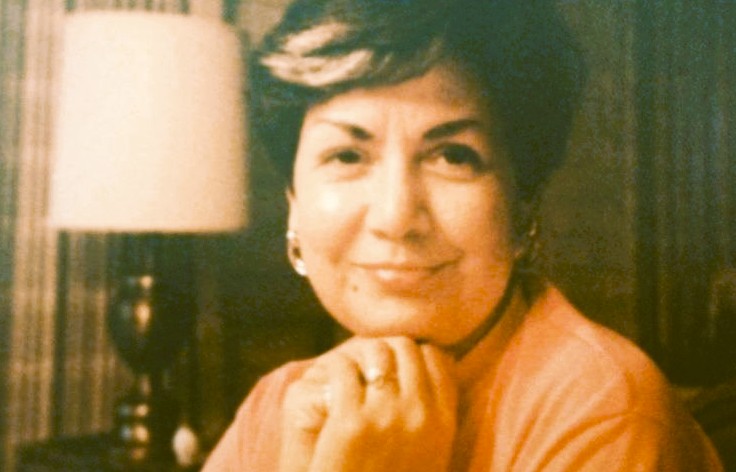
Mom was very serious about staying young.
She also somehow managed to look young for most of her life.
She was attractive.
Feisty.
Funny.
Alive.
She believed the body listened to the mind.
And because I was her son, naturally I absorbed some of that.
As I told you in another essay, I took this philosophy so seriously that I managed to become eleven years younger on my driver’s license.
Marie believed in positive thinking.
Jon-David apparently believed in documentation.
We each had our methods.
And No, I’m Not Magically Ageless
Before anyone decides that I’m about to sell a $79.99 anti-aging manifestation course:
I am not.
I also have a cosmetic confession.
Years ago, I had extensive facial acupuncture treatments.
They made an enormous difference in my face.
I looked noticeably refreshed and younger afterward, and I think those treatments gave me a kind of reset point from which I continued aging.
So when people tell me I look younger than they expect, I’m perfectly willing to give some credit to needles.
Lots of needles.
I believe in metaphysics.
I also believe in good lighting, hair color and professional assistance.
I’m a hairdresser.
We are practical mystics.




Connect with Us on Social Media





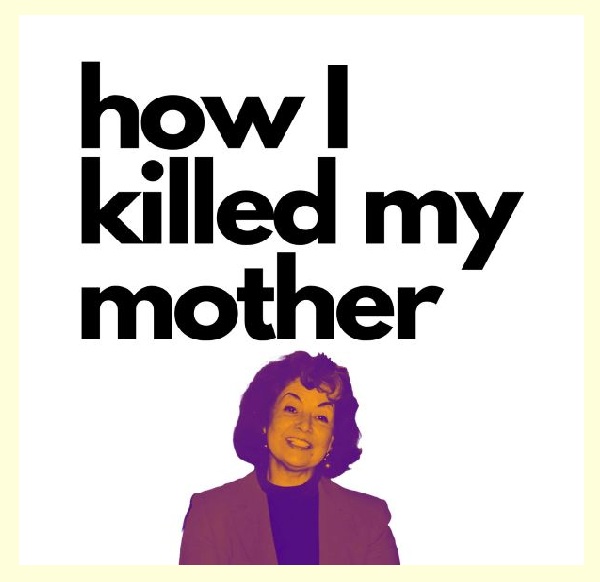
YES. IT’S REALLY CALLED
HOW I KILLED MY MOTHER
A funny, painful, and unexpectedly hopeful memoir podcast about mothers, sons, guilt, grief, forgiveness, and the unfinished relationships we carry with us – sometimes long after the people we love are gone.
LISTEN TO HOW I KILLED MY MOTHER→
Aging and Becoming Old Are Not the Same Thing
This is where I think Mom may have been onto something.
Everyone ages.
That’s biology.
I don’t believe thinking young stops your cells from aging.
But becoming old?
That’s a little different.
I’ve known forty-year-olds who seemed ancient.
I’ve known people in their eighties who were still planning things.
Still flirting.
Still learning.
Still curious.
Still annoyed that they didn’t have enough hours in the day.
Those people didn’t deny aging.
They denied the idea that age got to decide who they were.
That’s an idea I can get behind.
The Words We Repeat Become Identity
Think about the things people say about themselves all the time.
“I’m terrible with money.”
“I always pick the wrong men.”
“I’m not creative.”
“I’m too old to do that.”
“I’m terrible with technology.”
“Nobody in our family lives past seventy.”
“I could never start over.”
“I’m just not lucky.”
Say something often enough and eventually it stops sounding like an opinion.
It becomes biography.
That’s just who I am.
And once something becomes identity, we stop challenging it.
That’s the part that interests me.
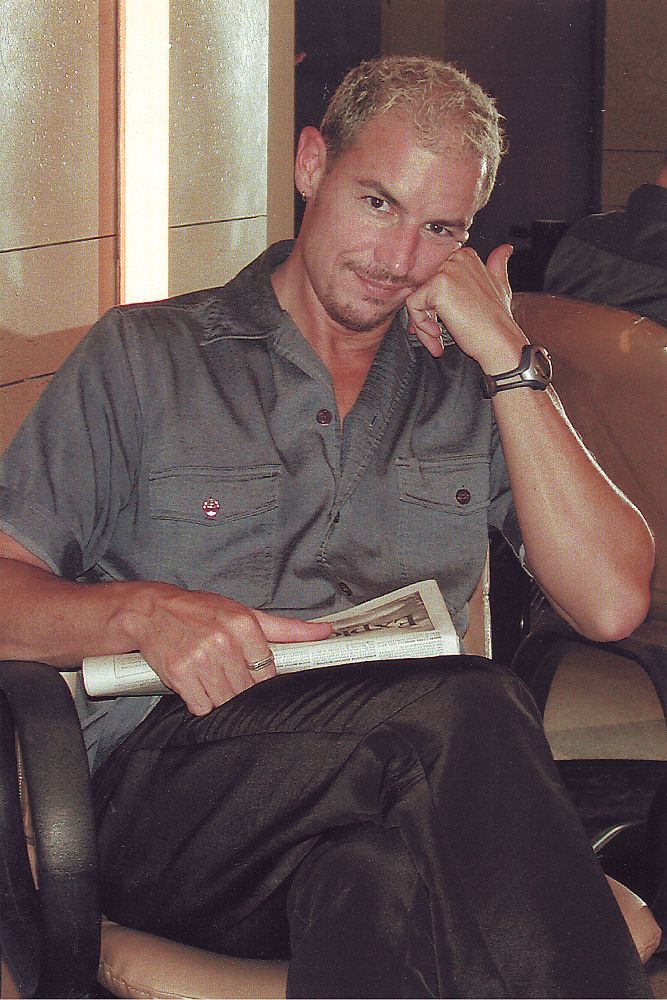
Because I have reinvented myself too many times to believe identity is fixed.
I’ve Been Several People Already
I’ve been a young Southern California hairdresser.
A salon owner.
A writer.
An actor.
A speaker.
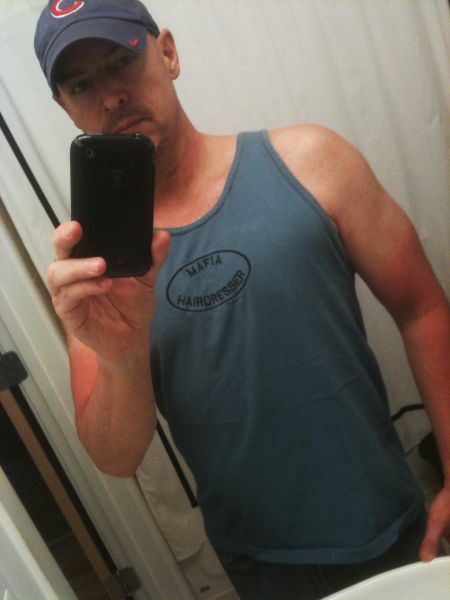
Mafia Hairdresser.
An early social-media personality.
A Chicagoan.
A Floridian.
A North Carolinian.
A caregiver.
A son without a mother.
And now I’m somehow the man writing How I Killed My Mother.
I’ve changed names.
Cities.
Careers.
Relationships.
Ambitions.
Hair.
God knows I’ve changed hair.
The one thing I’ve never been particularly good at saying is:
“This is just how my life is going to be.”
Because my life has proven me wrong too many times.
Maybe That’s What Manifestation Really Is
I’m suspicious of the modern version of manifestation where you paste a photograph of a mansion onto a vision board and wait for escrow.
That’s not what I’m talking about.
I’m talking about something quieter.
You tell yourself:
I am still becoming.
Then opportunities look different.
You tell yourself:
My best work may still be ahead of me.
Then you keep making things.
You tell yourself:
I can learn this.
Then you sit down and learn it.
You tell yourself:
I can survive this.
Then, when something terrible happens, you begin looking for the way through instead of assuming there isn’t one.
Perhaps the Universe is responding.
Perhaps God is listening.
Perhaps your subconscious simply starts looking for evidence supporting what you repeatedly tell it.
I’m comfortable not knowing exactly which one it is.
Mom’s Three Sentences Sound Different to Me Now
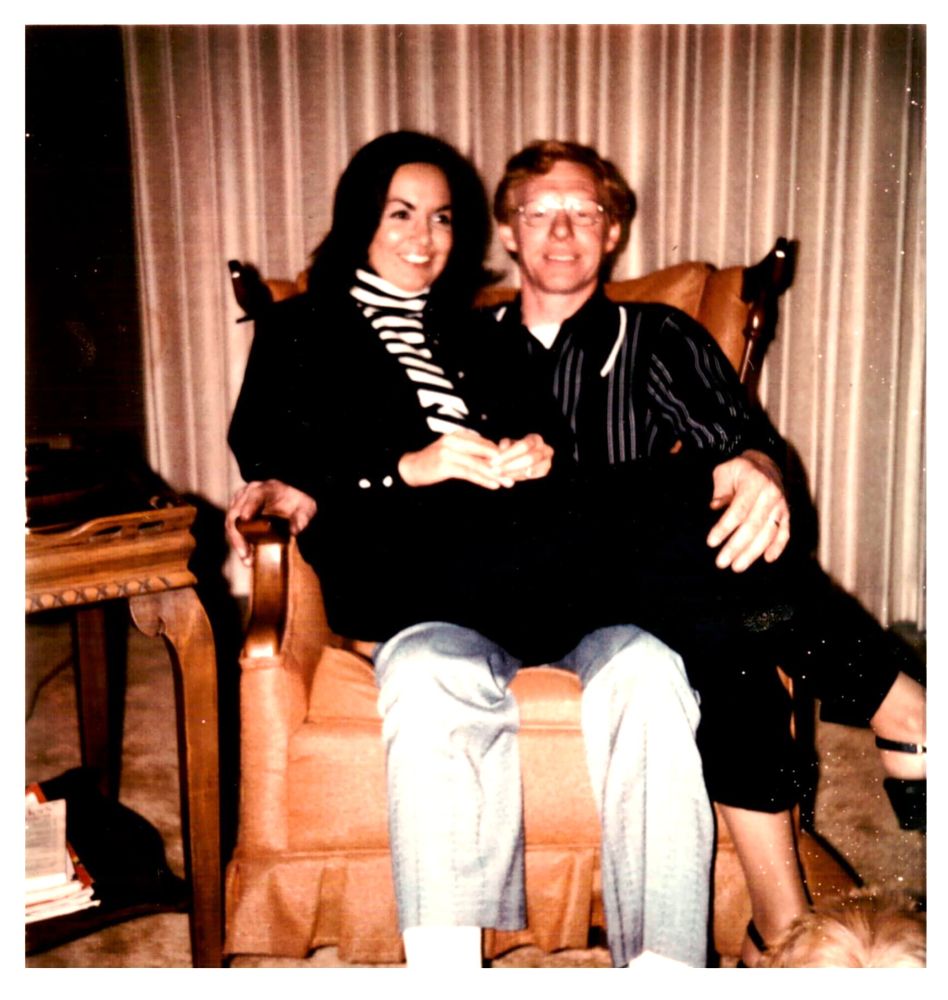
After everything that happened near the end of my mother’s life, I’ve thought about those declarations many times.
I never want to grow old.
I never want pain.
I never want that particular loss of bodily independence.
The chapter of How I Killed My Mother from which this story comes explicitly records how deeply those statements had become part of Mom’s worldview.
I won’t tell you here what happened next.
That’s part of the story I deliberately reserve for the podcast and the book.
But I will tell you this:
Her words stayed with me.
And they made me pay much closer attention to my own.

I’ve Changed the Way I Talk About My Future
I don’t say:
I don’t want to become an old man.
Because my brain immediately pictures an old man.
Instead:
I intend to remain curious.
I intend to remain creative.
I intend to keep working.
I intend to keep laughing.
I intend to keep learning things that annoy me because I don’t understand them yet.
I intend to keep having something I’m excited about tomorrow.
Those are instructions I don’t mind sending into the Universe.
Or God’s ears.
Or my own subconscious.
Wherever they land.
Be Careful What You Practice Believing
That’s really the point.
A sentence said once doesn’t determine your life.
But a sentence repeated for twenty years?
That becomes familiar.
Familiar becomes comfortable.
Comfortable becomes expectation.
Expectation can become identity.
And identity has tremendous influence over what we do next.
So I’m trying to become more careful about the things I repeat.
Not because I believe I’m a magician.
Because I’ve lived long enough to know that words have consequences.
Especially the words we say to ourselves when nobody else is listening.
My mother taught me that.
Although, knowing Marie, she would probably correct my wording.
She didn’t want to get old.
I prefer:
I plan to stay young for as long as I’m here.
The government is welcome to calculate the rest.

Listen to How I Killed My Mother
How I Killed My Mother is a memoir podcast about mothers and sons, depression and hope, family and forgiveness, caregiving, spirituality, humor, death, and the uncomfortable business of discovering who we really are.
The podcast also became the foundation for my upcoming memoir, How I Killed My Mother.
This isn’t a story about having all the answers.
It’s about what happened when I finally started asking myself the questions.
If you’re standing at the bottom of something right now, I can’t tell you how long your climb will be.
I can only tell you that I’ve stood at the bottom, too.
Climb with me.
— Jon-David
0 Comments