
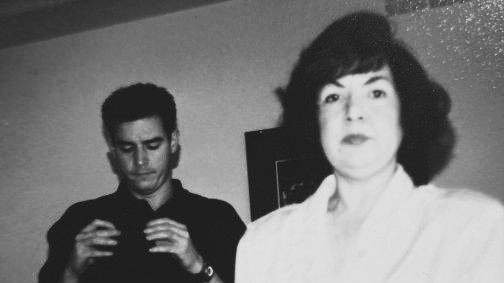
When I was six years old, I made my mother a construction-paper Mother’s Day card. Decades later, after she died, I found it. Apparently neither of us knew what I was really giving her.
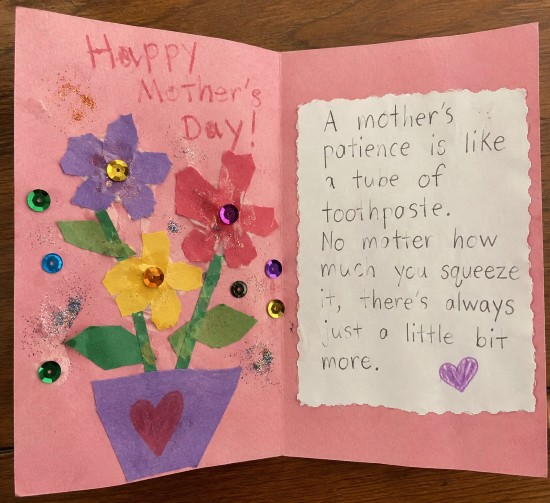
Mother’s Day Card
Why Ordinary Things Become Precious After Someone Dies
My first-grade teacher was named Mrs. Shakespeare.
Yes.
Mrs. Shakespeare.
If you’re going to accidentally begin a lifelong writing career at six years old, apparently the universe enjoys foreshadowing.
For Mother’s Day, Mrs. Shakespeare gave our class several sayings from which we could choose to make cards for our mothers.
There were the usual sentimental options.
Things about Mom’s house always being home.
Things about always needing your mother.
Things about mothers knowing best.
I rejected all of them.
Even at six, apparently I had editorial standards.
Then I found mine:
“A mother’s patience is like a tube of toothpaste. No matter how much you squeeze it, there’s always just a little bit more.”
Now that I understood.
I Had Already Tested the Theory
I was not an easy child.
I don’t mean I was a juvenile delinquent.
I mean I was the kind of child who could turn an ordinary Tuesday into an emergency.
For example, I once generously offered to clean my baby brother’s ears.
Then I disappeared.
My mother apparently realized that silence from Jon-David was not a positive developmental milestone.
She ran into the baby’s room and discovered me preparing to jam a collection of Q-Tips into my brother’s head.
I was helping.
Mom disagreed.
But this is why the toothpaste quote made sense to me.
I knew my mother’s patience could appear completely exhausted.
Then somehow, when I squeezed the tube one more time…
There was still a little more.
LISTEN: Jon-David’s outrageous serialIzed podcast of mobsters, Hollywood, hair salon life, rave culure, true crime, and unbelievable stories inspired by a life that rarely went according to plan.
Start listening to
THE MAFIA HAIRDRESSER CHRONICLES →

The Card Was Hideous
Let’s be clear about the artistic value of this object.
I wrote the quote in child scratch with a red crayon on that lined paper elementary-school children used to learn handwriting.
Then it was paste-glued inside folded pink construction paper.
Remember paste?
That white school paste with the little plastic spatula attached to the lid?
We decorated the cover with glitter.
Sequins.
Pieces of colored construction paper cut with dull children’s scissors into shapes that were theoretically flowers.
Mine looked more like botanical injuries.
It was not Hallmark.
It was barely art.
And my mother kept it.
THE STORIES THAT STARTED IT ALL
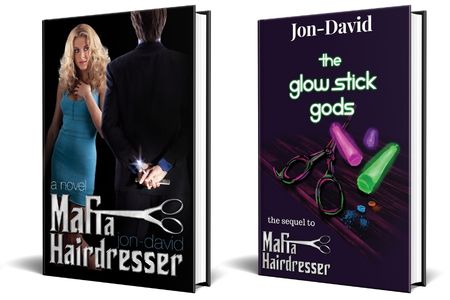
Mafia Hairdresser, & The Glow Stick Gods – two outrageous novels of mobsters, Hollywood, celebrities, cocaine, “Tina”, rave culture, and survival. Inspired by Jon-David’s unbelievable life.
Discover the Books →

For Decades
That’s the part that gets me now.
Think about everything Mom had to throw away during her lifetime.
Two sons generated mountains of childhood debris.
Schoolwork.
Drawings.
Report cards.
Photographs.
Certificates.
Birthday cards.
Christmas ornaments.
Craft projects.
Things made out of macaroni.
Every parent eventually has to decide:
Which pieces of this crap am I supposed to keep?
Apparently Marie decided the toothpaste card made the cut.
She put it into one of the photo albums she assembled for my brother and me.
And there it remained.
Years.
Moves.
Different houses.
Different states.
Children becoming adults.
Grandchildren.
Illness.
Life.
Death.
The crappy pink card survived all of it.
I Don’t Remember Giving It to Her
That’s another strange thing.
I remember making it.
I remember loving the toothpaste saying.
But I don’t have some cinematic memory of presenting it to Mom on Mother’s Day.
I don’t remember her opening it.
I don’t remember her reaction.
I don’t remember whether she cried or laughed or stuck it on the refrigerator.
It was probably an extremely ordinary moment.
That’s what makes it extraordinary now.
Neither of us knew we were making a memory.




Connect with Us on Social Media





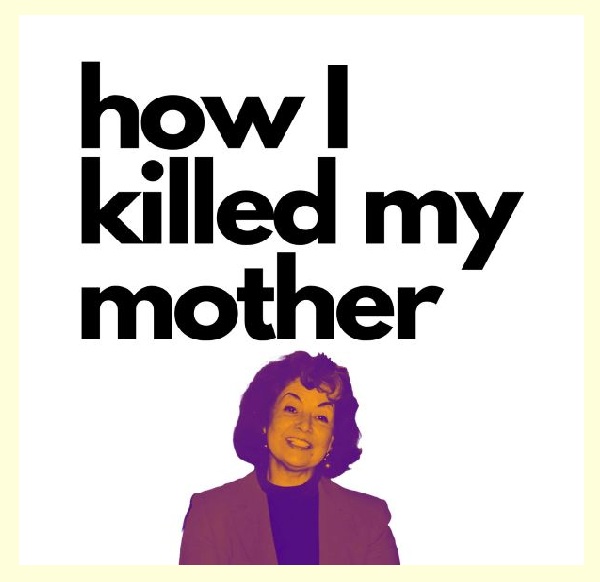
YES. IT’S REALLY CALLED
HOW I KILLED MY MOTHER
A funny, painful, and unexpectedly hopeful memoir podcast about mothers, sons, guilt, grief, forgiveness, and the unfinished relationships we carry with us – sometimes long after the people we love are gone.
LISTEN TO HOW I KILLED MY MOTHER→

Objects Become Evidence
After someone dies, ordinary objects can take on an almost ridiculous amount of emotional weight.
Because suddenly the object isn’t the object anymore.
It’s evidence.
This person was here.
My mother touched this.
My father wrote this.
My grandmother owned this.
My child made this.
We were together when we bought this.
That ugly thing sat on her dresser for thirty years.
Before death, it’s clutter.
After death, it’s an artifact.
And God help the person who accidentally throws it away.
My Mother Was a Keeper
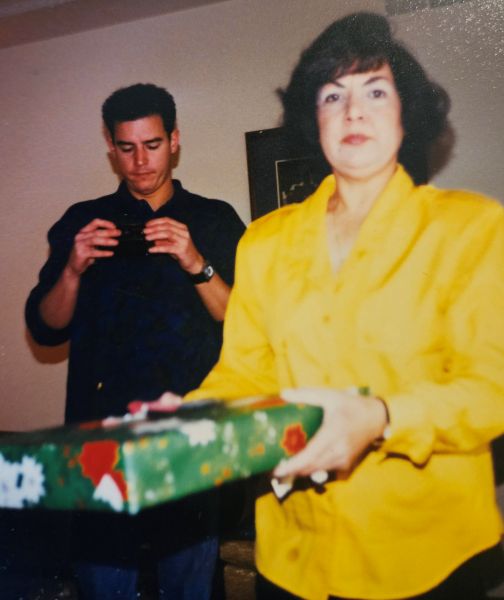
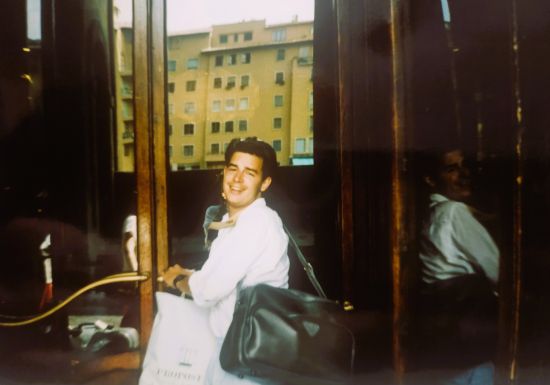
Mom made albums.
She kept photographs.
She saved pieces of our lives.
At the time, I don’t think I appreciated what she was actually doing.
She was curating us.
Not consciously, perhaps.
She wasn’t thinking:
Someday Jon-David will write a memoir and need primary-source documentation.
Although considering my mother, I wouldn’t rule it out.
She was simply keeping what mothers keep.
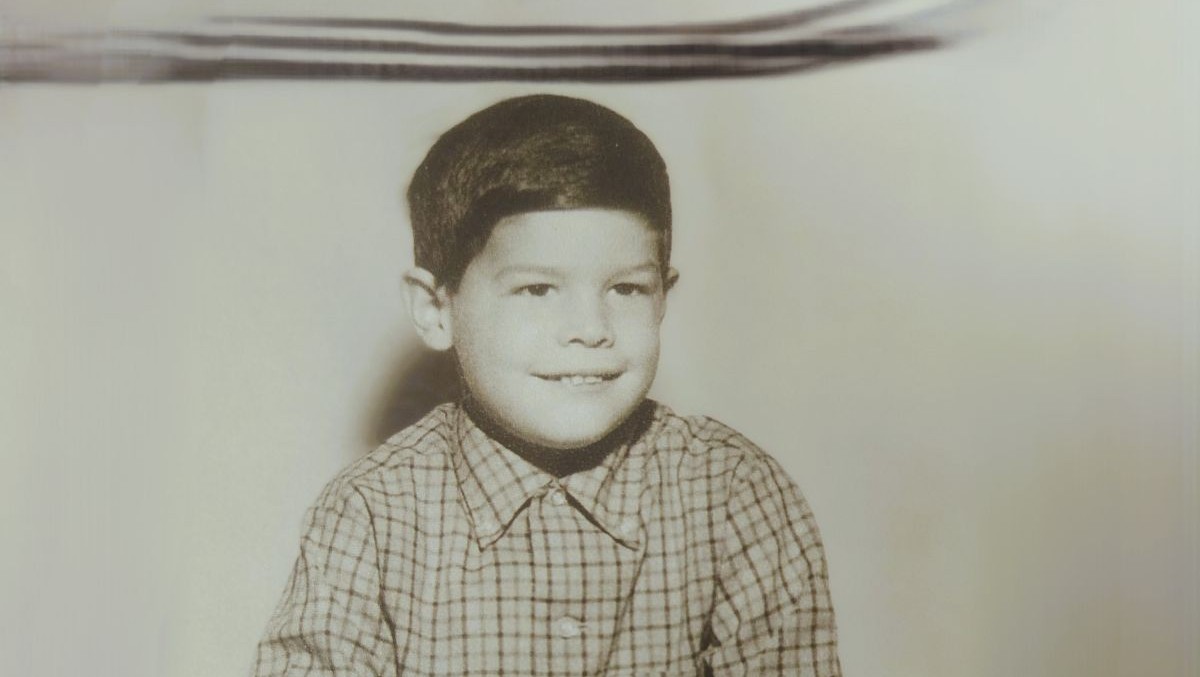
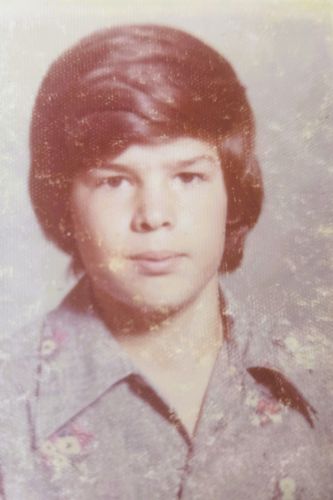
But now those albums allow me to encounter versions of myself I had forgotten.
The child.
The teenager.
The difficult son.
The young hairdresser.
The man whose mother was still alive.
That’s a strange person for me to meet now.
You Don’t Know What Someone Will Keep
Maybe that’s why finding the Mother’s Day card moved me.
I had no idea it mattered to her.
Maybe it didn’t.
Maybe she kept everything.
Maybe the card went into the album because it happened to be sitting nearby.
I can’t ask.
That’s part of death too.
You lose the footnotes.
You find something and want to say:
“Mom, why did you keep this?”
No answer.
So you get to wonder.
And sometimes wondering is enough.
The Quote Became More Accurate With Time
“A mother’s patience is like a tube of toothpaste. No matter how much you squeeze it, there’s always just a little bit more.”
At six, I thought that meant Mom didn’t kill me when I tried to perform amateur ear surgery on my baby brother.
At sixty-something, I read it differently.
My mother and I squeezed that tube pretty hard.
There were years when we fought.
Years when we hurt one another.
Years when she didn’t understand me.
Years when I didn’t understand her.
I tested her patience long after Q-Tips ceased to be involved.
And somehow there was still a little more.
More patience.
More chances.
More forgiveness.
More time.
Until there wasn’t.


That’s the Part Nobody Tells You
Eventually, the toothpaste tube really is empty.
Eventually there isn’t another conversation.
Another Mother’s Day.
Another dinner.
Another argument.
Another chance to call.
Death is extremely effective at clarifying inventory.
And yet the strange thing is that the love doesn’t seem to observe the same rules.
My mother has been gone for years.
I’m still discovering things she gave me.
Sometimes literally.
Sometimes in an album.
Sometimes in myself.
Save Some of the Crap
I’m not suggesting you become a hoarder.
Your children do not need you preserving every worksheet they completed in third grade.
Please throw some things away.
But maybe don’t be too efficient.
Keep a note.
Keep a card.
Keep a recipe written in someone’s handwriting.
Keep a voicemail.
Keep one of the terrible drawings.
Write the person’s name on the back of the photograph while you still remember who everybody is.
Because you have absolutely no idea which meaningless object will someday become priceless to someone who loves you.
My mother couldn’t have known that the pink construction-paper card would eventually become part of a memoir.
Mrs. Shakespeare certainly didn’t know.
Six-year-old Jon-David didn’t know.
He just liked the toothpaste joke.
But all these decades later, I look at that card and realize something.
I thought I was giving my mother a Mother’s Day card.
She was actually saving one for me.
Jon-David is the author of Mafia Hairdresser and The Glow Stick Gods and creator and host of the memoir podcast How I Killed My Mother. He writes about family, aging, grief, relationships, reinvention and the ordinary things that become extraordinary once enough life has happened to them.
Listen to How I Killed My Mother
How I Killed My Mother is a memoir podcast about mothers and sons, depression and hope, family and forgiveness, caregiving, spirituality, humor, death, and the uncomfortable business of discovering who we really are.
The podcast also became the foundation for my upcoming memoir, How I Killed My Mother.
This isn’t a story about having all the answers.
It’s about what happened when I finally started asking myself the questions.
If you’re standing at the bottom of something right now, I can’t tell you how long your climb will be.
I can only tell you that I’ve stood at the bottom, too.
Climb with me.
— Jon-David
0 Comments