
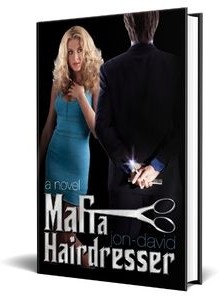
For years I called Mafia Hairdresser fiction. That was convenient. It was also safer. The truth is that most of the insanity in that book really happened to me.
Jon-David, author of Mafia Hairdresser, reflecting on the true story behind his novel.
Mafia Hairdresser Was Based on a True Story | Jon-David
There is something I should probably clear up about my first book, Mafia Hairdresser.
It was fiction.
Technically.
Legally.
For-my-own-personal-safety-ly.
But if you want to know how much of Mafia Hairdresser was invented, I’m going to disappoint you.
Not much.
I changed people. I moved events around. I combined things. I fictionalized circumstances. I made the story funnier, faster and more cinematic because that’s what writers do.
But the world behind it?
The mobster.
The wealthy couple.
The cocaine.
The cars.
The money.
The Hollywood parties.
The danger.
The hairdresser who somehow found himself standing in the middle of all of it?
That was me.
And for decades I didn’t tell the whole story.
I Was Supposed to Be the Hairdresser
I was very young and already becoming a successful hairdresser in Southern California when a client I’ll continue to call Smokey Topaz entered my life.
That isn’t his real name.
I’m still not giving you his real name.
Some promises apparently have expiration dates.
That one doesn’t.
Smokey eventually arranged for me to become the private hairdresser for a wealthy older couple. They had an automotive business, a beautiful lifestyle and money to burn.
At first, my job seemed ridiculous in the best possible way.
I was being paid an extraordinary amount of money to show up several times a week, do the wife’s hair, occasionally cut her husband’s hair, shop with her, help her dress and accompany them places.
I was a young hairdresser being chauffeured around Southern California.
What’s not to like?
Quite a lot, it turned out.
Because according to what I witnessed and understood at the time, their legitimate business was intertwined with something much less legitimate: a cocaine-trafficking operation.
Suddenly, I wasn’t merely the hairdresser.
I was also observing the couple for Smokey.
They trusted me.
Smokey trusted me.
And because everyone trusted the hairdresser, everyone talked in front of me.
There’s something people outside the beauty business don’t understand: nobody sees you when you’re doing their hair.
You’re standing right there.
But after a while, you’re furniture with scissors.
People have affairs in front of you.
They confess addictions.
They discuss money.
They fight with their spouses.
They talk about people they hate.
And apparently, occasionally, they discuss organized crime.
I may have taken the confidentiality of the hairdresser-client relationship a little too far.
The True Story Behind Mafia Hairdresser
LISTEN: Jon-David’s outrageous serialIzed podcast of mobsters, Hollywood, hair salon life, rave culure, true crime, and unbelievable stories inspired by a life that rarely went according to plan.
Start listening to
THE MAFIA HAIRDRESSER CHRONICLES →

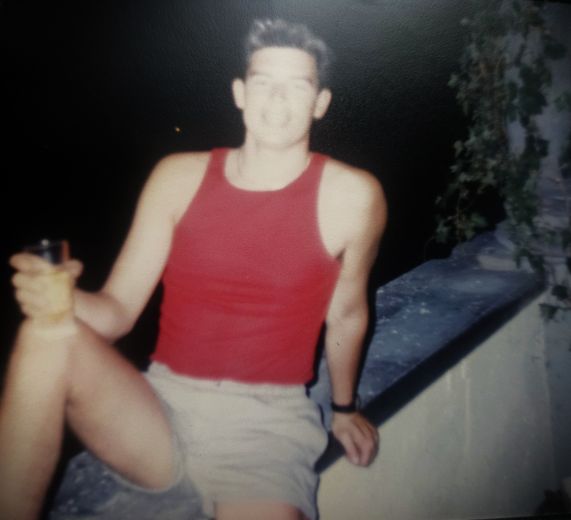
The Funny Book Came From a Not-Funny Place
There were glamorous dinners and parties.
There were enormous amounts of cash.
There were drugs.
There were warehouses and things I wish I hadn’t seen.
And there was a couple increasingly altered by their own cocaine use.
What initially seemed exciting became frightening.
I was a young man who had somehow walked through a door into a world I didn’t understand, and I couldn’t exactly go home and tell everyone about my unusual second job.
So I did something I had already become very good at doing.
I compartmentalized.
Hairdresser Jon-David went to work.
Boyfriend Jon-David went home.
Mafia Jon-David kept his mouth shut.
Years later, Writer Jon-David turned it into a book.
But even Writer Jon-David didn’t tell you everything.
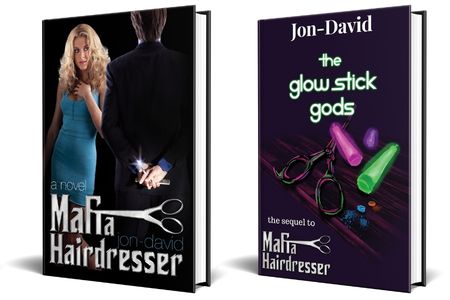
THE STORIES THAT STARTED IT ALL
Mafia Hairdresser, & The Glow Stick Gods – two outrageous novels of mobsters, Hollywood, celebrities, cocaine, “Tina”, rave culture, and survival. Inspired by Jon-David’s unbelievable life.
Discover the Books →

What Happened in New Orleans
There was one event I particularly disguised.
In Mafia Hairdresser, I used fiction to move and reshape pieces of the story.
The truth was uglier.
The couple took me to New Orleans.
One night, while we were out, I believe my drink was drugged.
I knew almost immediately that something was wrong with me. I made it back to the hotel and went to bed, trying to convince myself that whatever was in my body would eventually pass.
The couple later came into my room.
What happened next is something I still don’t particularly want to describe in detail.
They sexually assaulted me.
There.
I’ve said it plainly.
For years I couldn’t.
I was young. I was ashamed. I didn’t have today’s vocabulary for what had happened to me. I certainly didn’t have today’s understanding of consent, trauma or what an experience like that can leave behind.
I just knew that something had happened that I didn’t want to happen.
And I wanted out.
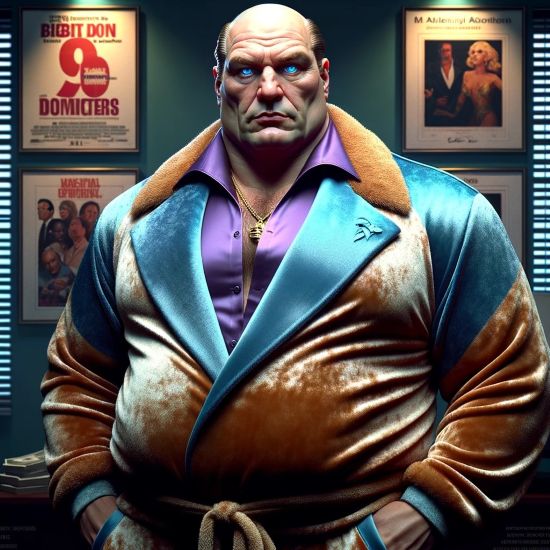
Big Don
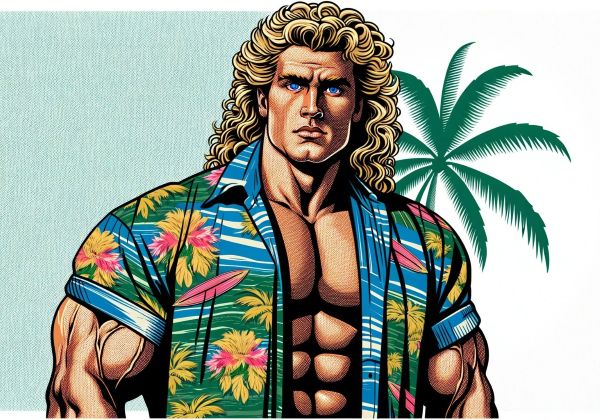
Smokey Topaz
The Mobster Was the Person Who Let Me Leave
This is where life refuses to arrange itself into convenient categories of good people and bad people.
When I returned to California, I told Smokey what had happened.
He didn’t interrogate me.
He didn’t tell me I was exaggerating.
He didn’t tell me to go back.
He apologized for putting me in that position.
And he let me leave.
He also gave me a substantial amount of money when I left.
That money became part of the financial foundation that allowed an absurdly ambitious young hairdresser to move forward with his life and eventually own a salon while still in his twenties.
Think about that for a moment.
Something terrible happened to me.
I escaped it.
And some of the money attached to that terrible chapter helped finance the next chapter of my life.
That’s messy.
But lives are messy.
Mine especially.




Connect with Us on Social Media





YES. IT’S REALLY CALLED
HOW I KILLED MY MOTHER
A funny, painful, and unexpectedly hopeful memoir podcast about mothers, sons, guilt, grief, forgiveness, and the unfinished relationships we carry with us – sometimes long after the people we love are gone.
LISTEN TO HOW I KILLED MY MOTHER→

Why Didn’t I Tell Anyone?
This may be the part that interests me most now.
Why did I remain silent?
Fear was certainly part of it.
These weren’t people I wanted angry with me.
But shame was part of it too.
And so was my relationship with my mother.
At that point in our lives, my mother and I were not close.
What was I supposed to say?
Hi, Mom. I’ve accidentally become involved with people trafficking cocaine, I’m being paid a ridiculous amount of money to do hair and babysit rich people, and something sexually traumatic just happened to me in New Orleans. Do you have a minute?
We didn’t have that kind of relationship.
Or at least I didn’t believe we did.
That’s one of the realizations I’ve had while writing How I Killed My Mother.
Maybe she could have handled it.
Maybe I was the one who couldn’t handle telling her.
My original memoir chapter admits that I didn’t tell my mother until decades later, when I finally put a safer version of the experience into Mafia Hairdresser.
By then, I had transformed trauma into entertainment.
Which, I have discovered, is one of my specialties
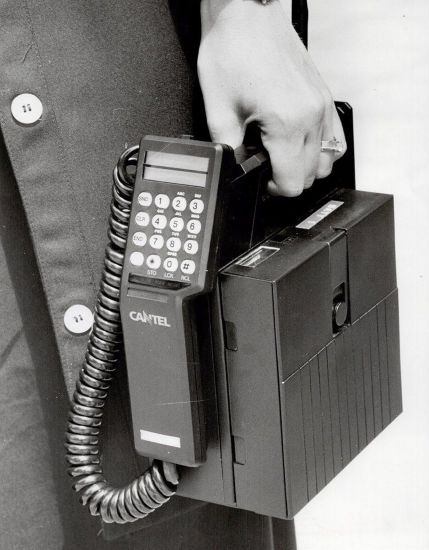
For years, fiction gave Jon-David a safe place to hide a very real story.
Fiction Gave Me Somewhere to Hide
When I finally wrote Mafia Hairdresser, I could tell the truth without announcing that it was the truth.
I could make myself a character.
I could change circumstances.
I could make terrible people funny.
I could make frightening situations exciting.
And if anybody asked?
“It’s fiction.”
That sentence protected me.
It also kept me hidden.
I don’t need it anymore.
The people I worked for are dead. Smokey is part of another lifetime. I’m no longer that young hairdresser trying to figure out what happened to him.
And I have finally reached the age when telling the truth is more useful to me than protecting the mythology.
That doesn’t mean every scene in Mafia Hairdresser happened exactly as written.
It didn’t.
It’s a novel.
But the strange thing I’ve finally become comfortable admitting is this:
I didn’t invent the unbelievable life in Mafia Hairdresser.
I survived it.
Then I learned how to write it.
And somewhere along the way, I became Jon-David.
Jon-David is the author of Mafia Hairdresser and The Glow Stick Gods, and the creator and host of How I Killed My Mother, a memoir podcast about mothers, sons, secrets, forgiveness and the stories we tell ourselves in order to survive our own lives.
— “Mafia Hairdresser Was Almost Entirely True. I Just Didn’t Want to Get Killed.” – Jon-David
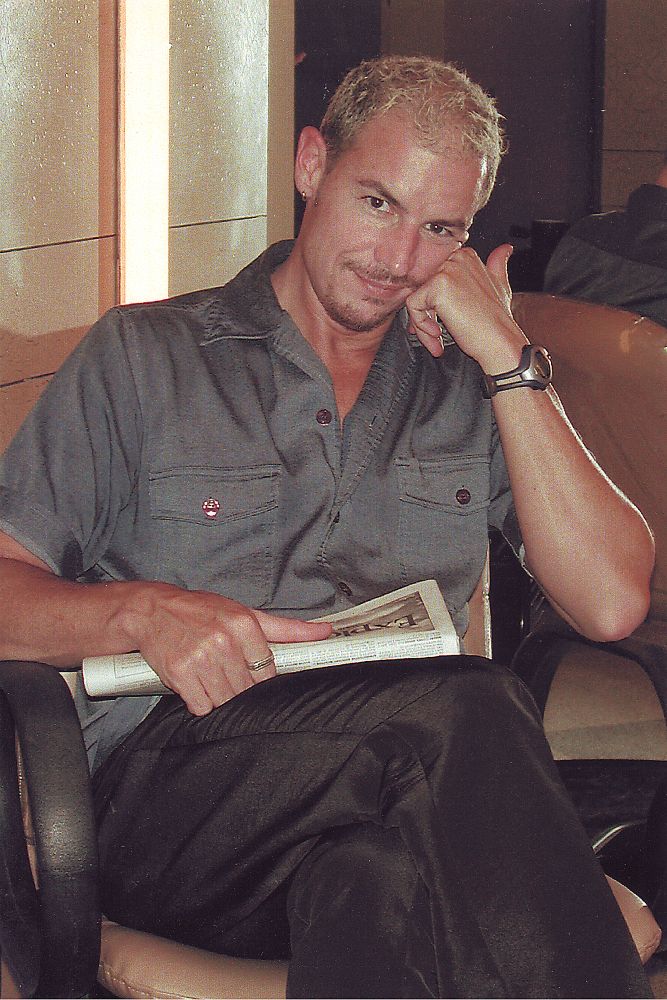

And then there’s: How I Killed My Mother
How I Killed My Mother is my memoir podcast about family, forgiveness, identity, humor, grief, caregiving, spirituality and the uncomfortable discovery that our parents sometimes make more sense after we begin repeating their mistakes.
Listen to the podcast and join my mailing list at HowIKilledMyMother.com for new stories, bonus material and updates about the upcoming memoir.
And ask yourself:
What did you once hate about your parents—only to hear yourself saying or doing the exact same thing years later?
0 Comments