
I don’t know exactly what happens after we die. But I have developed a theory: maybe the people we love don’t stop helping us. Maybe they simply change departments.
Can Loved Ones Still Guide Us After Death? | Jon-David
I pray to my mother.
Actually, that’s not quite how I describe it anymore.
I spirit-text her.
That’s the phrase I use.
Because prayer sounds very formal.
Spirit-texting sounds more like our actual relationship.
“Hey, Mom. I need some help.”
And if you think that’s strange, wait.
I also have different dead people assigned to different specialties.
Apparently the afterlife has departments.
My Mother Is in Protective Services
If somebody I care about has a son or daughter in a relationship that feels wrong, I tell them something very sincerely.
Pray to Marie Elshere.
Ask her to help.
I mean it.
I believe my mother has a particular talent on the other side for exposing people who are not what they seem.
Manipulators.
Users.
People who are verbally cruel.
People who smile beautifully in public and make someone miserable in private.
People your child loves too much to see clearly.
I don’t ask my mother to destroy anybody.
Marie can handle her own interpretation of the assignment.
I simply ask:
Show us who this person really is.
And I believe she does.
Mom Was Good at Spotting the Wrong Person
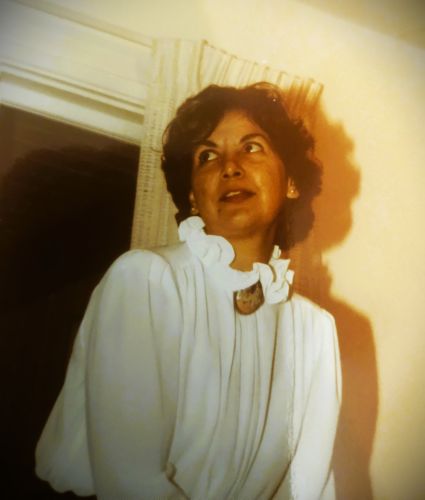
My mother had very strong opinions about the people my brother and I dated, married, befriended or brought home.
Sometimes annoyingly strong.
At the time, I didn’t always agree with her.
In fact, there were people she disliked whom I defended.
That’s what children do.
Even adult children.
A mother says:
“I don’t trust her.”
And you say:
“You don’t even know her.”
Then five years later you’re calling Mom:
“You were right.”
Marie particularly disliked one woman in our family.
I won’t re-litigate every reason here.
That’s part of the larger story.
But after Mom died, something happened around her funeral that changed the way I thought about Mom’s continued presence in my life.
The person Mom had distrusted began revealing herself.
Not because Mom appeared in a cloud and pointed.
Nothing that convenient.
Her behavior simply became harder and harder for everyone to ignore.
And suddenly other members of the family began saying some version of:
Maybe Marie was right.
That caught my attention.
LISTEN: Jon-David’s outrageous serialIzed podcast of mobsters, Hollywood, hair salon life, rave culure, true crime, and unbelievable stories inspired by a life that rarely went according to plan.
Start listening to
THE MAFIA HAIRDRESSER CHRONICLES →

But Something Else Had Happened First
Before my mother’s funeral, I had a problem.
I was supposed to speak.
And I didn’t want to perform.
I’d spent years writing, acting, speaking publicly and knowing exactly how to control a room.
But I didn’t want to manufacture a beautiful speech about my mother.
I wanted the right words.
So for the first time in my life, I deliberately prayed to her.
I said, essentially:
Mom, if you can hear me, help me. Give me the words you want me to say.
Then I stopped trying to write them.
For me, that was unusual.
I rehearse.
I prepare.
I revise.
I have been known to make spontaneity look spontaneous after rehearsing it seventeen times.
But this time I waited.
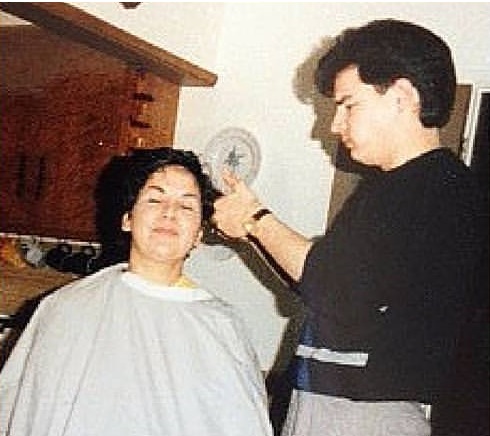
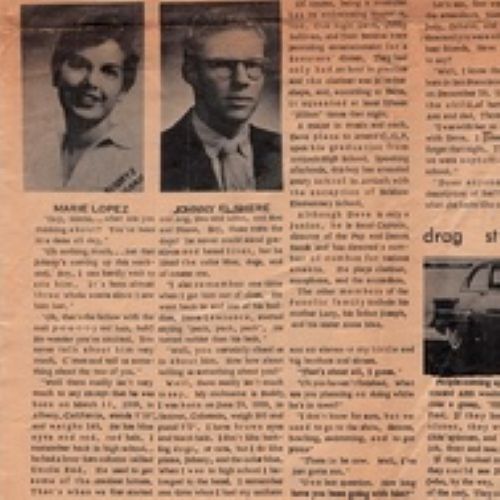
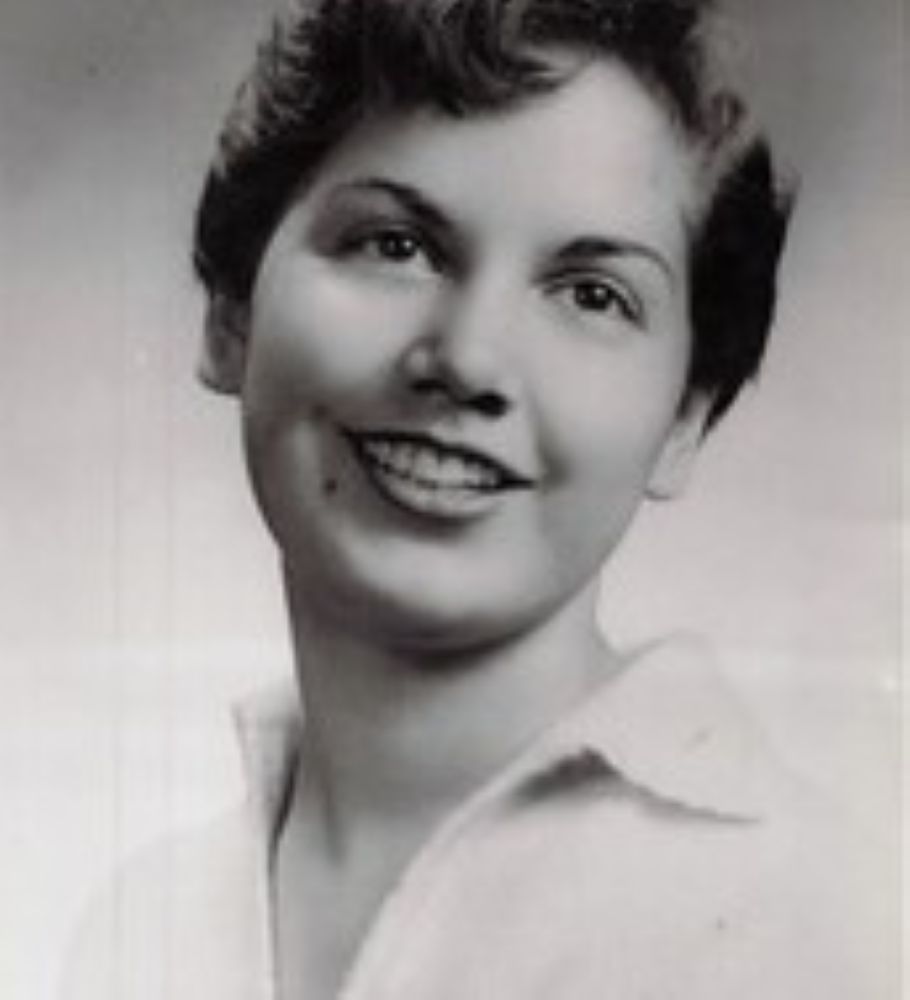
And then, while going through my mother’s things before the funeral, I found an old high-school newspaper.
Inside was a little article about my mother.
In her own words.
It was light.
Funny.
Young.
Completely Marie.
The chapter records how strongly I felt that I had been led directly to it after asking her for help.
I had asked my mother for the perfect words to say at her funeral.
And somehow I found hers.

THE STORIES THAT STARTED IT ALL
Mafia Hairdresser, & The Glow Stick Gods – two outrageous novels of mobsters, Hollywood, celebrities, cocaine, “Tina”, rave culture, and survival. Inspired by Jon-David’s unbelievable life.
Discover the Books →

That’s When Spirit-Texting Began
Something changed for me after that.
Until then, talking to someone who had died had been comforting.
Afterward, I started wondering whether communication might be more interactive than that.
Not:
“Mom, I miss you.”
But:
“Mom, could you help me with this?”
That’s different.
And yes, I understand what skeptics will say.
Coincidence.
Pattern recognition.
Confirmation bias.
Subconscious intuition.
You’re welcome to those explanations.
I’m not trying to prove anything.
This is not a peer-reviewed journal of dead mothers.
I’m telling you what I believe.
And the interesting thing about spiritual beliefs is that they don’t necessarily become more valuable when everybody agrees with them.
Sometimes they’re valuable because they change the way you experience your life.
I Have Other People on Staff
Mom isn’t the only one.
I have a friend named Dennis who died years ago.
Dennis believed in my writing.
He believed one of my books was going to hit.
He believed in the screenplays.
He believed in the big thing before the big thing happened.
So when I’m working on a book project or imagining finally getting the right publisher, agent or opportunity, sometimes I talk to Dennis.
That’s his department.
Publishing.
Hollywood.
Doors opening.
“Come on, Dennis. Do your thing.”
I don’t know what his thing is.
That’s why he’s dead management and I’m living staff.




Connect with Us on Social Media





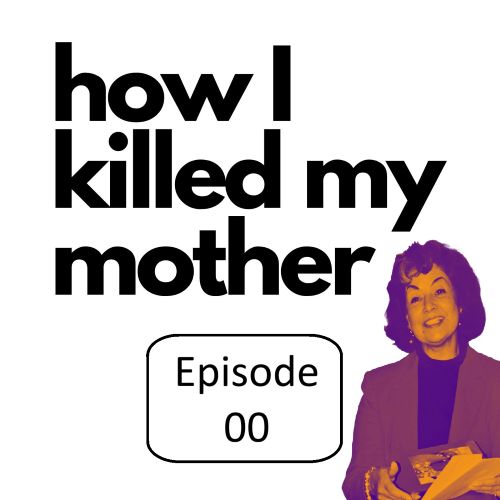
YES. IT’S REALLY CALLED
HOW I KILLED MY MOTHER
A funny, painful, and unexpectedly hopeful memoir podcast about mothers, sons, guilt, grief, forgiveness, and the unfinished relationships we carry with us – sometimes long after the people we love are gone.
LISTEN TO HOW I KILLED MY MOTHER→
Then There’s Liz
My friend Liz Strauss was a brilliant digital thinker.
She understood blogging.
Online communities.
The internet.
How people connect.
How ideas move.
How a person’s work becomes visible.
She was one of those people who seemed to understand where the online world was going before everybody else arrived there.
So when I’m working on digital content now?
Blogs.
Social media.
Podcast strategy.
Building this strange ecosystem around Jon-David?
I talk to Liz.
If there is an afterlife communications department, I assume she has Wi-Fi.
Maybe We Assign the Jobs
This is the part I’ve wondered about.
Do they actually have specialties?
Or do we give them specialties because that’s how we knew them?
Maybe Dennis helps me believe in the book because Dennis believed in it while he was alive.
Maybe Liz helps me think more clearly about digital work because that’s how I remember her mind.
Maybe my mother helps me see troublesome people because Marie had sharp instincts and very little patience for nonsense.
Maybe talking to them activates parts of me that they helped build.
If that’s the scientific explanation, I don’t find it disappointing.
Actually, I think it’s beautiful.
Because it still means they’re helping.
What We Learn From People Doesn’t Die With Them
This much I don’t think requires any belief in an afterlife.
Someone teaches you courage.
They’re gone.
You still have the courage.
Someone teaches you how to cook.
They’re gone.
You still make the sauce.
Someone teaches you business.
You still hear their advice when you’re negotiating.
Someone believes in you.
Twenty years after they’re dead, you still hear:
You can do this.
Is that a ghost?
Memory?
Neural pathways?
Soul?
I don’t particularly care.
The result is the same.
The person continues to participate in your life.
So Why Not Ask?
That’s where I’ve landed.
If someone I loved was particularly good at something while they were alive, I see absolutely no downside in asking them for a little help now.
Lost?
Ask the dead navigator.
Scared?
Ask the brave one.
Starting a business?
Talk to Grandpa who built one.
Writing?
Call the dead writer.
Worried your daughter is marrying someone terrible?
I have a recommendation.
Marie Elshere.
Tell her Jon-David sent you.
There Is One Rule
Don’t outsource your life to dead people.
That’s lazy.
I don’t ask Dennis to write the book.
I write the book.
I don’t ask Liz to build my digital presence.
I do the work.
I don’t ask Mom to choose my friends or partners.
God knows she tried that while she was alive and I didn’t listen then either.
You still have to live.
You still have to make decisions.
You still have to pay attention.
But I see nothing wrong with saying:
If you’re around, help me notice what I’m missing.
That’s mostly what I ask for.
A nudge.
A coincidence.
A sentence.
An idea.
A door.
The right old newspaper showing up at exactly the moment I need the right words.
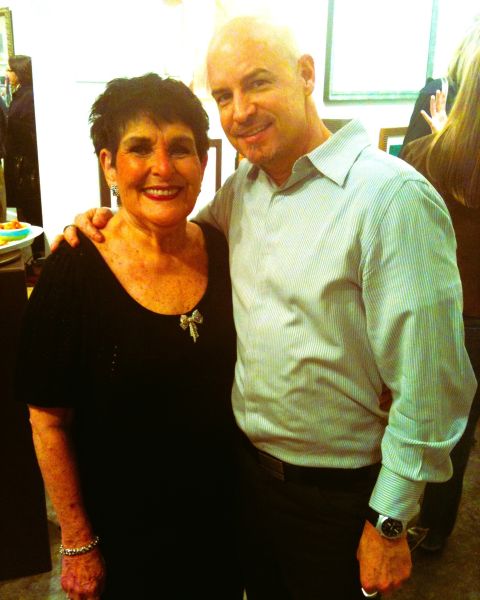
My Mother’s Funeral Changed the Rules
At her funeral, I read from that article about young Marie and the boy she loved—the man who would become my father.
I didn’t have to write a magnificent eulogy.
I didn’t have to invent the perfect ending.
My mother had already written it decades earlier.
The little high-school piece described her as a girl—her likes, dislikes, embarrassing moments, friends, and her excitement over seeing “Johnny.”
That’s what made it so much better than anything I could have created.
It wasn’t about Dead Marie.
It was Alive Marie.
Young Marie.
Before marriage.
Before children.
Before me.
Before anybody knew how the story would end.
For the first time, I thought:
Maybe Mom is still in this.
Not metaphorically.
Actually.
That belief has never left me.
I Don’t Need to Prove It
This is probably another difference between getting older and getting wiser.
I no longer need everyone to approve of my beliefs.
I believe people continue.
I believe relationships continue.
I believe love continues.
I believe we can receive help from the people who loved us.
I also believe I occasionally imagine things.
Those ideas can coexist.
I don’t need to certify every butterfly.
Sometimes a butterfly is a butterfly.
Sometimes I think:
“Hi, Mom.”
Life is more interesting that way.
The Dead May Be More Useful Than We Give Them Credit For
We tend to talk about death as if someone has been deleted.
Gone.
Past tense.
But that’s not my experience.
My mother is still part of my decision-making.
Dennis is still part of my ambition.
Liz is still part of the way I think about communication and the digital world.
Other people I’ve loved are still embedded in different rooms inside me.
And sometimes I knock.
Maybe that’s all spirit-texting is.
Maybe I’m talking to myself.
Maybe I’m talking across dimensions.
Maybe the distinction matters less than we think.
Because either way, somebody I loved answers.
And occasionally, if I ask nicely, my mother still points out the bad egg.
Marie always did hate being wrong.
Listen to How I Killed My Mother
How I Killed My Mother is a memoir podcast about mothers and sons, depression and hope, family and forgiveness, caregiving, spirituality, humor, death, and the uncomfortable business of discovering who we really are.
The podcast also became the foundation for my upcoming memoir, How I Killed My Mother.
This isn’t a story about having all the answers.
It’s about what happened when I finally started asking myself the questions.
If you’re standing at the bottom of something right now, I can’t tell you how long your climb will be.
I can only tell you that I’ve stood at the bottom, too.
Climb with me.
— Jon-David
0 Comments