
Was I Born This Confident—or Did My Parents Create Me?
Was I Born This Confident—or Did My Parents Create Me?
Confidence, Chutzpah, Childhood Survival Skills, and the Making of the Mafia Hairdresser
I have never suffered from a crippling lack of confidence.
This may come as a shock to absolutely no one who knows me.
As a child, I could walk into a room full of strangers and work it. I could talk to adults. I could make people laugh. I could convince people to do things they probably hadn’t planned on doing.
And if none of that worked, apparently I could lie.
Very well.
So while writing How I Killed My Mother, I started wondering:
Was I born this way?
Or did my parents create this monster?
I Call It Chutzpah
I’ve always loved the word chutzpah.
To me, chutzpah isn’t simply confidence. It’s confidence with nerve.
It’s walking through a door before anyone has officially invited you inside.
It’s assuming you belong in the room.
It’s believing that somehow, some way, you’re going to figure things out.
And sometimes it’s getting what you want while somehow convincing everybody involved that helping you get it was their idea.
My father had his version of chutzpah.
My mother had hers.
And then they had me.
God help them.
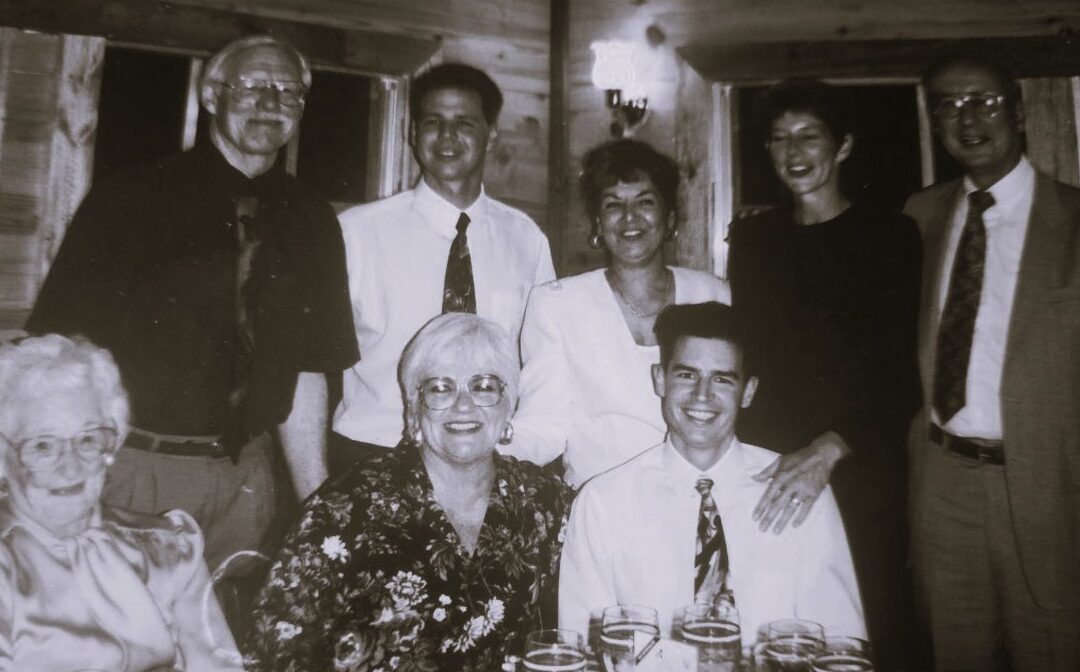
My dad knew how to entertain people. He had jokes, stories, history, politics, trivia and enough conversational material to keep a room occupied. I watched him work people.
My mother had another kind of power. She was strong-willed, persuasive, determined and very good at getting her way.
I inherited—or learned—a little from both of them.
Then I weaponized it.

LISTEN: Jon-David’s outrageous serialIzed podcast of mobsters, Hollywood, hair salon life, rave culure, true crime, and unbelievable stories inspired by a life that rarely went according to plan.
Start listening to
THE MAFIA HAIRDRESSER CHRONICLES →

The Door-to-Door Candy Salesman Who Wasn’t Selling Anything
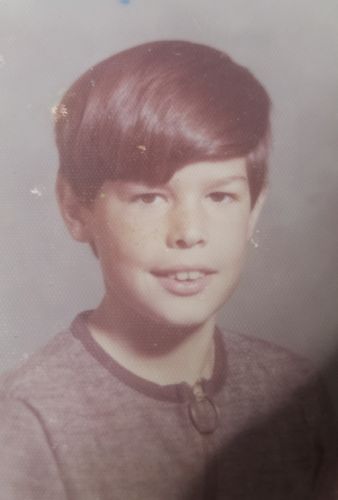
Around kindergarten age, I discovered something extraordinary.
People had candy in their houses.
So I started knocking on strangers’ doors and asking them for some.
Not next-door neighbors.
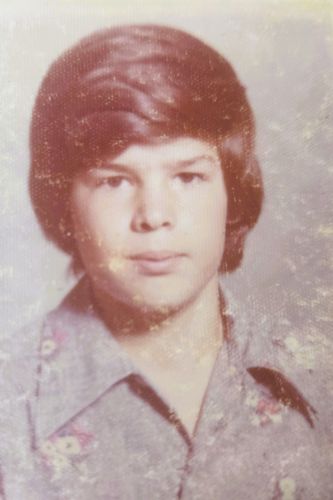
I’d wander block after block, sometimes a remarkable distance from home, knocking on doors and charming complete strangers into giving me candy.
Eventually somebody would call my mother.
She was horrified.
I was delighted.
And then I did it again.
Because I had chutzpah.
And because I liked candy.
Looking back, though, I see something besides a mischievous little kid.
I see a child who wasn’t particularly frightened of the world.
I expected people to like me.
I expected things to work out.
That’s an extraordinary gift to give a child—even if the child occasionally uses that gift to solicit sweets from strangers.
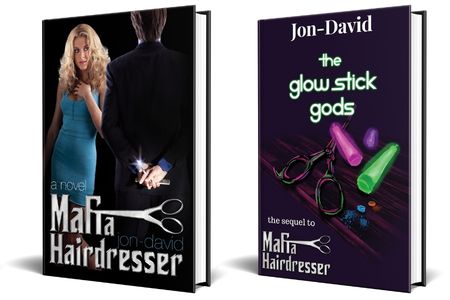
THE STORIES THAT STARTED IT ALL
Mafia Hairdresser, & The Glow Stick Gods – two outrageous novels of mobsters, Hollywood, celebrities, cocaine, “Tina”, rave culture, and survival. Inspired by Jon-David’s unbelievable life.
Discover the Books →

At Nine Years Old, I Hired a Cab
Another time, I wanted a model car from a five-and-dime store called Bocks.
It was about two miles from our house.
I could have ridden my bicycle.
Absolutely not.
I’ve never enjoyed breaking a sweat unnecessarily.
So I called a taxi.
I had the driver meet me at the bottom of our driveway because I correctly suspected my mother might have some antiquated objection to a nine-year-old summoning his own transportation.
The cab took me downtown.
I bought my model.
Then, because I considered myself a responsible working adult, I called my mother from the payphone at Bocks and asked whether she needed me to pick anything up while I was downtown.
I was nine.
But I worked weekends at my father’s Shell station. I had money. I had responsibilities. Therefore, in my mind, I had earned certain adult privileges.
My mother did not share this interpretation of childhood.
She ordered me to walk home.
Naturally, I called another cab.
I just got out early and walked around for a while so she’d think I’d walked the whole way.
Chutzpah.
Confidence Has a Dark Side
These stories are funny now.
Some of them are very funny.
But writing this memoir forced me to look at the other side of them.
Because confidence can become arrogance.
Independence can become secrecy.
Persuasion can become manipulation.
Self-reliance can become an inability to ask for help.
And learning how to get your way can eventually become learning how to hide parts of yourself from the people who love you.
That’s where this stops being simply a collection of funny childhood stories.
My mother and I were both strong-willed people.
Very strong-willed.
We loved each other.
And we battled each other.
The older I became, the more I learned that if Mom wasn’t going to approve of something I wanted to do, there was another solution available:
Don’t tell Mom.
I called that independence.
Mom probably called it lying.
Today I’ll compromise and call it chutzpah.




Connect with Us on Social Media





YES. IT’S REALLY CALLED
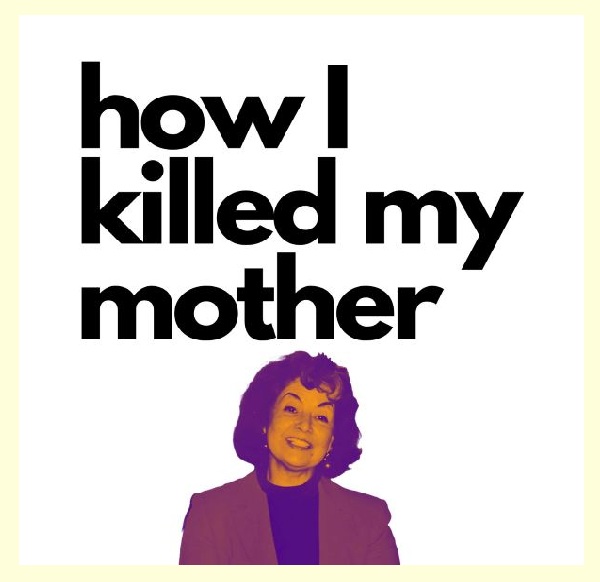
HOW I KILLED MY MOTHER
A funny, painful, and unexpectedly hopeful memoir podcast about mothers, sons, guilt, grief, forgiveness, and the unfinished relationships we carry with us – sometimes long after the people we love are gone.
LISTEN TO HOW I KILLED MY MOTHER→
My Parents Also Taught Me How to Fail
There is something else I understand now that I couldn’t have understood as a child.
My parents allowed me to fail.
They expected me to work.
They encouraged me to figure things out for myself.
I worked at my father’s gas station when I was nine years old. I cleaned. I pumped gas. I checked oil. I dealt with customers. I made mistakes.
And I discovered that making a mistake wasn’t the end of the world.
You dealt with it.
You learned.
You adapted.
You went back to work.
That may be one of the greatest gifts my parents ever gave me.
Because eventually that little boy grew into a hairdresser.
And a salon owner.
And a performer.
And an entrepreneur.
And a writer.
And the Mafia Hairdresser.
I’ve walked into rooms where I knew nobody.
I’ve started businesses.
I’ve moved across the country.
I’ve stood in front of cameras.
I’ve written books.
I’ve lost things.
I’ve started over.
I’ve embarrassed myself spectacularly.
And I’ve survived.
Again and again.
Maybe Our Greatest Strengths Start as Survival Skills
While making How I Killed My Mother, I’ve had to reconsider many of the stories I’ve told myself about my childhood.
For years, I could point toward certain qualities and say:
That’s because of my mother.
Or:
That’s because of my father.
Sometimes that was blame.
Sometimes it was praise.
But age has complicated the story.
The very stubbornness that caused enormous battles between my mother and me became determination later in my life.
The independence that allowed me to hide things from her also allowed me to survive when nobody was coming to rescue me.
The ego that occasionally made me insufferable also gave me enough belief in myself to take chances.
And the ability to make people laugh helped me survive rooms where being different could have made me a target.
Maybe the qualities that cause us trouble as children don’t disappear.
Maybe we learn how to use them.
So, Was I Born This Way?
Yes.
No.
Probably.
I think I arrived with some raw material.
My parents added theirs.
Life added more.
Then I spent the next several decades figuring out what the hell to do with all of it.
And that may be one of the surprises of writing this memoir.
I thought I was going back through my life to understand my mother.
Instead, I’m beginning to understand myself.
The confidence.
The charm.
The ego.
The independence.
The stubbornness.
The humor.
The mistakes.
The Mafia Hairdresser.
All of him.
And maybe that’s what growing older is supposed to give us: not the ability to rewrite our childhood, but the ability to finally understand what it made.
Sometimes our greatest strengths begin as childhood survival skills.
— Jon-David
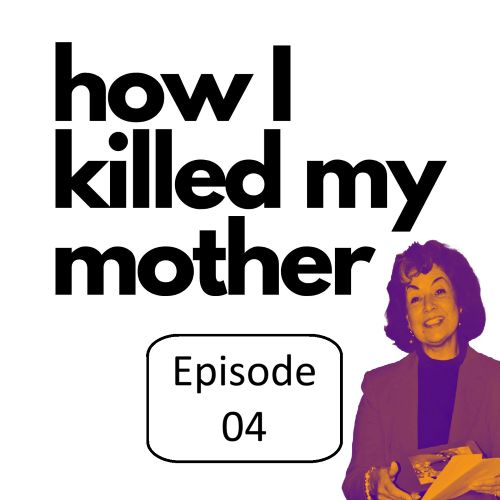
Listen to Episode 04: “All About Me”
In Episode 04 of How I Killed My Mother, I go deeper into the childhood experiences, family dynamics and personality traits that helped create the person I eventually became.
Listen to How I Killed My Mother and join the mailing list at HowIKilledMyMother.com for new episodes, stories, bonus material and updates about the upcoming book.
And ask yourself one question:
What part of the person you are today began with the child you had to become?
Absolutely. Here’s the metadata package again for “Was I Born This Confident—or Did My Parents Create Me?”
0 Comments