
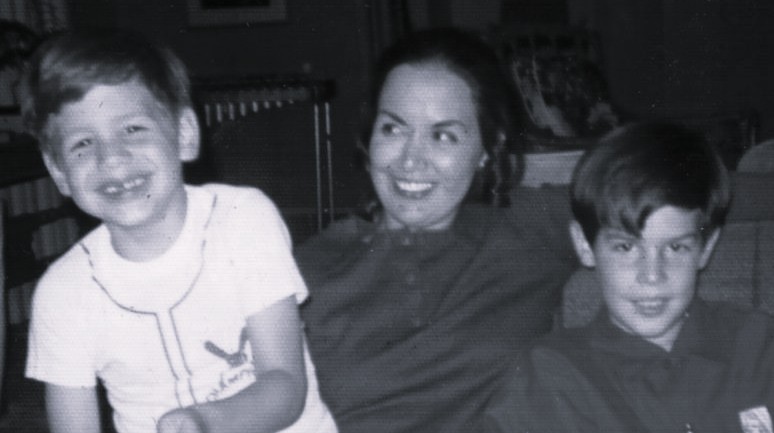
Bubble Boy: Growing Up With a Sick Sibling and Learning How to Love
Sometimes love doesn’t look like equality. Sometimes it looks like giving each child exactly what they need.
My mother loved my brother more than me.
There.
I said it.
Before anybody calls their therapist on my behalf, let me explain something.
I’m perfectly fine with it.
In fact, now I understand why she had to.
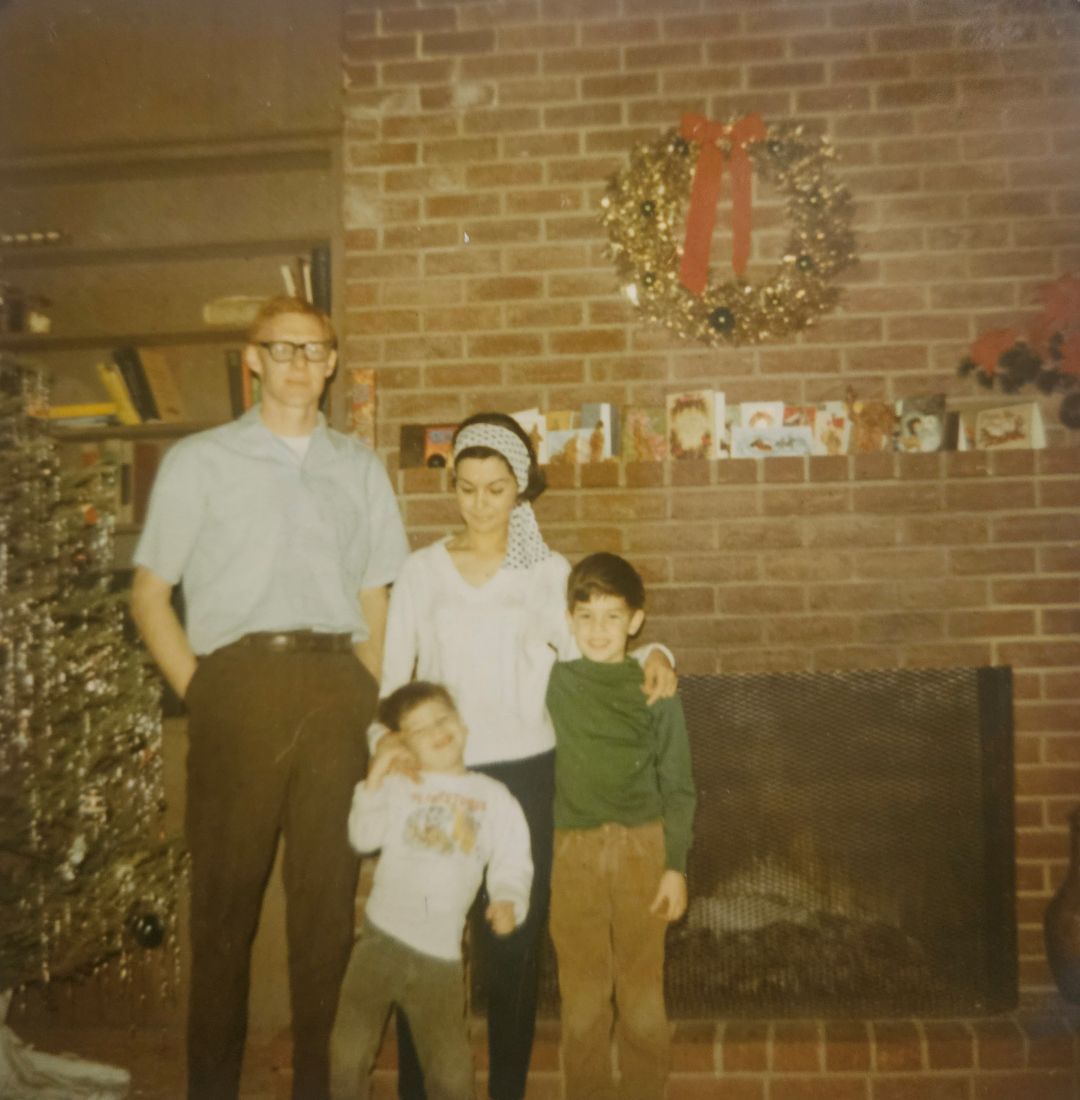
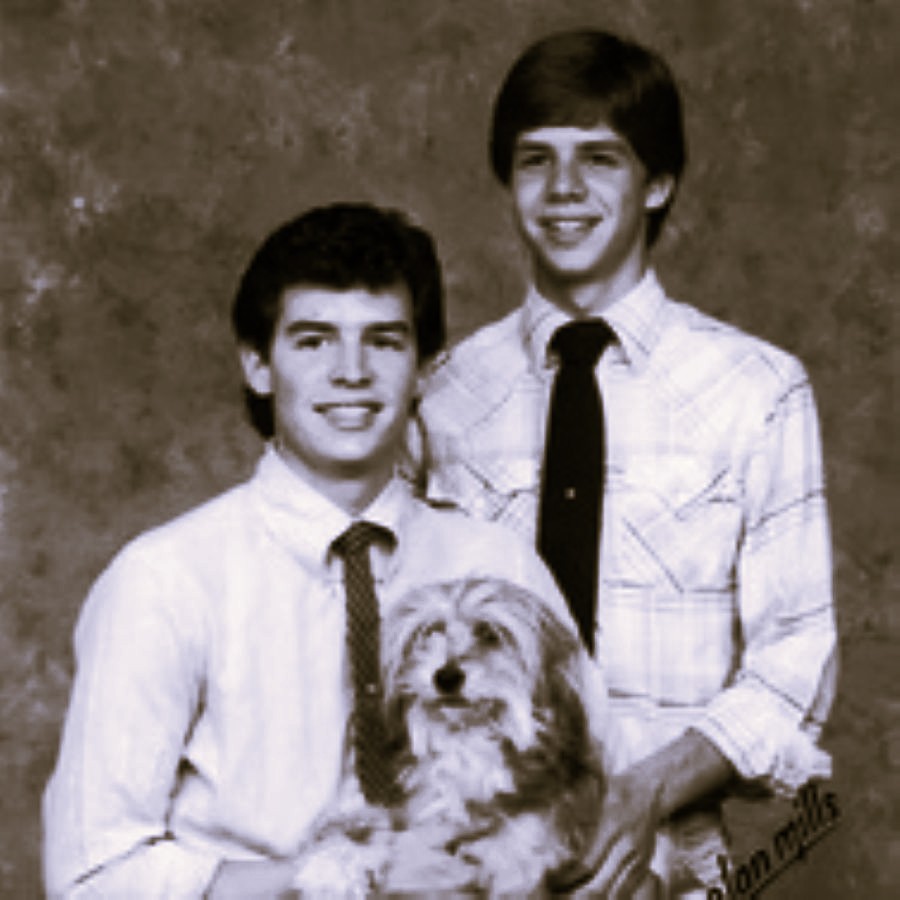
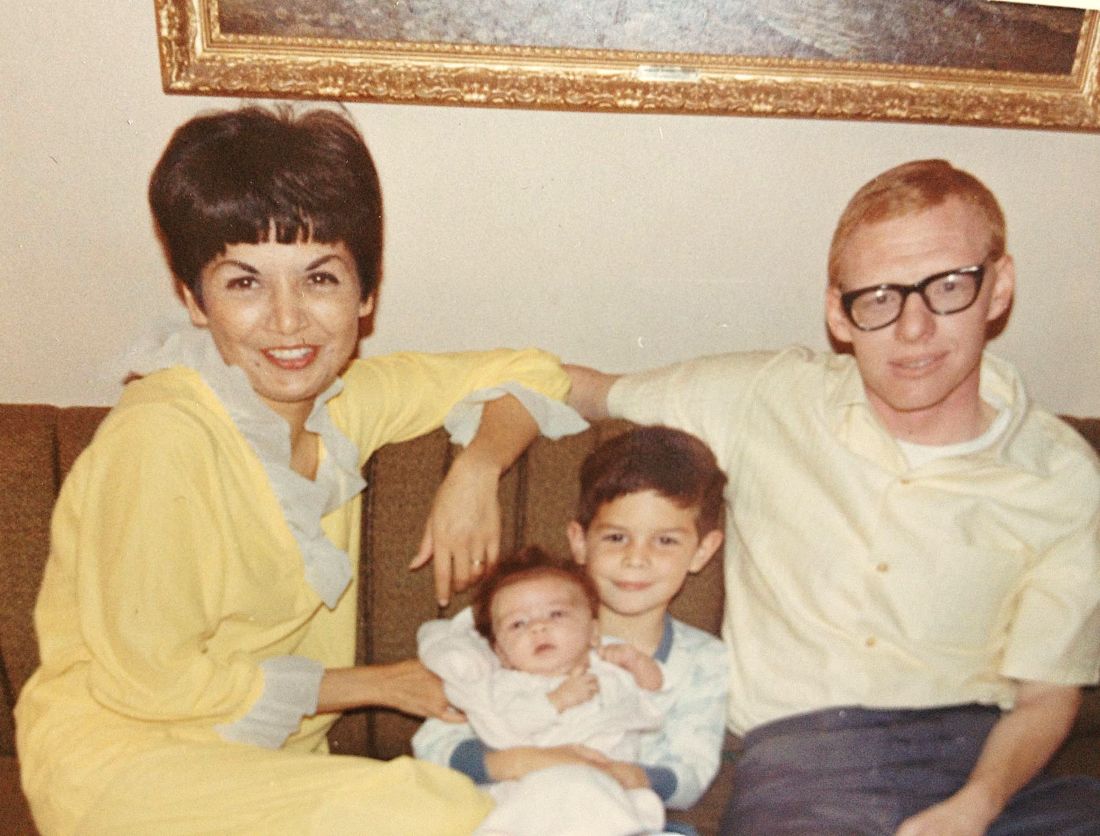
My younger brother, Jess, was allergic to practically everything.
Food.
Pollen.
Grass.
Dust.
Animals.
Air.
Okay, maybe not technically air, but breathing the stuff could become problematic.
He also had asthma.
We lived in the foothills of the San Gabriel Mountains in Southern California, surrounded by exactly the sort of vegetation that apparently had been put on Earth specifically to kill my brother.
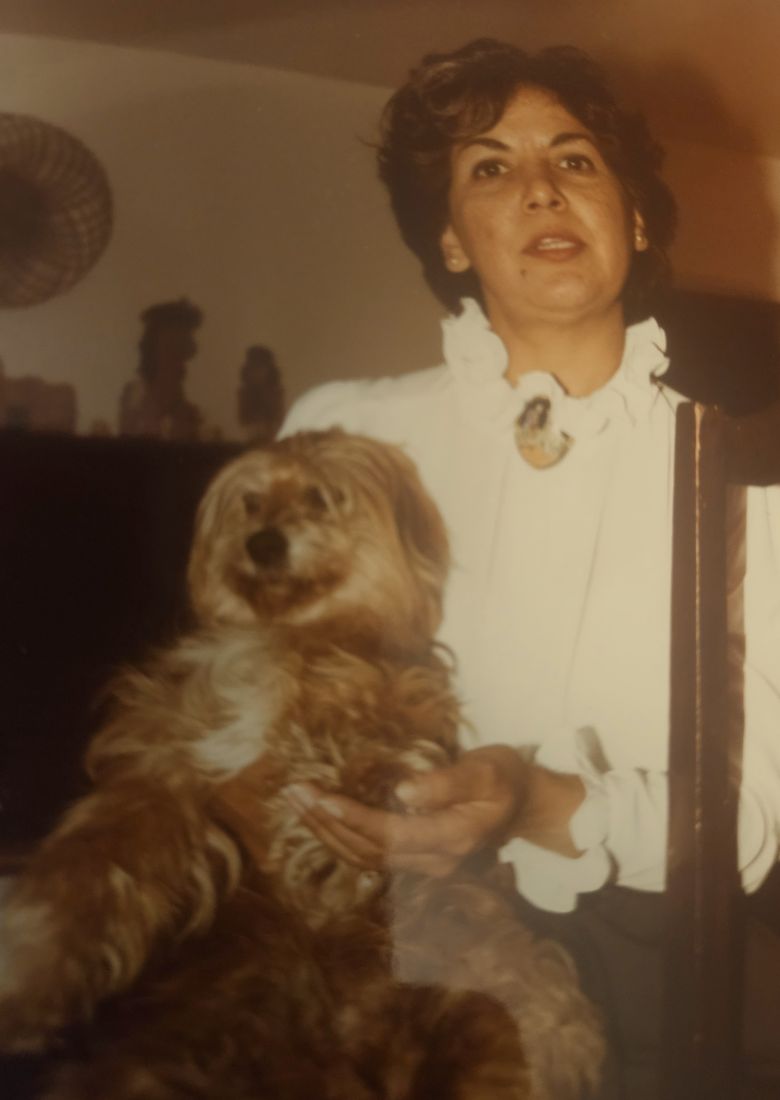
We also had pets.
A dog.
A cat.
Even a pet squirrel.
And because my mother apparently didn’t think we had enough wildlife, a family of raccoons regularly broke into our kitchen to steal graham crackers.
Mom called the raccoons the “God-damits.”
I’ll let you figure out why.
Basically, our childhood home was an allergy sufferer’s version of Survivor.
And my mother spent a good portion of my brother’s childhood keeping him alive.
My Brother Was the Bubble Boy Who Wasn’t
That’s why Episode 3 of How I Killed My Mother is called “Bubble Boy.”
Jess wasn’t actually raised in a bubble.
Although there were times when one might have been useful.
He had food allergies to milk, cheese, chocolate, various fruits, vegetables, grains and other perfectly innocent-looking foods that could cause everything from rashes and fatigue to serious problems breathing.
Then there were the environmental allergies.
Smog.
Dust.
Pollen.
Plants.
Cat dander.
Dog hair.
Southern California itself seemed to be trying to assassinate him.
Today, a child with those kinds of allergies might have medical alert bracelets, carefully labeled foods and an entire system designed to keep allergens away.
My mother’s philosophy was somewhat different.
Jess was going to have a normal childhood if it killed her.
Preferably without killing him.

LISTEN: Jon-David’s outrageous serialIzed podcast of mobsters, Hollywood, hair salon life, rave culure, true crime, and unbelievable stories inspired by a life that rarely went according to plan.
Start listening to
THE MAFIA HAIRDRESSER CHRONICLES →

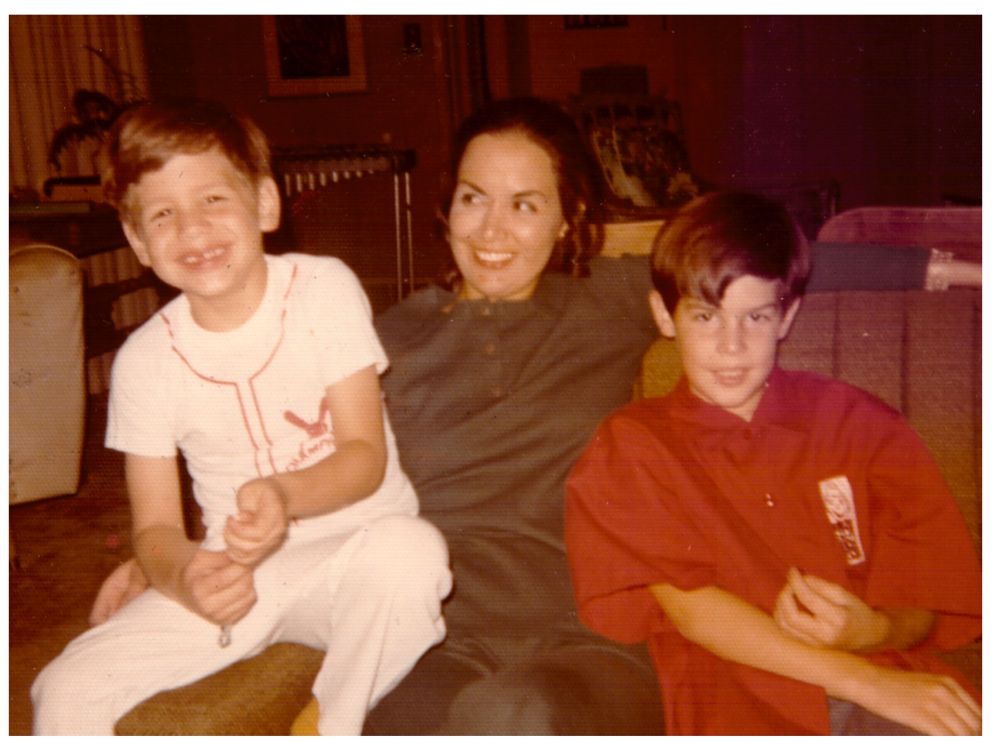
Mom Became a Full-Time Caregiver
Keeping Jess “normal” required an enormous amount of work.
If he went to a birthday party, Mom might have to make special food beforehand so he could eat something resembling what the other children were having.
At home, she adapted family meals.
She made milkless cereal.
Chocolateless treats.
Tomatoless spaghetti.
Whatever everybody else was eating, Mom tried to create some version of it that Jess could safely have.
And when my brother occasionally did what children do and ate something he wasn’t supposed to eat, Mom was there for what came next.
Rashes.
Breathing problems.
Steam baths.
Lotions.
Doctors.
Hospitals.
Fear.
And then more hugs.
More reassurance.
More attention.
More love.
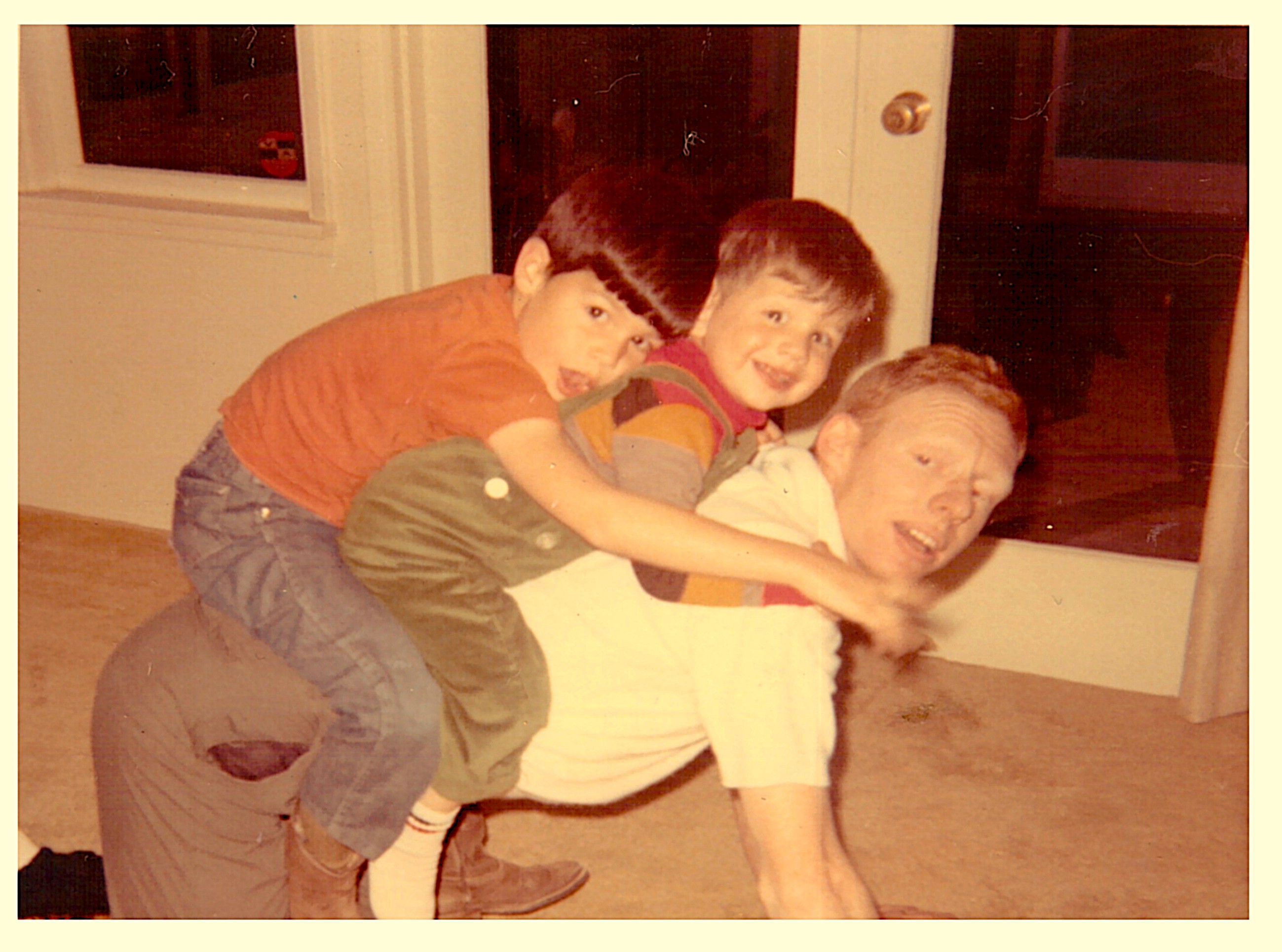
At the time, I saw my mother taking care of my brother.
What I didn’t understand was that I was also receiving an education.
I was watching how to become a caregiver.
I wouldn’t understand how important that education had been until decades later.
Did My Mother Really Love My Brother More?
Yes.
That’s still my story, and I’m sticking to it.
But I mean something very different by it now.
When I was young, I could see that my brother required more attention.
He needed more reassurance.
More protection.
More encouragement.
I didn’t.
I was healthy.
Independent.
Strong-willed.
Rebellious.
Supremely confident.
And, occasionally, a horrible little monster.
Actually, let’s eliminate “occasionally.”
My brother needed someone watching him because a cookie could send him to the hospital.
I needed someone watching me because I was probably figuring out how to get away with something.
Those are different parenting problems.
My mother responded differently to each of us because we needed different mothers.
It took me years to understand how profound that was.

THE STORIES THAT STARTED IT ALL
Mafia Hairdresser, & The Glow Stick Gods – two outrageous novels of mobsters, Hollywood, celebrities, cocaine, “Tina”, rave culture, and survival. Inspired by Jon-David’s unbelievable life.
Discover the Books →

Equal Love Isn’t Always Identical Love
As children, we’re very good at keeping score.
Who got more attention?
Who got away with something?
Who received the bigger present?
Who did Mom defend?
Who did Dad punish?
Who was the favorite?
We think fairness means equality.
But families don’t actually work that way.
One child may need more encouragement.
Another may need more independence.
One may need protection.
Another needs boundaries.
One child may require enormous amounts of medical care while another is perfectly capable of entertaining himself.
And when parents respond to those differences, children can interpret it as favoritism.
I certainly could have.
But strangely, I don’t remember resenting my mother for giving Jess the attention he needed.
Sometimes I resented Jess.
That’s different.
If a planned family outing was canceled because my brother couldn’t breathe and needed to go to the hospital, I wasn’t necessarily thinking:
“My poor brother.”
I was thinking:
“What about Disneyland?”
Empathy apparently arrived later in my development.
My Brother’s Illness Gave Me Freedom
There’s another reason I didn’t resent Mom’s attention being focused elsewhere.
I benefited tremendously from it.
While Mom was trying to keep my brother alive, maintain a household, manage the family finances, deal with my father, cook, clean, entertain and generally hold civilization together, I discovered something wonderful:
She couldn’t watch me every minute.
This was excellent news.
I was a strong-willed, independent child with a tremendous amount of energy and an unhealthy appreciation for getting away with things.
Chaos was useful.
If Mom was distracted, I could operate.
I learned how to appear as though I was following rules while quietly doing whatever I wanted.
I lied when necessary.
I dodged.
I maneuvered.
I became the Houdini of childhood mischief.
My poor mother.
She was keeping one son out of the emergency room while the other was figuring out how not to get caught.
What I Thought Was Weakness Was Something Else
I poke fun at my brother in the podcast.
I call him weak.
Feeble.
Wheezing.
Bubble Boy.
I can do that because we’re close today—and because sibling privileges should never be wasted.
But underneath the jokes is something I understand differently now.
My brother wasn’t weak.
He was vulnerable.
There’s a difference.
And my mother understood that long before I did.
She responded to vulnerability with protection.
She was good at it.
Exceptionally good.
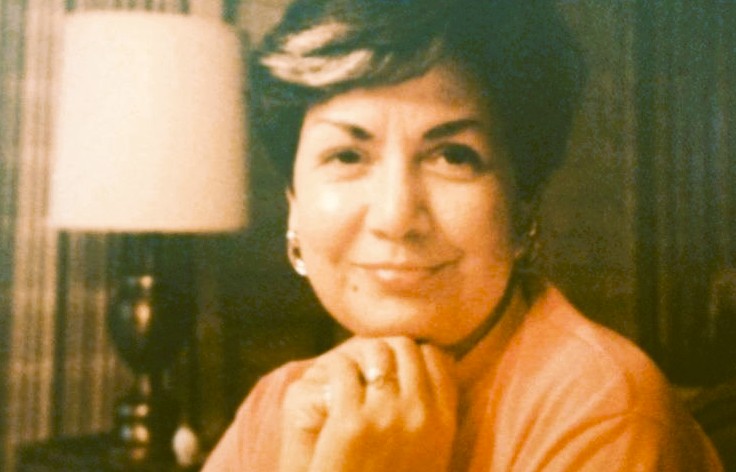
She was a caretaker by nature.
She cared for my brother.
She cared for my father.
She cared for our home.
And she cared for me—even though caring for me sometimes meant trying to prevent me from becoming a juvenile delinquent.
I grew up watching all of it without realizing I was watching anything particularly remarkable.
That’s the strange thing about childhood.
We assume whatever happens in our house is simply how the world works.
Then we grow up.
And life hands us the same job.

YES. IT’S REALLY CALLED
HOW I KILLED MY MOTHER
A funny, painful, and unexpectedly hopeful memoir podcast about mothers, sons, guilt, grief, forgiveness, and the unfinished relationships we carry with us – sometimes long after the people we love are gone.
LISTEN TO HOW I KILLED MY MOTHER→

Decades Later, Dad Needed a Caregiver
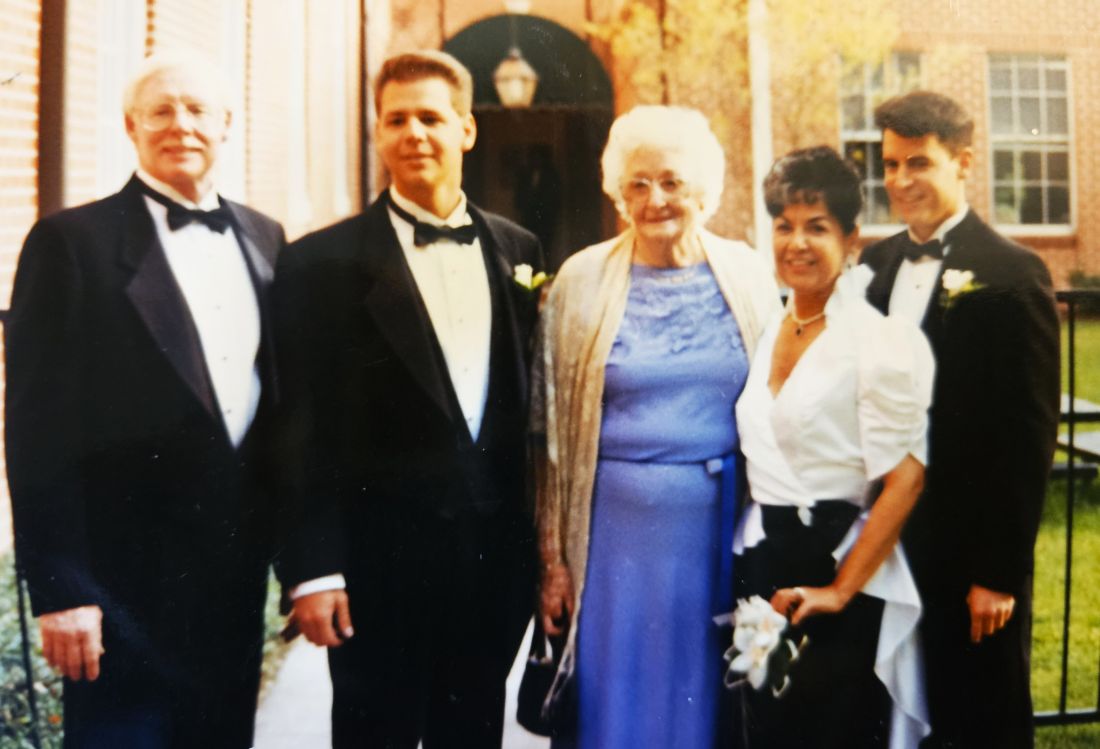
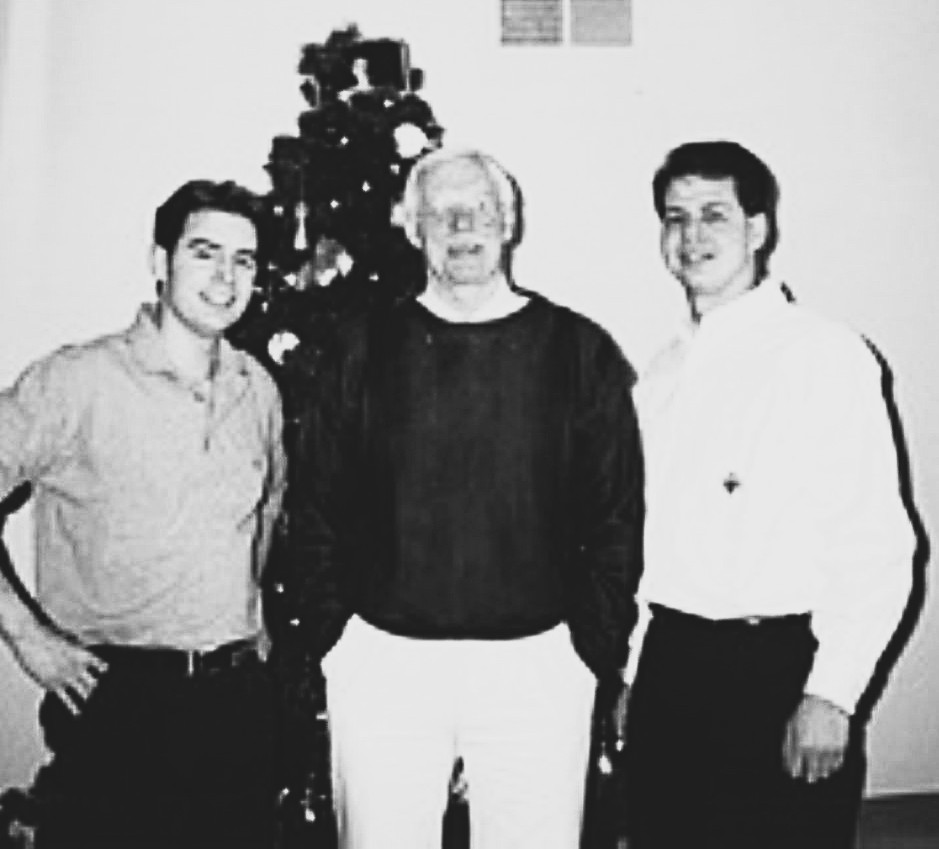
Much later in life, my father developed Parkinson’s disease.
Eventually, during the final year of his life, Dad came to live with me.
And I became his full-time caregiver in my home.
Suddenly, caregiving wasn’t something Mom did.
It was something I did.
Day after day.
The practical things.
The frustrating things.
The frightening things.
The repetitive things.
The things nobody applauds because they simply have to be done again tomorrow.
Caregiving is love expressed through action.
And sometimes that action isn’t particularly poetic.
It’s schedules.
Food.
Medicine.
Appointments.
Cleaning.
Watching.
Listening.
Repeating yourself.
Worrying.
Losing patience.
Feeling guilty because you lost patience.
Then getting up the next morning and doing it again.
And somewhere during that experience, I began to understand my mother in an entirely new way.
I Had Been Watching Her Prepare Me My Whole Childhood
Mom never sat me down and taught a class called How to Take Care of Someone You Love When It Gets Really Hard.
She demonstrated it.
I watched her alter meals so my brother could eat.
I watched her sit with him when he was sick.
I watched her manage crises.
I watched her worry.
I watched her make rules.
I watched her do what had to be done whether anyone appreciated it or not.
At the time, I was probably more interested in how her distraction might benefit me.
But apparently something registered.
Because decades later, when Dad needed me, I knew something about showing up.
I knew that love wasn’t merely a feeling.
Love could be work.
Mom taught me that.
I just didn’t know I was taking the lesson.




Connect with Us on Social Media




Caregiving Changed How We Saw Our Mother
My brother eventually learned this lesson, too.
When he became involved in caring for our father after Dad developed Parkinson’s, Jess began seeing our parents’ marriage differently.
Mom had always been the disciplinarian.
Dad was social, funny and easygoing.
Mom made rules.
Dad didn’t particularly enjoy confrontation.
From a child’s perspective, guess which parent can look like the difficult one?
But caregiving has a remarkable ability to rearrange old family stories.
My brother began dealing with some of the same behaviors in Dad that Mom had dealt with for decades.
And Jess started asking me:
“How did Mom put up with him?”
Suddenly, the woman who could once appear controlling looked different.
She looked patient.
She looked strong.
She looked committed.
She looked like a caretaker.
Mom hadn’t been trying to control everybody.
She had been trying to hold everything together.
That’s a very different story.
The Caregiver Nobody Notices
Families often have one.
The person who remembers.
The person who organizes.
The person who anticipates what might go wrong.
The person who knows which food someone can’t eat.
The person who notices the prescription is running low.
The person who makes the appointment.
The person who says no when everybody else wants to say yes.
The person who worries enough for everyone.
Sometimes that person gets called controlling.
Or nagging.
Or overprotective.
Sometimes children don’t understand the burden that person is carrying because successful caregiving can be almost invisible.
The disaster doesn’t happen.
The child doesn’t eat the dangerous food.
The appointment isn’t missed.
The bills get paid.
The household continues functioning.
Everybody survives another day.
And because nothing happened, nobody notices how much work it took to make nothing happen.
I notice now.
Life Is an Accumulation
This episode began as a funny story about my sickly little brother.
But when I look at it now, I see something much larger.
Life is an accumulation.
Knowledge.
Pain.
Love.
Mistakes.
Memory.
Lessons.
We collect them without necessarily knowing when we’ll need them.
Something you watch your mother do when you’re eight years old may become the thing you need when you’re in your sixties.
Something you resented as a child may become something you admire as an adult.
The parent you thought was giving your sibling too much attention may have been showing you what unconditional care looks like.
And the childhood you thought was simply happening to you may have been preparing you for the person you would eventually need to become.
That’s one of the reasons I’m telling these stories now.
From How I Killed My Mother to Saving the Father
Caregiving is becoming one of the threads connecting my stories.
How I Killed My Mother began as a story about my mother and became a story about forgiveness, family, spirituality and understanding myself.
My experience caring for Dad is becoming another story.
That one is called Saving the Father.
I’m still writing it, so I’m not going to pretend I know exactly what it means yet.
I’ve learned better.
But I already know that caring for my father changed the way I understood him.
It changed the way I understood my mother.
And it changed the way I understood myself.
That’s what these stories seem to do.
You begin writing about someone else.
Then somewhere along the way, you discover you’re writing about yourself.
Listen to “Bubble Boy”
Episode 3 of How I Killed My Mother, “Bubble Boy,” is about growing up with a chronically ill sibling, sibling rivalry, childhood freedom, parental sacrifice and the strange ways we learn about love without realizing we’re being taught.
It’s funny because my family was funny.
It’s raw because family is raw.
But beneath the jokes about my brother being allergic to practically everything is something I couldn’t fully understand when I was a child:
My mother was showing me how to care for another human being.
Decades later, when it was my turn, I finally understood the lesson.
“Sometimes love doesn’t look like equality. Sometimes it looks like giving each child exactly what they need.”
— Jon-David
0 Comments