
The Ones Who Got Away: Healing the Unfinished Relationships of My Life
What if the person who got away wasn’t actually the one who got away?
What if they were a teacher?
That’s one of the strangest things I discovered while writing How I Killed My Mother.
I started this memoir thinking I was going to work out my relationship with my mother.
That seemed like plenty.
Trust me.
Then something rather inconvenient happened.
Everybody else showed up.
Old loves.
Old wounds.
My father.
Versions of myself I’d left behind decades earlier.
People I thought I had forgiven.
People I thought I had forgotten.
People I thought I understood.
Apparently, I had a lot of unfinished business.
And somehow, my dead mother seemed determined to help me finish it.
Welcome to How I Killed My Mother.
I Thought This Memoir Was About My Mother
The title certainly suggests that.
And yes, How I Killed My Mother is very much about Mom.
It’s about our relationship.
Our good years.
Our terrible years.
The things I blamed her for.
The things I eventually realized I had blamed her for unfairly.
It’s about her death.
It’s about forgiveness.
It’s about the strange spiritual experiences I had involving her after she died.
But the deeper I got into writing the memoir—and then recording the podcast version—the more I realized something.
Mom wasn’t the only relationship in my life that remained unfinished.
There were others.
Quite a few, actually.
Apparently, I had been walking around for decades with an emotional filing cabinet marked:
THINGS I WILL DEAL WITH LATER.
Later finally arrived.
LISTEN: Jon-David’s outrageous serialIzed podcast of mobsters, Hollywood, hair salon life, rave culure, true crime, and unbelievable stories inspired by a life that rarely went according to plan.
Start listening to
THE MAFIA HAIRDRESSER CHRONICLES →

The Myth of “The One Who Got Away”
Most of us probably have somebody.
The person we occasionally wonder about.
What if?
What if we’d stayed together?
What if I’d been more mature?
What if he’d been more mature?
What if the timing had been different?
What if I’d made another choice?
What if he had?
Memory can be very generous to old lovers.
It edits.
It softens.
It removes some of the irritating bits.
Eventually, you’re not necessarily remembering the actual relationship anymore.
You’re remembering a beautifully restored director’s cut of it.
And because the relationship ended before you knew how the rest of the story might have unfolded, the person can become something much larger in memory.
The one who got away.
I had those.
More than one.
Then my mother started bringing them back.
Yes, I Said My Dead Mother Brought Back My Old Boyfriends
This is where How I Killed My Mother occasionally wanders into territory that sounds like science fiction.
Or spirituality.
Or coincidence.
You can decide.
I’m simply telling you what happened.
After my mother died, I began having experiences that made me believe our relationship wasn’t entirely over.
Then, while I was writing this story, people from my past began reappearing.
Not random acquaintances.
Three important loves of my life.
Men who had occupied very particular rooms in my memory for years.
Men attached to questions that had never been completely answered.
Men I could have continued romanticizing forever because I didn’t know who they had become—or who I would be with them now.
And somehow, there they were again.
Mom had a rather annoying habit of being right when she was alive.
Apparently death did nothing to discourage her.
THE STORIES THAT STARTED IT ALL
Mafia Hairdresser, & The Glow Stick Gods – two outrageous novels of mobsters, Hollywood, celebrities, cocaine, “Tina”, rave culture, and survival. Inspired by Jon-David’s unbelievable life.
Discover the Books →

Meeting an Old Love Is Like Meeting Two People
When someone you loved decades ago reappears, you’re not merely meeting that person.
You’re meeting the person you remember.
And the person standing in front of you.
Those can be two very different men.
You’re different, too.
So now there are actually four people in the room.
The person he was.
The person he is.
The person you were.
And the person you’ve become.
No wonder these encounters can be so powerful.
I wasn’t returning to those relationships in order to restart them.
I didn’t know that at first, of course.
Part of me probably wondered:
Was this the great love I somehow missed?
That’s the fantasy.
The reality was much more useful.
I was being given the opportunity to see these relationships without nostalgia controlling the lighting.
They Weren’t the Ones Who Got Away
This became one of the great revelations of writing How I Killed My Mother.
These men weren’t mistakes.
They weren’t lost opportunities.
They weren’t alternate lives I should have lived.
They were teachers.
Wonderful teachers.
Sometimes painful teachers.
Occasionally extremely attractive teachers, which can make the lesson unnecessarily confusing.
But teachers nonetheless.
Each relationship had shown me something about myself.
What I needed.
What I feared.
What I tolerated.
What I wanted.
What I thought love was.
And sometimes what I was willing to become in order to keep someone else’s love.
When I was younger, I couldn’t necessarily see those lessons.
I was too busy living them.
Years later, I could.




Connect with Us on Social Media




Closure Doesn’t Mean Erasing the Past
I used to think closure meant reaching a point where something no longer mattered.
I don’t believe that anymore.
Some people will always matter.
Some relationships permanently shape us.
Healing doesn’t require pretending they didn’t.
For me, closure became something closer to completion.
The relationship had served its purpose.
The lesson had been learned.
The story could finally have an ending.
That’s different from forgetting someone.
And it’s very different from deciding that the relationship had been a mistake.
I can love what someone meant to me without needing him back.
I can be grateful for a relationship without wishing it had lasted forever.
I can look at an old love and think:
Thank God you were in my life.
And also:
Thank God we’re not still together.
Those two statements can coexist beautifully.

YES. IT’S REALLY CALLED
HOW I KILLED MY MOTHER
A funny, painful, and unexpectedly hopeful memoir podcast about mothers, sons, guilt, grief, forgiveness, and the unfinished relationships we carry with us – sometimes long after the people we love are gone.
LISTEN TO HOW I KILLED MY MOTHER→
Seeing Them Again Healed Something in Me
Meeting these men again gave me something memory never could.
Reality.
I could see who they were now.
More importantly, I could see who I was now.
And I could finally stop wondering about imaginary futures that never happened.
The unanswered question had an answer.
They hadn’t gotten away.
Their part in my life had ended.
There’s enormous freedom in understanding that.
Because once I stopped looking backward at what might have been, I could finally ask a much more interesting question:
What would I want now?
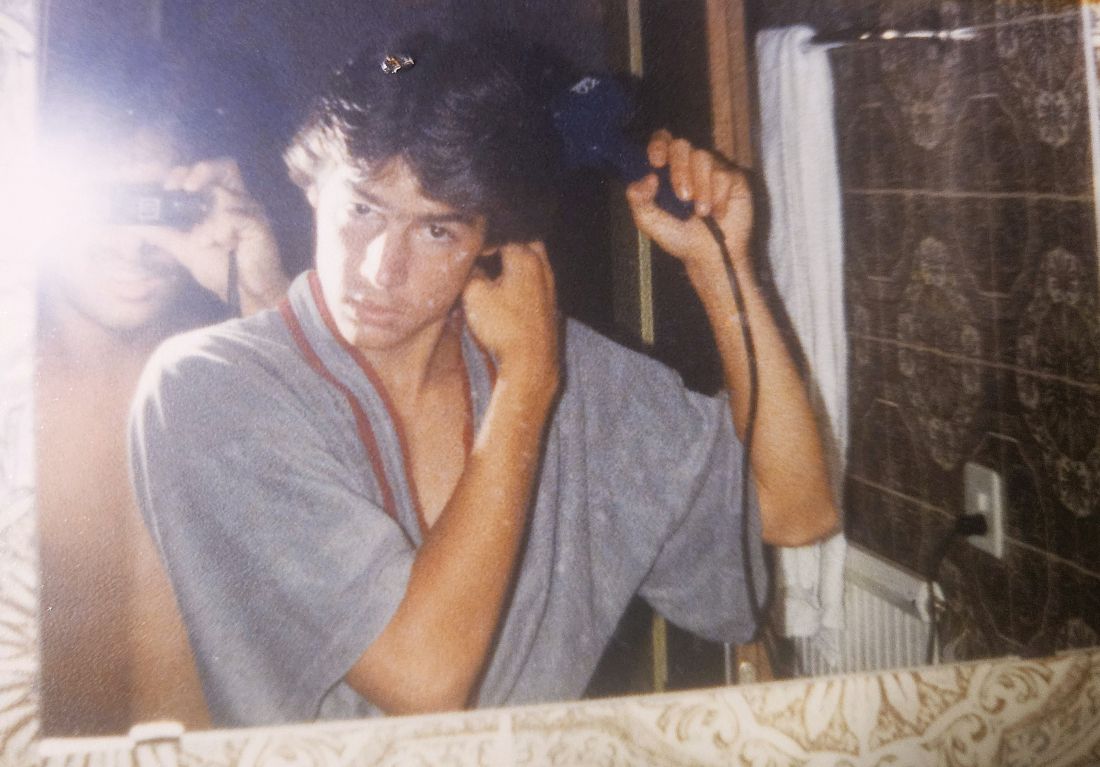
Apparently I Learned Something About Love
This is particularly amusing because the possibility of me ever having another serious relationship sounds a little like science fiction.
Ha ha ha.
Never say never, I suppose.
But revisiting these relationships showed me something useful whether I ever fall in love again or not.
I know much more clearly what I wouldn’t want.
That’s progress.
When we’re young, we tend to define relationships by attraction.
Chemistry.
Excitement.
Drama.
Desire.
Potential.
Sometimes we’re so determined to make a relationship work that we spend years trying to turn another person into someone capable of giving us what we need.
Or turning ourselves into somebody who doesn’t need it.
Age has made me considerably less ambitious.
If love ever comes around again, I don’t need to remodel anybody.
And I’m certainly not interested in being remodeled myself.
I think that’s one of the gifts these old loves gave me.
They taught me what love had been.
Meeting them again helped me understand what love would have to be now.
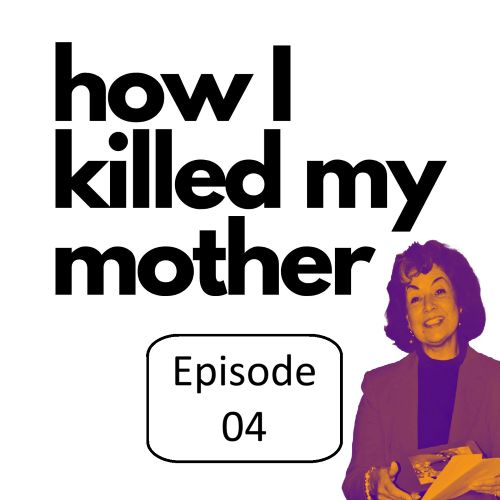
Episode 4: “All About Me”
This is why Episode 4 of How I Killed My Mother, “All About Me,” is more important than its cheeky title suggests.
Yes, it’s about me.
My confidence. My charm. My ego. My independence. My ambition. My childhood.
The personality traits that eventually helped create the Mafia Hairdresser.
On the surface, I’m asking:
Was I born this confident, or did my parents accidentally create me?
But underneath that question is another one: How did I become this person?
That’s really what memoir asks us to do.
Not simply: What happened to me?
But: What did what happened to me make me believe about myself?
And eventually: Do I still believe it?
Then There’s Kyle
And Episode 4 begins opening another door.
Kyle.
I’m not going to tell you his whole story here.
That’s what the podcast is for.
But Kyle becomes important because he represents something larger than an old boyfriend.
He becomes part of the emotional archaeology of this memoir.
I had to go back.
Not physically at first.
Emotionally.
I had to look at who I had been when I loved him.
What I believed love was.
What I believed about myself.
What I carried forward from that relationship.
And what I had never actually finished.
Kyle wouldn’t be the only one.
That was the surprise.
Every Important Relationship Was Still Unfinished
The further I got into How I Killed My Mother, the more people seemed to be waiting for me.
My mother.
Kyle.
Chuck.
My father.
Other loves.
And eventually, myself.
That’s when I began understanding that the title of this memoir tells only part of the story.
I thought I was writing about healing my relationship with my mother.
Instead, Mom seemed to be walking me through the unfinished relationships of my entire life.
Some of that happened through memory.
Some happened through writing.
Some happened through actual reunions.
And some of it happened through experiences involving my mother after her death that I still can’t entirely explain.
You can call those experiences spiritual.
Coincidental.
Psychological.
Woo-woo.
Whatever makes you comfortable.
I know what they meant to me.
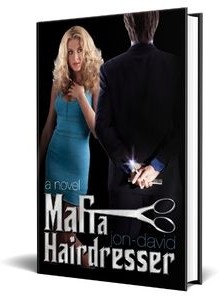
WHAT HAPPENS WHEN A HAIRDRESSER GETS MIXED UP WITH THE MOB?
Mafia Hairdresser is the outrageous, dark funny novel inspired by Jon-David’s real-life adventures in the 1980’s in L.A. – where big hair, Hollywood, cocaine, movie studios, a hairdresser and organized crime collide.
Discover the Book Today! →
Writing Can Change a Memory
One of the reasons writing this memoir became so cathartic is that writing forces you to slow a memory down.
You can’t just say:
“He broke my heart.”
You have to write what happened.
What did he say?
What did I say?
What happened before that?
What did I expect?
What did he expect?
What did I know then?
What do I know now?
And suddenly a memory you’ve carried around as a single emotional statement for 30 or 40 years begins breaking apart.
There are details.
Contradictions.
Motivations.
Your own behavior.
That’s the irritating part.
Memoir doesn’t only make other people explain themselves.
If you’re doing it properly, eventually you have to explain yourself.
That’s where the healing began for me.
Recording the Podcast Changed It Again
Then I had to say these stories out loud.
That’s different.
Writing something privately is one thing.
Sitting behind a microphone and speaking it into existence is another.
I could hear my own story.
I could hear where I was angry.
I could hear where I was still hurt.
I could hear where something had become funny.
And I could hear when I had finally forgiven someone.
Sometimes that someone was me.
That’s why How I Killed My Mother changed while I was creating it.
I wasn’t standing at the end of the journey reporting what I had learned.
I was learning it while I was telling you.
The listener gets to come along while it happens.
Maybe That’s What Healing a Past Relationship Means
You may never see your old love again.
You may never get an apology.
You may never be able to say what you wish you’d said.
The person may be gone.
They may have died.
They may have moved on.
They may simply have no interest in participating in your emotional resolution.
That’s okay.
Because completing a relationship doesn’t necessarily require the other person’s participation.
Sometimes it requires understanding what the relationship taught you.
Sometimes it means finally seeing the person as they actually were instead of who you needed them to be.
Sometimes it means forgiving them.
Sometimes it means forgiving yourself.
And sometimes it means being able to look backward with gratitude without wanting to go backward.
That’s where I eventually arrived.
The Memoir I Didn’t Know I Was Writing
I started writing How I Killed My Mother because I thought I had unfinished business with my mother.
I did.
But Mom was apparently just the beginning.
The memoir became a reckoning with the relationships that had made me who I am.
Parents.
Lovers.
Family.
And myself.
Perhaps that’s why writing it changed me.
The past didn’t change.
My relationship to the past changed.
And maybe that’s as close to time travel as we’re going to get.
Although if my dead mother keeps arranging reunions with old boyfriends, I’m leaving the science-fiction category open.
Listen to How I Killed My Mother
Episode 4, “All About Me,” begins exploring how my parents, childhood, confidence, ego, independence and experiences created the person who would eventually become the Mafia Hairdresser—and the man who would decades later sit down to reconsider his entire life.
But keep listening. Because the people who shaped that life aren’t finished with this story yet. Neither is Mom.
How I Killed My Mother is a memoir podcast about family, forgiveness, old loves, spirituality, caregiving, humor, death, personal growth and discovering that sometimes we have to revisit our past before we’re finally free to stop living in it.
And somewhere along the way, I discovered the hidden thesis of the whole thing:
Every important relationship in my life remained unfinished until I began writing this memoir.
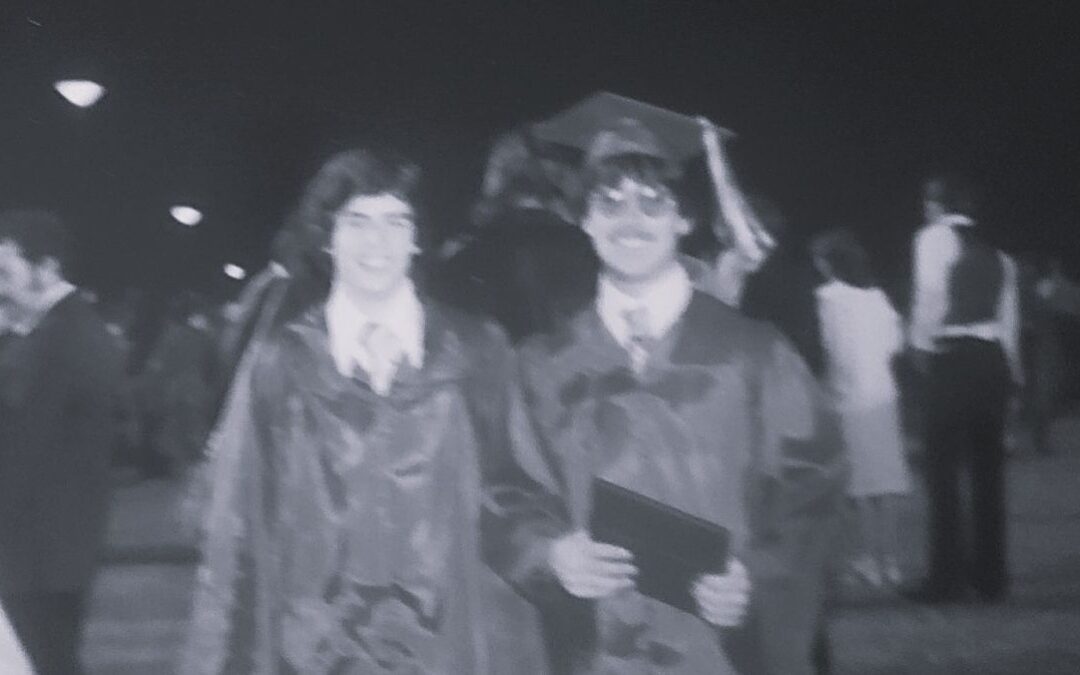
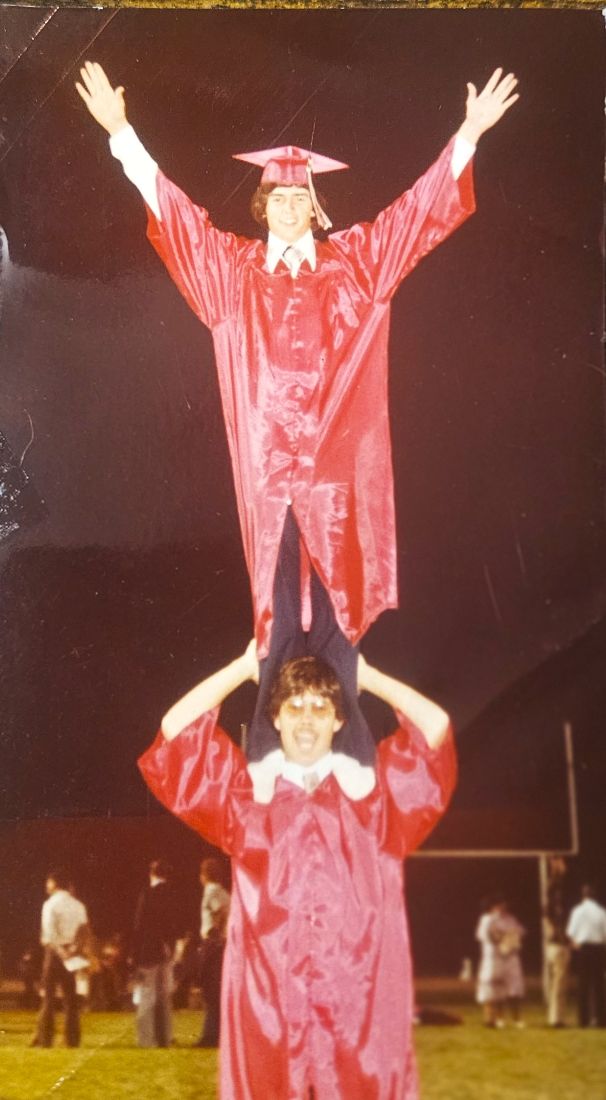
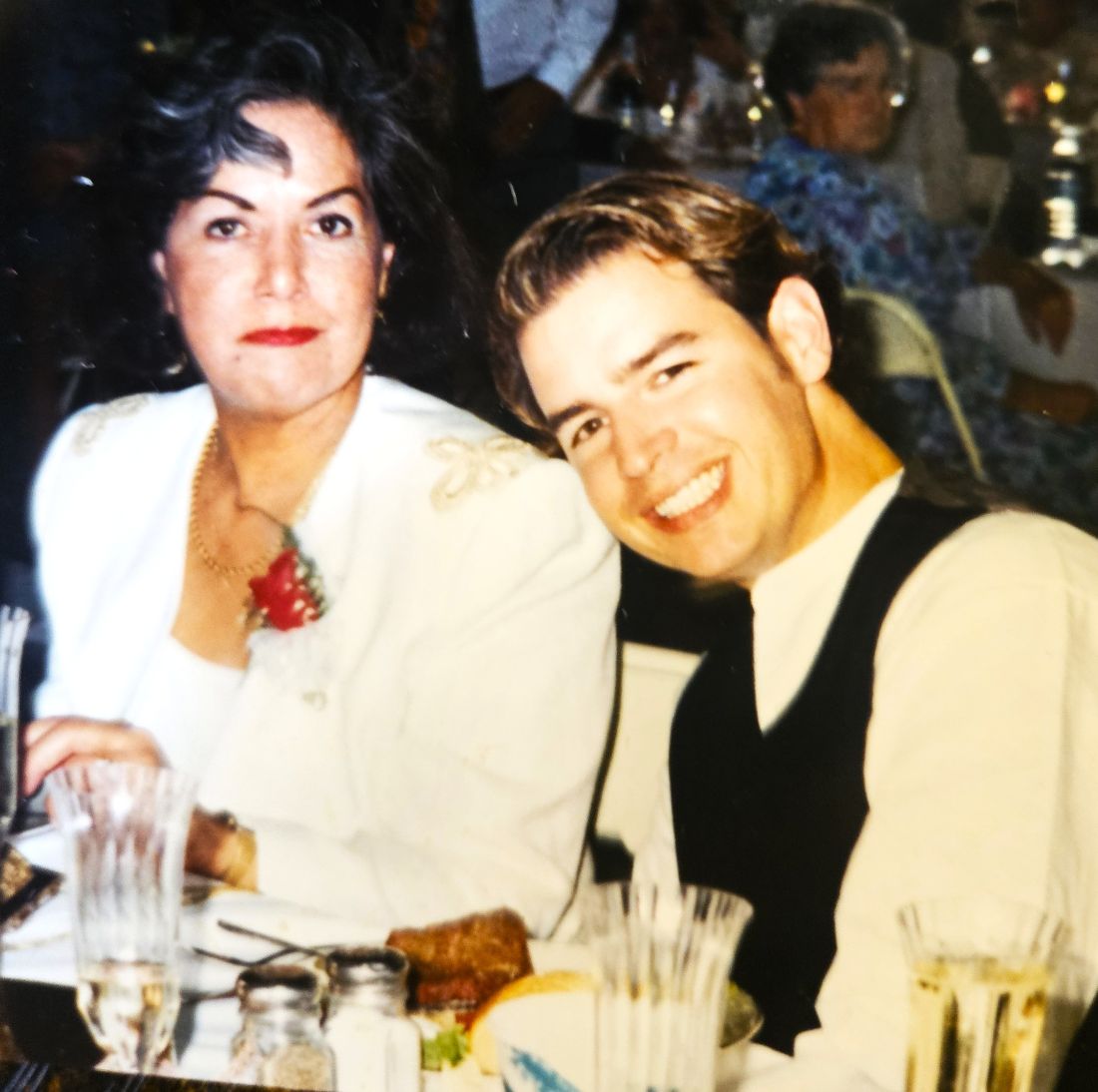
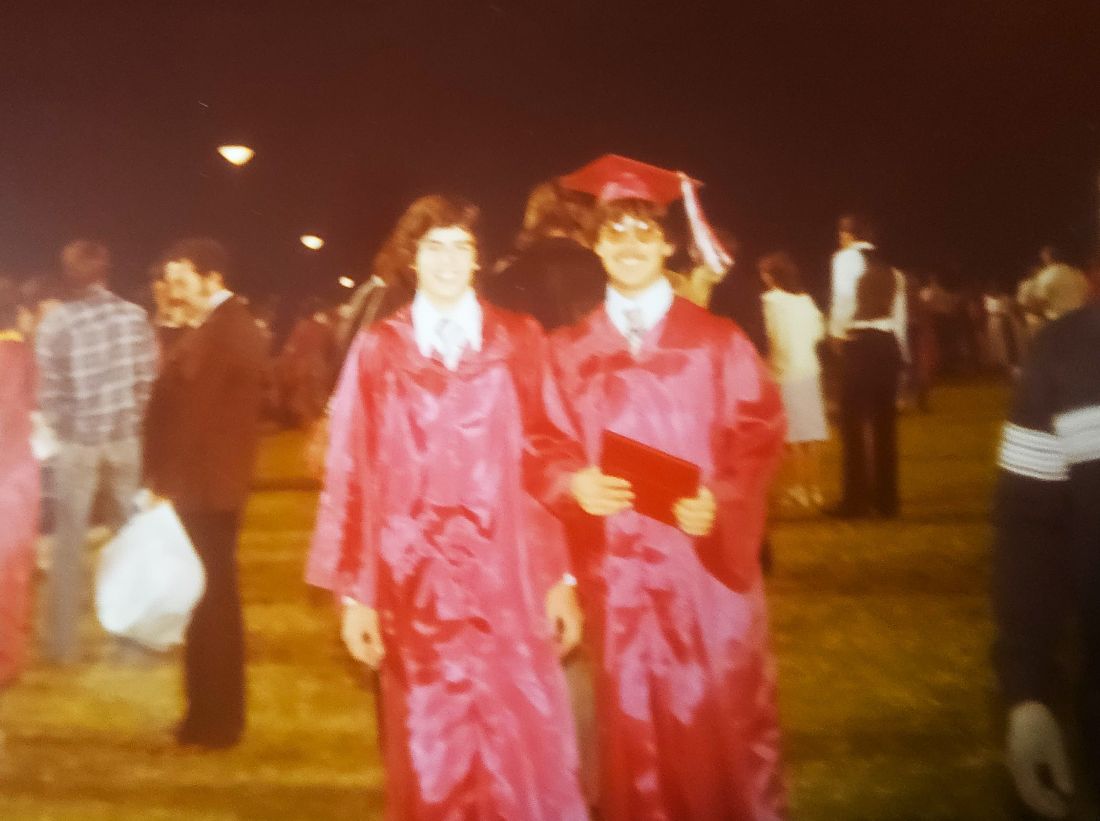
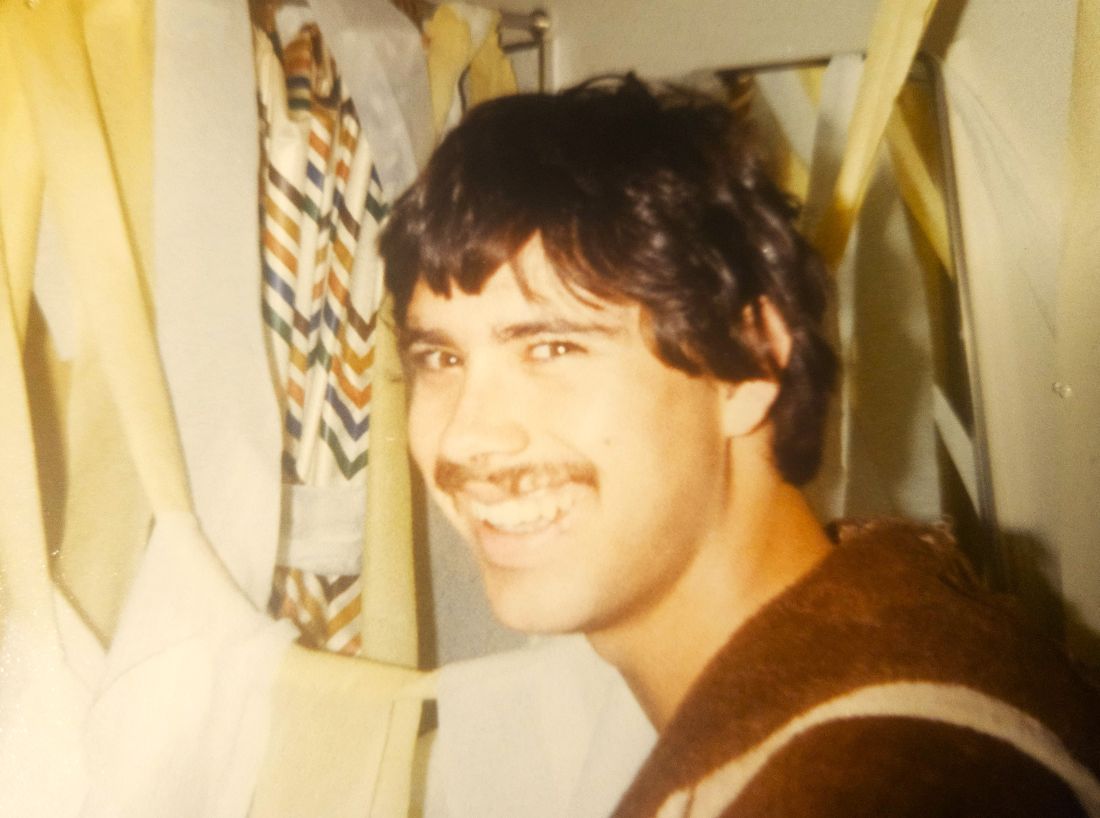
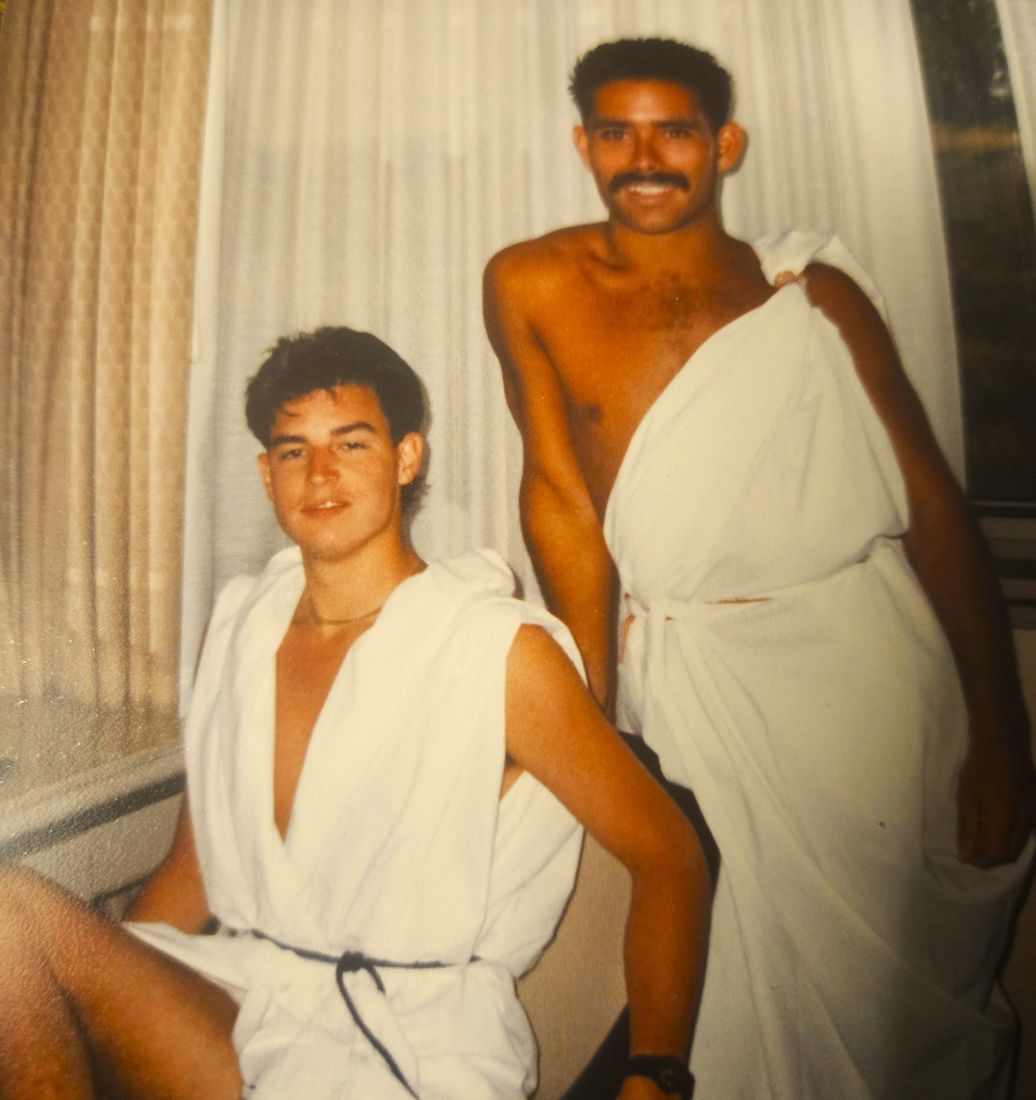
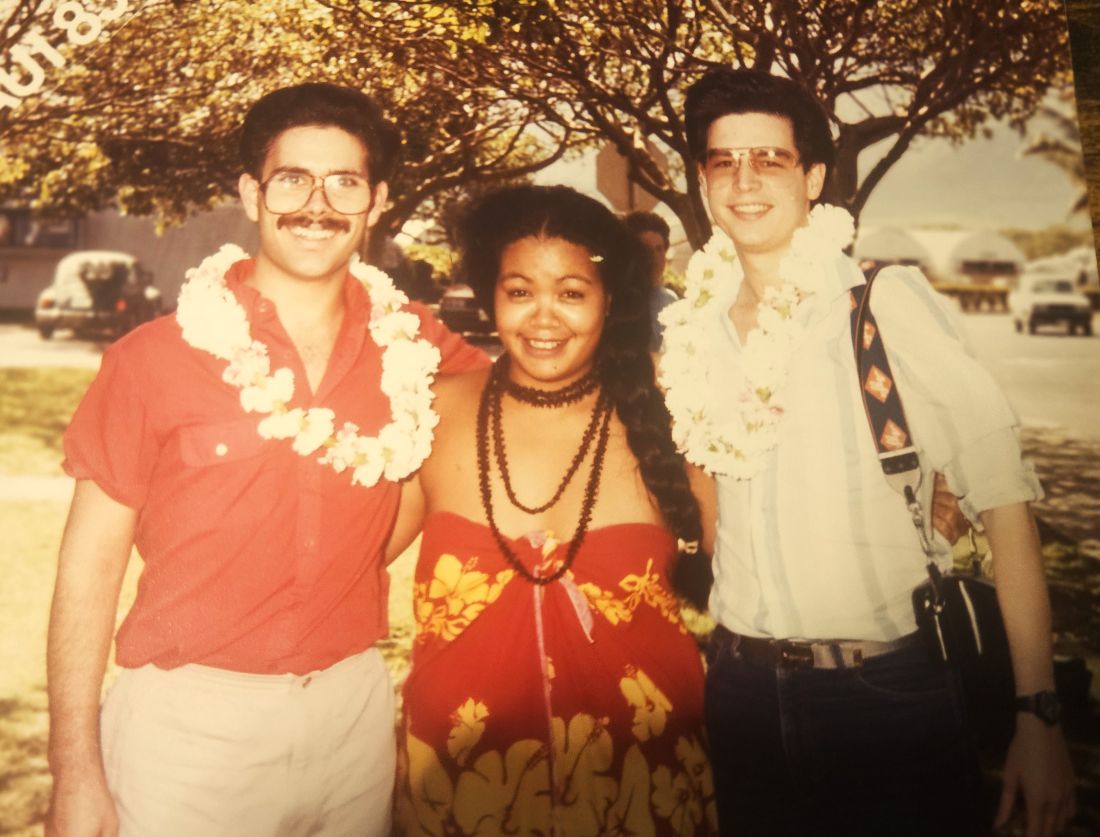
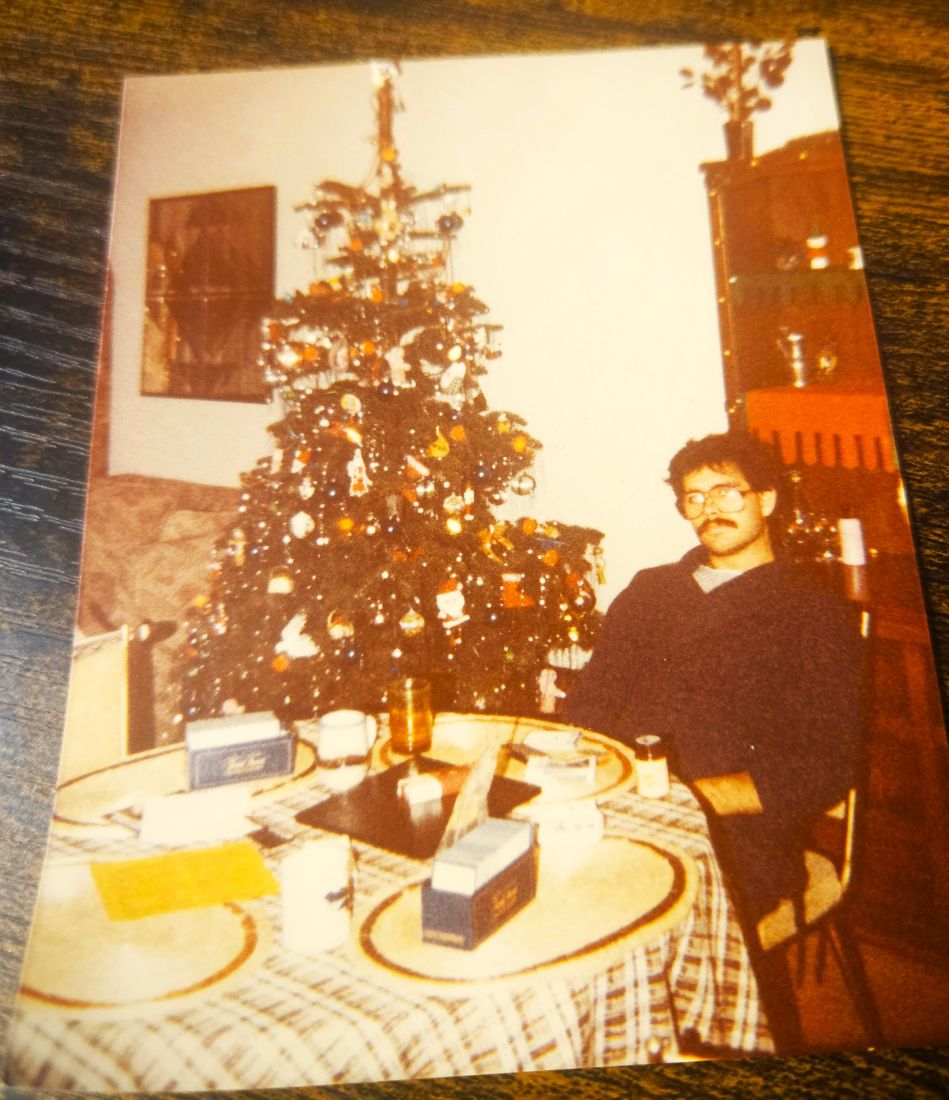
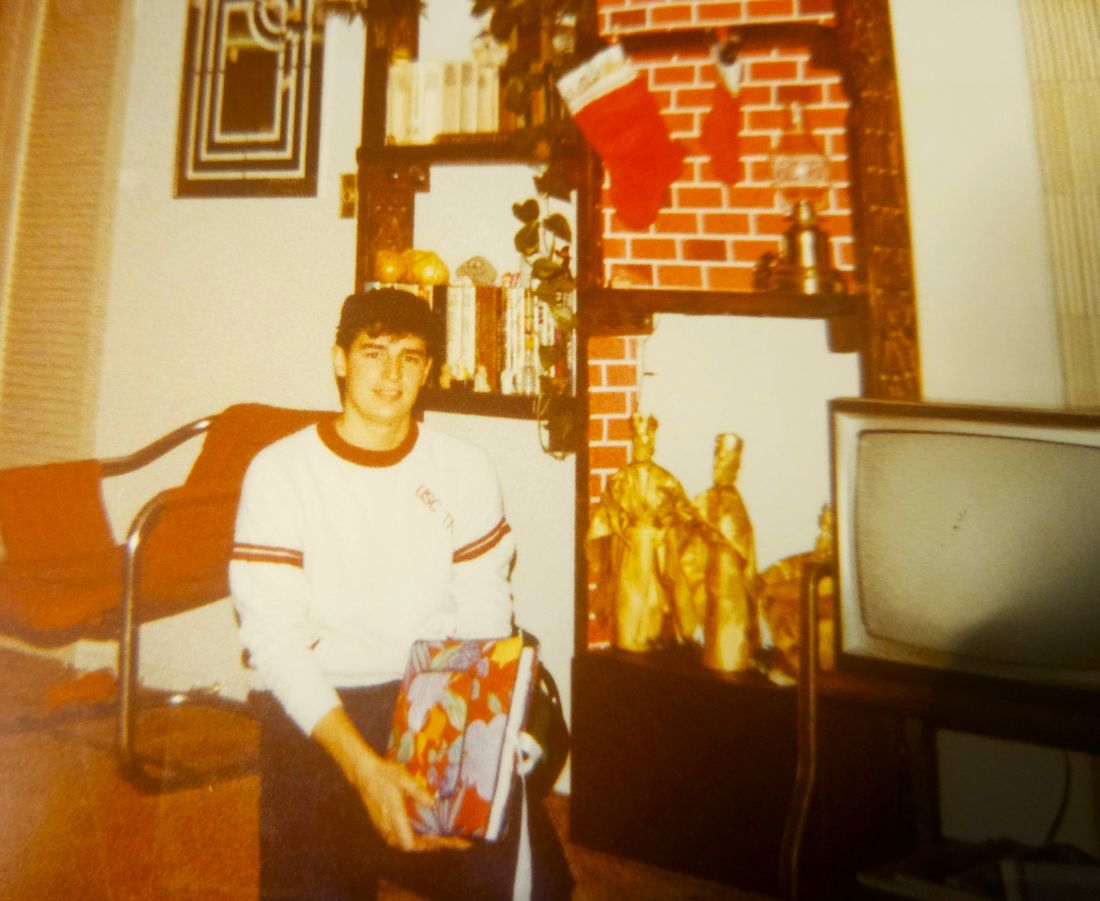
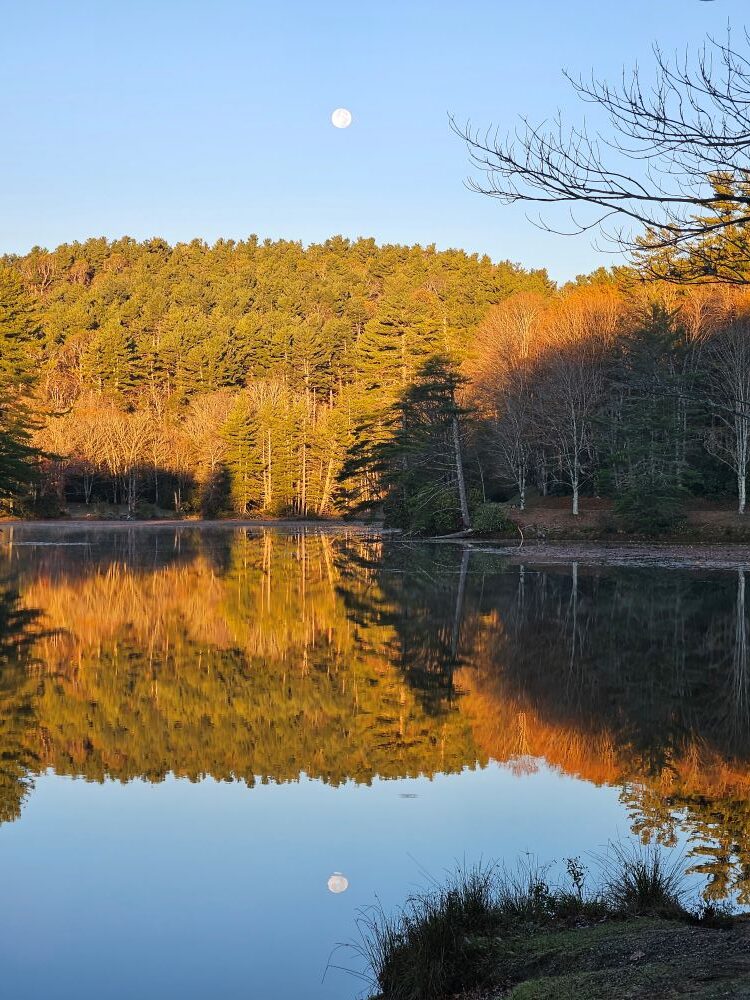
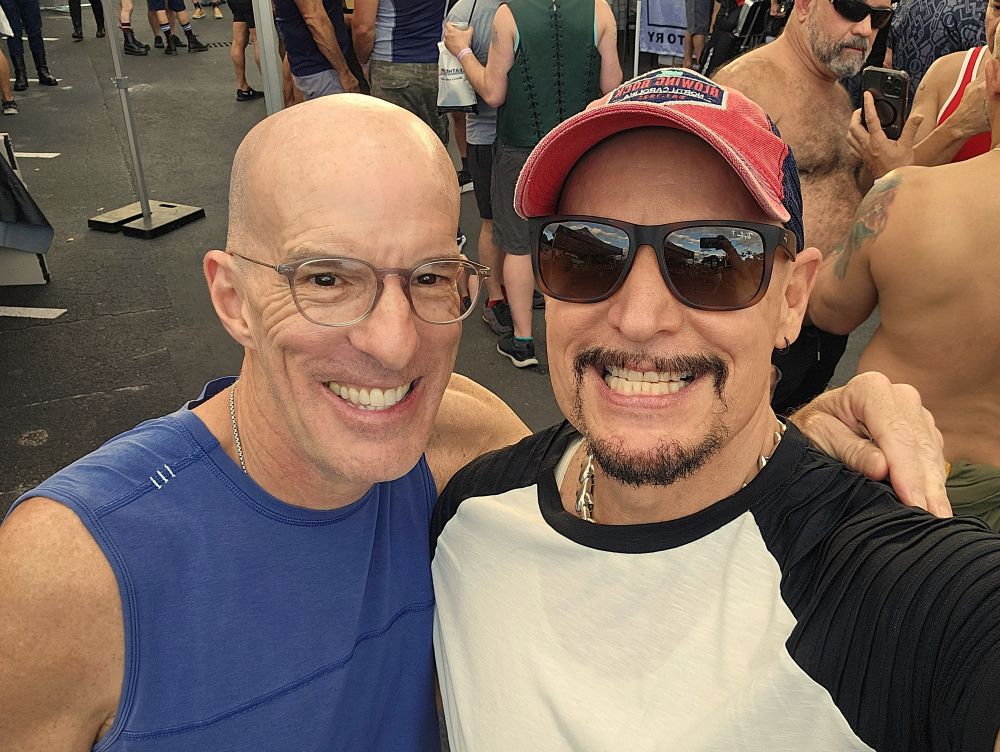
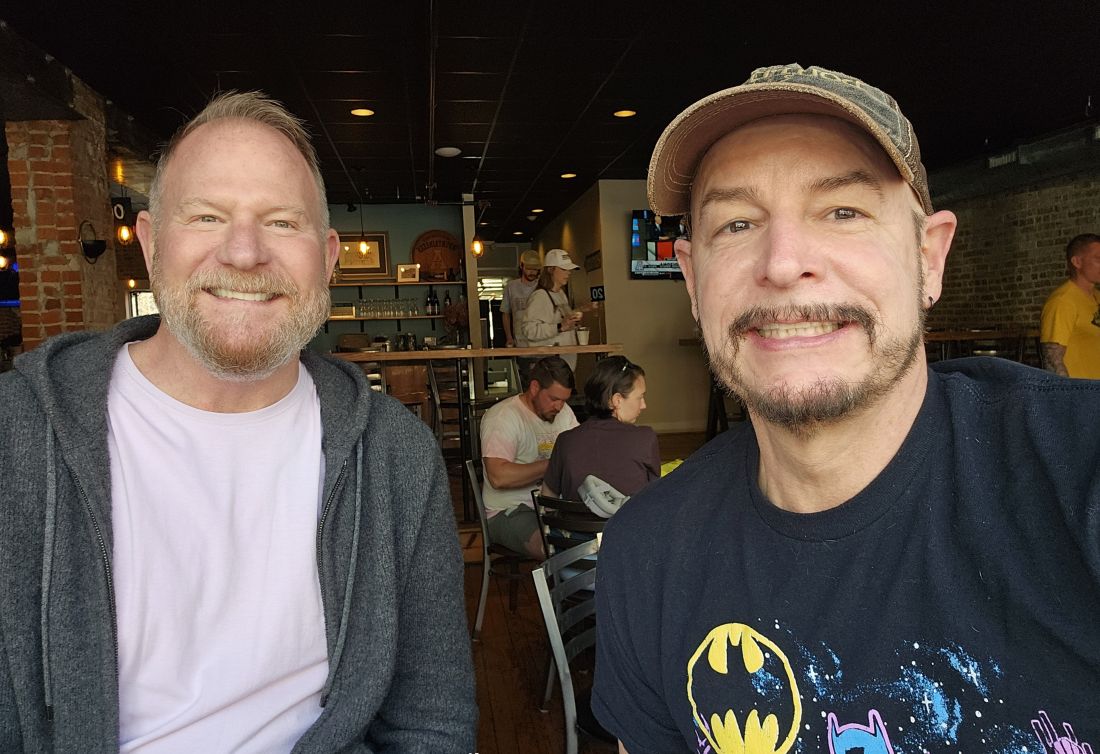
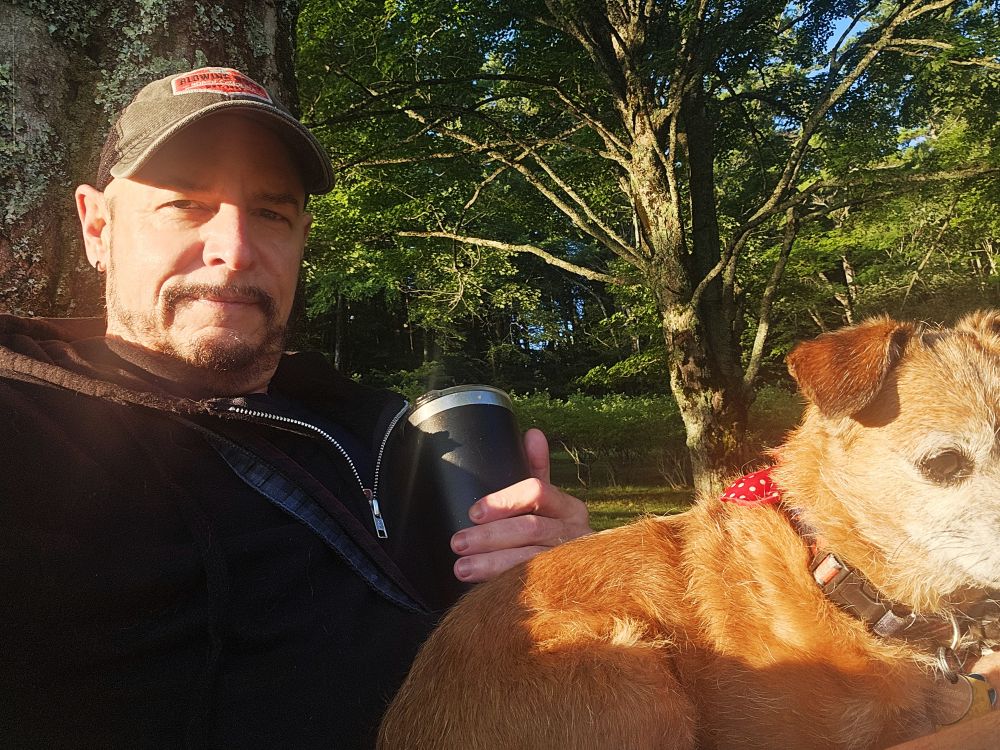
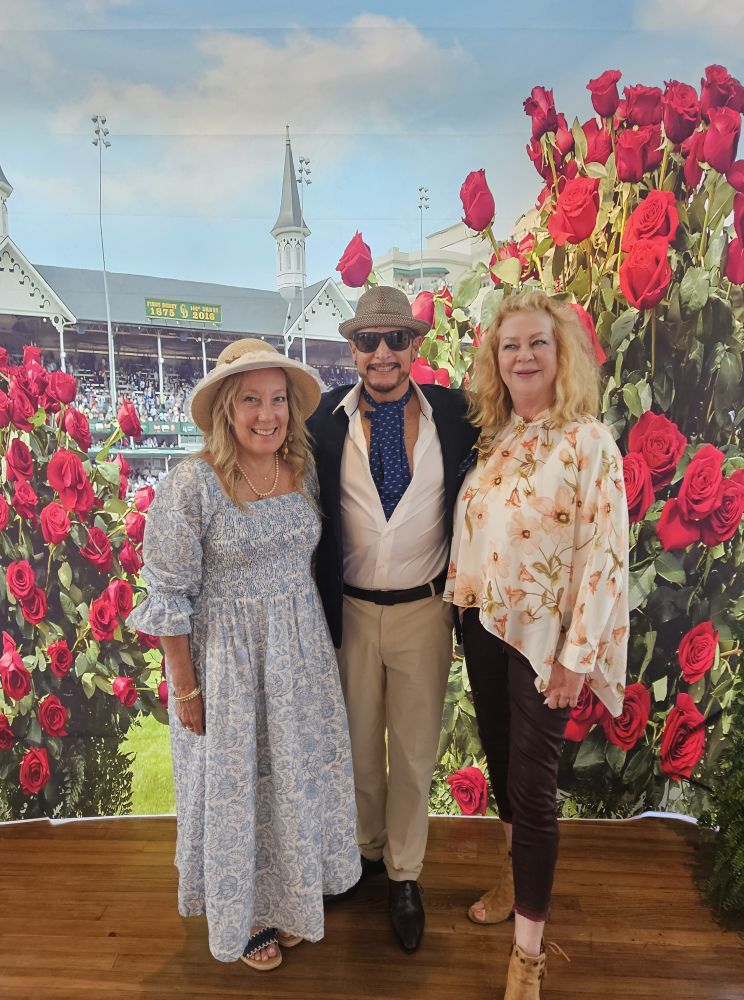
My mother. Kyle. Chuck. My father. Even myself. (All pics are of Chuck and me on this page.)
Maybe that’s why this podcast changed me while I was writing it. It stopped being a memoir about one relationship.
It became a memoir about completing all the relationships I’d left emotionally unfinished.
“Sometimes our greatest strengths begin as childhood survival skills.”— Jon-David
0 Comments