
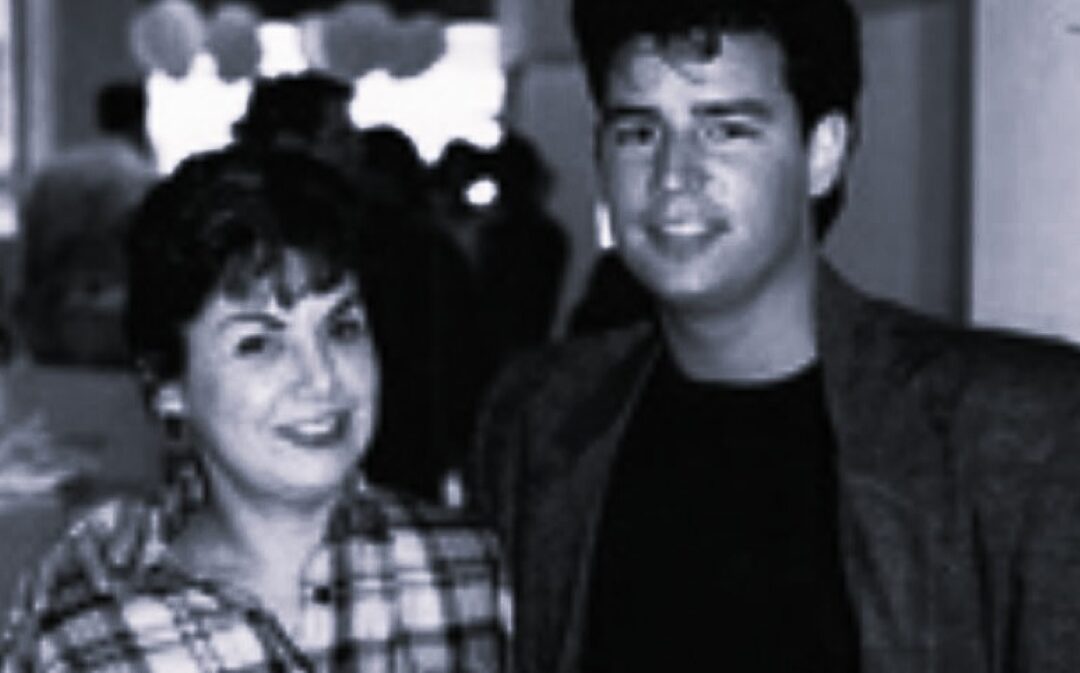
Meet My Mom: Understanding the Woman Who Shaped My Life
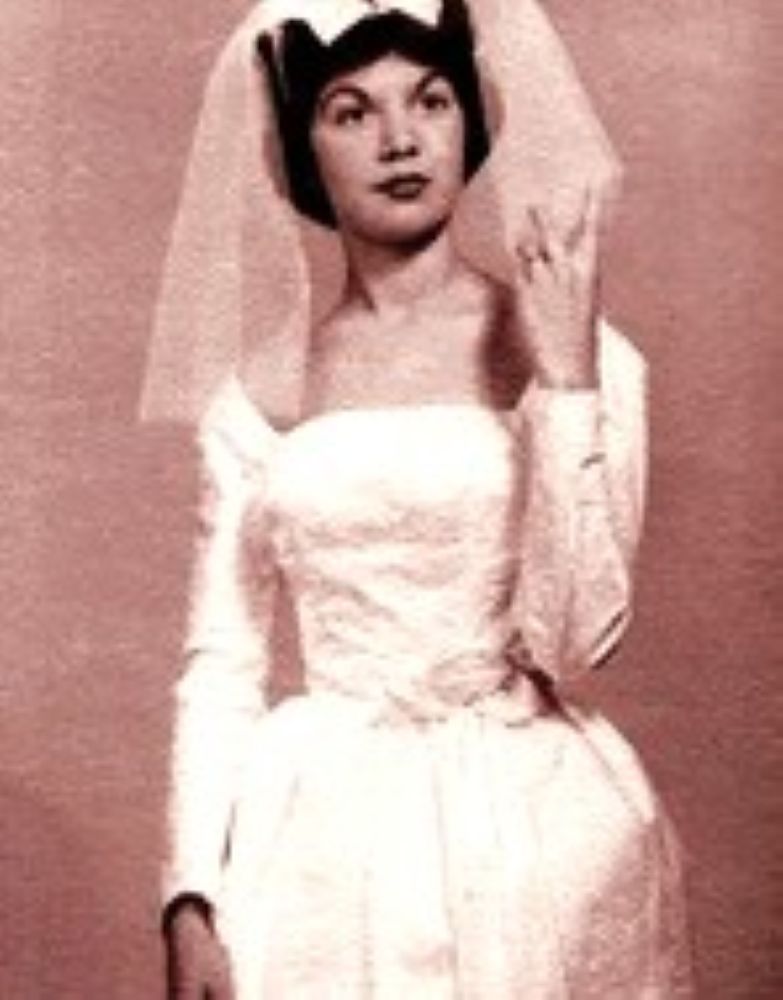
Before you can understand how I helped my mother die, you first have to meet the remarkable woman who taught me how to live.
Fortunately—or perhaps unfortunately for my mother—I left myself some very good evidence of exactly how I once felt about her.
I wrote a book.
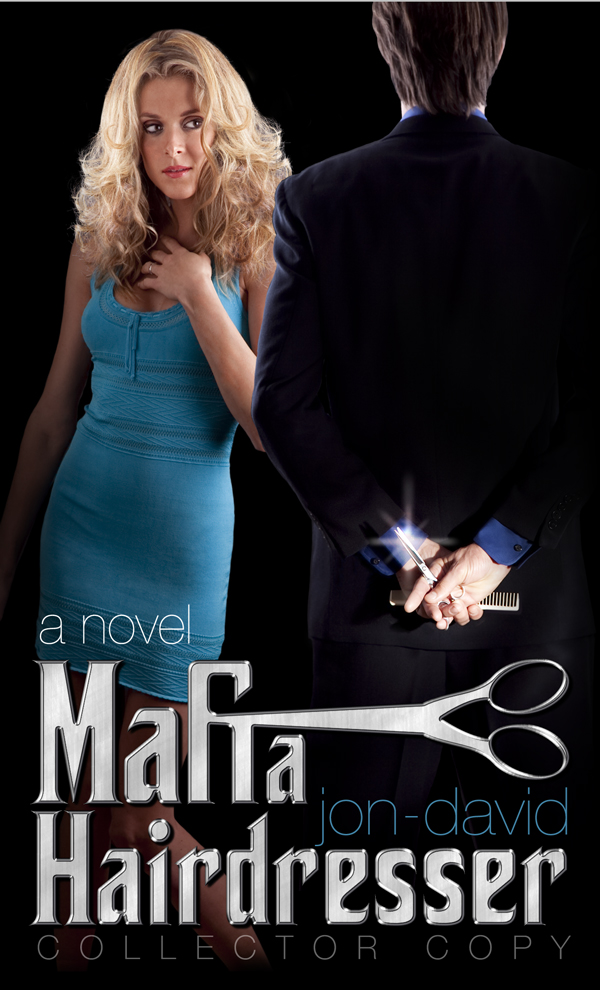
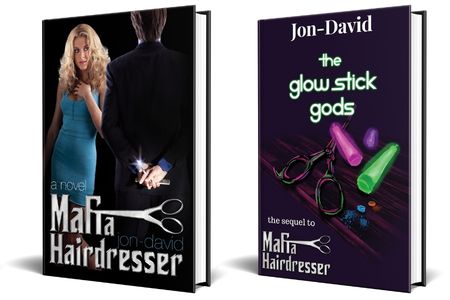
Years before How I Killed My Mother became a podcast or an upcoming memoir, my mother was already one of the biggest characters in my most popular book, Mafia Hairdresser.
And I didn’t exactly go easy on her.
I described her well.
I described our arguments. Her personality. Her decisions. The things she did that drove me crazy. The things I blamed her for.
In some places, I practically vilified her.
At the time, I thought I was simply telling the truth.
Years later, I discovered something fascinating:
Time doesn’t necessarily change what happened. It changes our ability to understand what happened.
And sometimes that creates an entirely different truth.
The Mother I Wrote About in Mafia Hairdresser
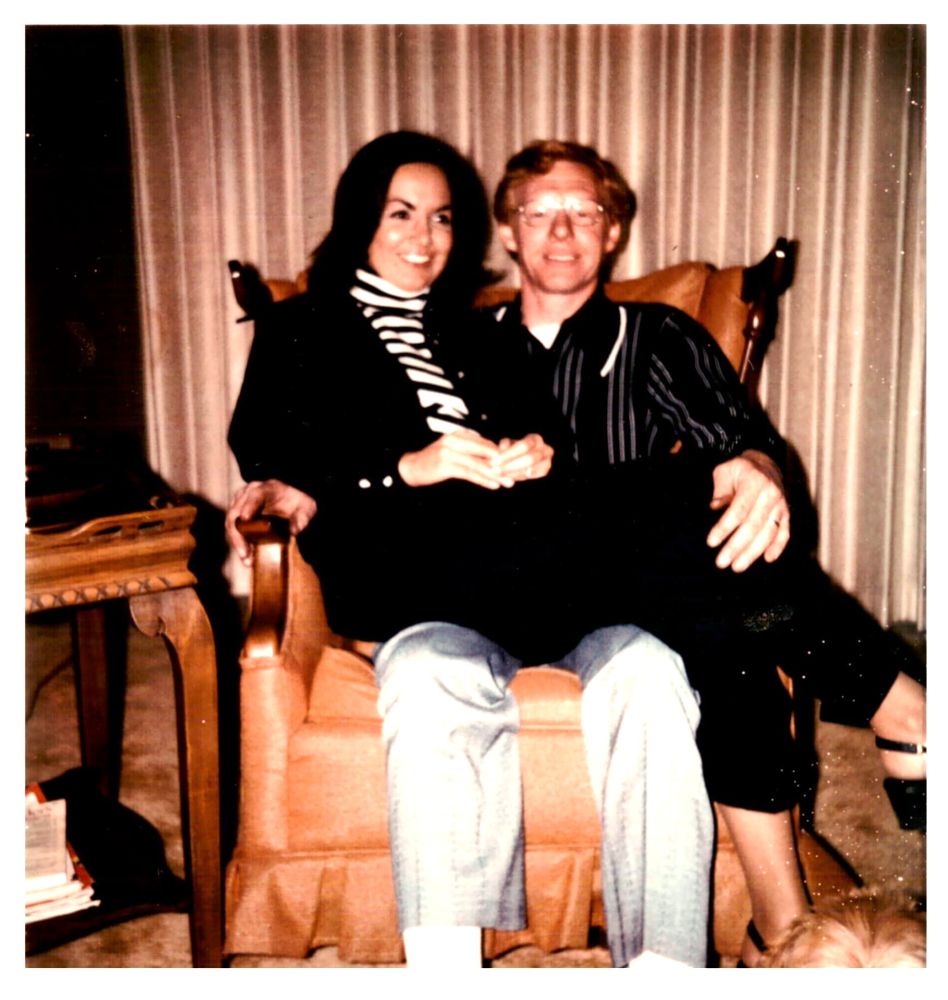
Mafia Hairdresser was based on events and people from my life, which meant that when I wrote about my mother, I wasn’t inventing a fictional mother.
I was writing about my mother as I understood her at that particular time in my life.
That’s an important distinction.
Because I had a terrific memory of our bad years.
I remembered what she said.
I remembered what I said.
I remembered how angry I was.
Most importantly, I remembered how I felt.
Those memories eventually became an unexpected gift when I began creating How I Killed My Mother.
I didn’t have to reconstruct the younger Jon-David’s relationship with his mother entirely from memory.
He had already written it down.
There he was.
Angry.
Funny.
Hurt.
Self-righteous.
Certain.
And there was Mom, too—or at least the version of Mom that I saw then.
That gave me something incredibly valuable as a writer.
I could compare the truth I believed then with the truth I understand now.
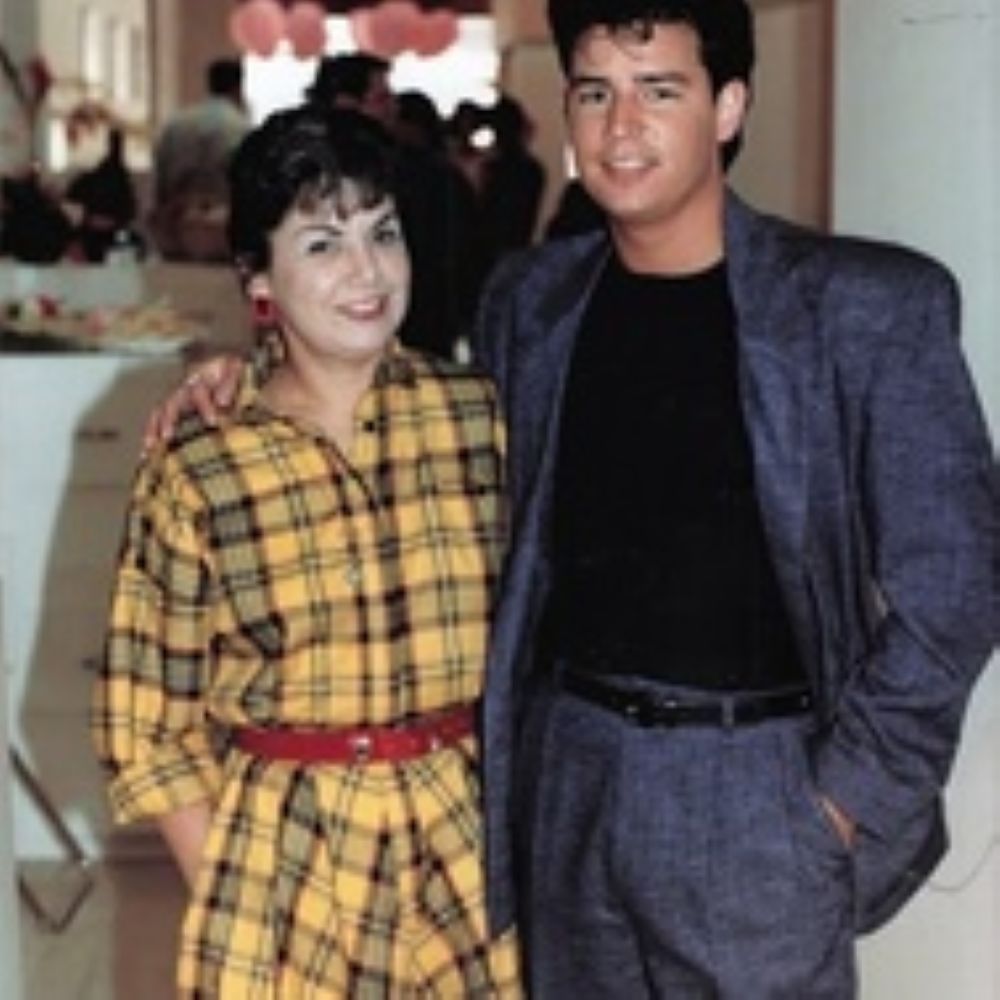
LISTEN: Jon-David’s outrageous serialIzed podcast of mobsters, Hollywood, hair salon life, rave culure, true crime, and unbelievable stories inspired by a life that rarely went according to plan.
Start listening to
THE MAFIA HAIRDRESSER CHRONICLES →

Memory Is Honest. But Is It Always True?
This became one of the great surprises of writing How I Killed My Mother.
I don’t think my younger self was lying about my mother.
I think he was telling the truth.
His truth.
He was describing events through his own hurt, expectations, disappointments, anger, age, and understanding of the world.
That’s what all of us do.
We remember our childhoods from the perspective of the child who lived them.
Mom did this to me.
Dad wouldn’t let me do that.
They didn’t understand me.
They should have known better.
And sometimes they absolutely should have.
Parents make mistakes.
But something happens if we’re lucky enough to live long enough and remain curious enough about ourselves.
We begin seeing our parents as people.
My Mother Was a Human Being Before She Was My Mother
This sounds ridiculously obvious.
Of course my mother was a human being.
But children don’t necessarily experience their parents that way.
To us, they’re Mom and Dad.
Those are enormous titles.
Mom is supposed to know.
Mom is supposed to protect us.
Mom is supposed to make the correct decision.
Mom is supposed to somehow have already figured out everything that we ourselves may spend the next 60 years trying to understand.
Eventually, I realized that my mother had been making parental decisions based on what she knew.
Her upbringing.
Her family.
Her culture.
Her experiences.
Her fears.
Her hopes for her children.
And where she happened to be in her own emotional and spiritual growth at that moment.
She wasn’t standing at the end of her life looking backward with all the wisdom she would eventually acquire.
She was living it.
Just like I am.
She was human, as I am human.
That realization changed our entire story for me.
THE STORIES THAT STARTED IT ALL
Mafia Hairdresser, & The Glow Stick Gods – two outrageous novels of mobsters, Hollywood, celebrities, cocaine, “Tina”, rave culture, and survival. Inspired by Jon-David’s unbelievable life.
Discover the Books →

I Had to Look at My Part, Too
There’s another uncomfortable part of personal growth.
Eventually you run out of other people to blame.
That’s terribly inconvenient.
For years, I could tell stories about what my mother had done wrong.
Then I started looking at what I had done.
What had I brought into our arguments?
What had I expected from her?
How had my anger affected her?
How stubborn had I been?
How much of the story I had been telling myself depended upon me being the injured party and her being the villain?
That doesn’t mean everything becomes 50/50.
Relationships aren’t mathematics.
It means I eventually understood that during our difficult years, I had participated in the difficulty.
That was cathartic.
It was also humbling.
Because forgiveness becomes a very different exercise when you realize you’re not simply forgiving another person.
You may need to ask forgiveness yourself.
And sometimes the person you most need to forgive is the younger version of you who simply didn’t know any better yet.
Writing About My Mother Became Catharsis
This is one reason storytelling has been so important in my life.
When I wrote Mafia Hairdresser, I was working something out without necessarily realizing I was working it out.
Then the years passed.
My relationship with my mother changed.
I changed.
She changed.
Life happened.
Eventually she died.
And years after her death, I sat down again and started writing about us.
Only this time, something was different.
I wasn’t trying to prove that I had been right.
I wanted to understand what had happened.
That’s a very different reason to tell a story.
And that is where How I Killed My Mother really began to become something larger than a collection of memories.
Writing became catharsis.
The podcast became a way of examining the stories I’d told about myself and my family for decades.
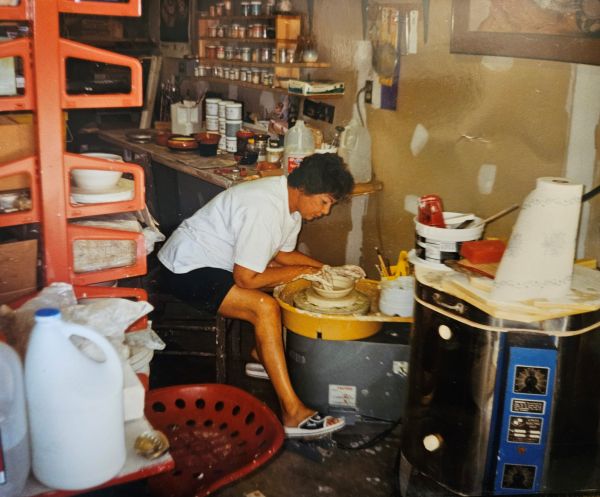
And Mom—the woman I had once been so willing to blame—began looking very different to me.

Reality and Time Build a Different Truth
I keep coming back to that idea.
Reality and time build a different truth.
Not necessarily a more factual truth.
The facts may remain exactly the same.
But perspective changes their meaning.
Something your mother said when you were 20 may sound completely different when you’re 60.
A decision that seemed unforgivable when you were young may suddenly make sense after you’ve had to make difficult decisions yourself.
You begin to understand that your parents were improvising.
They didn’t have the script either.
And perhaps one of the strange gifts of getting older is finally being able to meet your parents not simply as your parents, but as fellow human beings.
Flawed.
Complicated.
Funny.
Frightened.
Hopeful.
Sometimes wrong.
Sometimes remarkably right.
And doing the best they knew how to do at the time.

YES. IT’S REALLY CALLED
HOW I KILLED MY MOTHER
A funny, painful, and unexpectedly hopeful memoir podcast about mothers, sons, guilt, grief, forgiveness, and the unfinished relationships we carry with us – sometimes long after the people we love are gone.
LISTEN TO HOW I KILLED MY MOTHER→
I Was Lucky
After everything I’ve written about my family, this is one of the simplest conclusions I’ve reached:
I had two excellent parents.
I am extraordinarily thankful for that.
That doesn’t mean we had perfect relationships.
Quite the opposite.
Perfect relationships don’t teach writers very much.
Mom gave me plenty to write about.
So did Dad.
In fact, my father will eventually get his own podcast: Saving the Father.
I can’t tell you exactly what that story will become yet because I’m still writing it.
I’ve learned not to decide what one of these stories means before I finish telling it.
I thought How I Killed My Mother was going to be about my mother.
Then it became a story about me.
I suspect Saving the Father will do something similar.
I already know it involves a complicated father-son relationship, caregiving, aging, love, and personal growth on my part.
And I know I see my father differently now than I did before I began that journey.
But I’m going to let the story tell me what it’s about.
That’s how this seems to work.
Why I Want You to Meet My Mom
That’s why this episode of How I Killed My Mother matters so much to me.
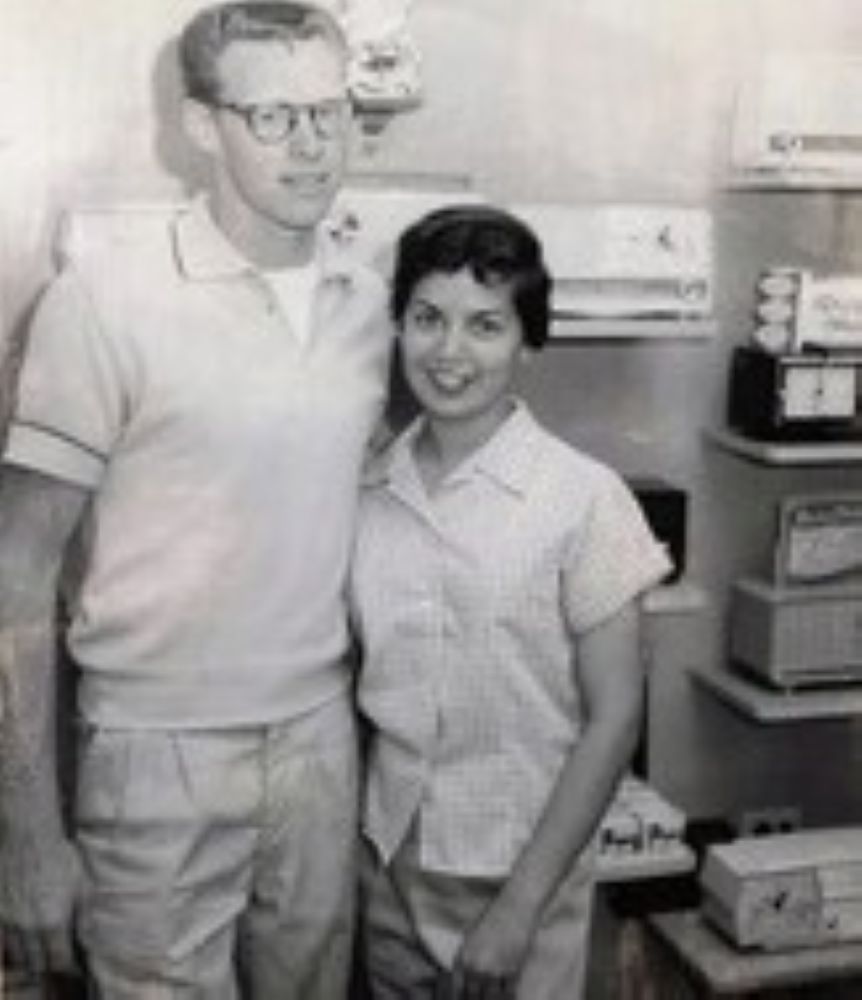
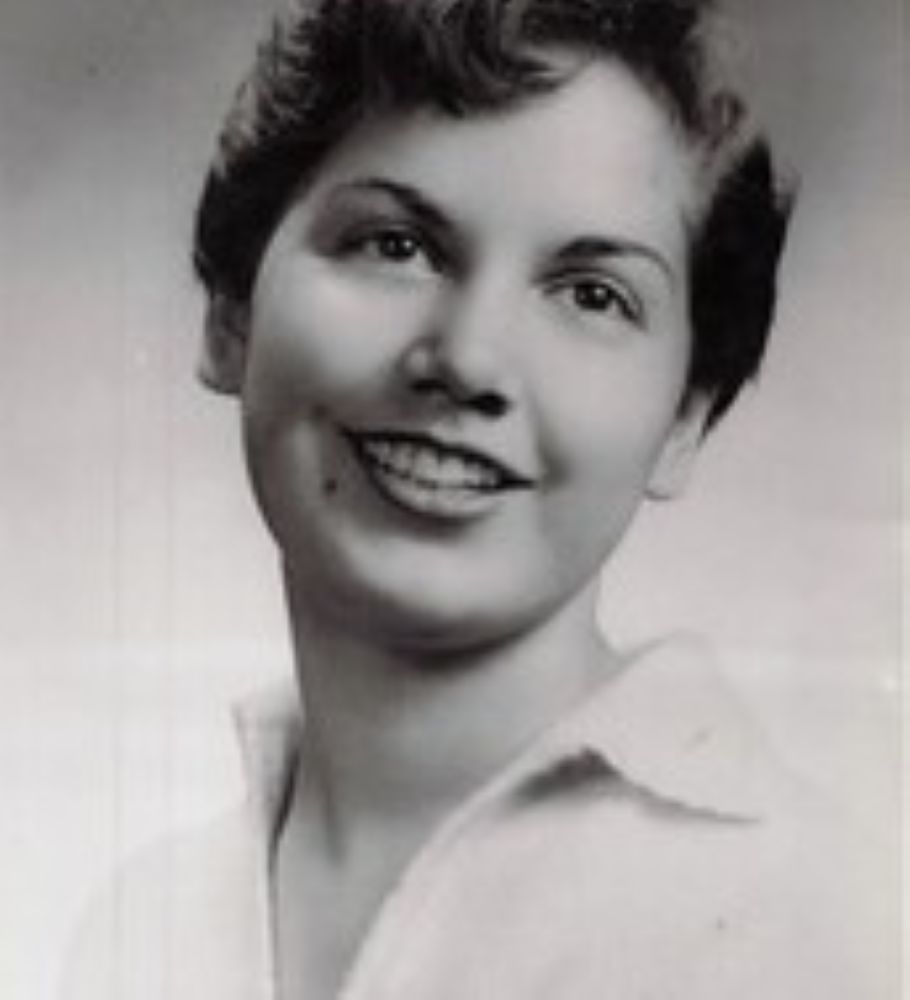
Before I tell you what happened at the end of my mother’s life, I want you to know who she was.
She was creative.
She was determined.
She was a disciplinarian.
She was a dreamer.
She was a mother raising two boys.
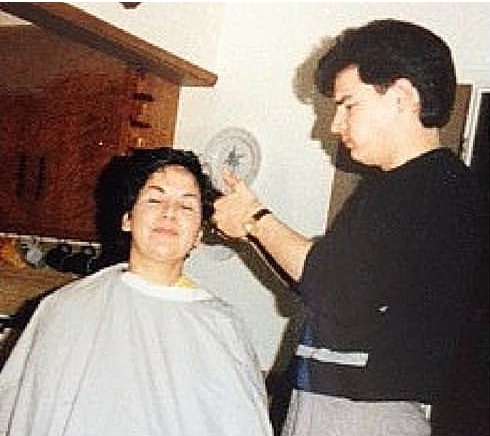
She came from a large Mexican American family and eventually built a life in Southern California.
Her creativity influenced mine.
Her determination influenced mine.
I can even see pieces of her stubbornness in myself—which I’m sure she would find enormously satisfying.
Her influence followed me into becoming a hairdresser, writer, performer, storyteller, and eventually the man sitting down years later to reconsider the entire story of our relationship.
But I don’t want to introduce you to a saint.
And I no longer want to introduce you to a villain.
I want you to meet my mom.




Connect with Us on Social Media




Our Parents Change After They’re Gone
One of the strangest things about losing a parent is that the relationship doesn’t necessarily stop changing.
The person is gone.
But your understanding of them continues.
New memories surface.
Old arguments lose their sharp edges.
Things you couldn’t forgive begin looking smaller.
Things you barely noticed become precious.
You hear their voice come out of your own mouth.
You catch yourself doing something exactly the way they did it.
And sometimes you realize that you’ve been having a conversation with them in your head for years.
In my case, that conversation became a podcast.
And then a book.
How I Killed My Mother is raw because I don’t think this story works any other way.
I have to tell you what I thought then.
I have to tell you what I think now.
And I have to admit when those two people disagree.
That’s the story.
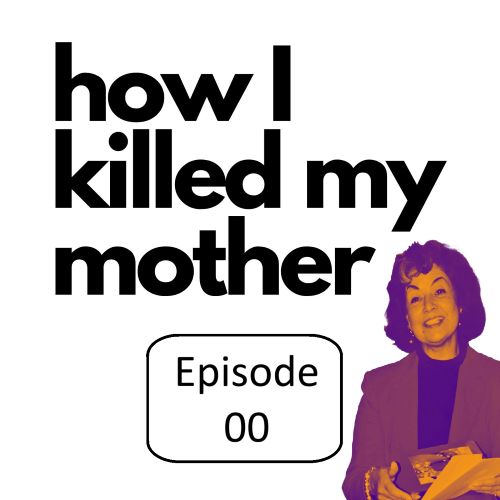
Listen to How I Killed My Mother
How I Killed My Mother is a memoir podcast about mothers and sons, complicated family relationships, forgiveness, humor, spirituality, caregiving, death, personal growth, and what happens when we revisit the stories we’ve been telling ourselves for years.
The podcast is also the foundation for my upcoming memoir, How I Killed My Mother.
If you’ve ever had a complicated relationship with your mother—or looked back at your childhood and discovered that the story isn’t quite as simple as you once believed—I think you’ll understand this journey.
Listen to the podcast.
Meet my mother.
And maybe, somewhere along the way, you’ll meet your own mother again, too.
“The people who shape us never really leave us.”
— Jon-David
0 Comments